





Finding the right pumps for viscous food products can be challenging. The best pumps for viscous food products are positive displacement pumps; sanitary lobe, peristaltic, twin screw, progressive cavity, and AODD diaphragm pumps. These pump types use mechanical action rather than suction to transfer thick, sticky products like honey, peanut butter, and purée, while meeting FDA, EHEDG, or 3-A hygiene standards.
Why is Pumping Thick, Sticky Foods Difficult?
Pumping highly viscous food products like honey, peanut butter, molasses, caramel, sauces, and purees pose unique challenges when it comes to pumping:
- High Viscosity: Thick foods flow slowly and require pumps with strong suction capabilities to ensure continuous flow
- Small Solids in Suspension: Ingredients like fruit purees, jams or sauces may contain chunks or seeds, which can clog certain pump types
- Sticky Nature: Many viscous products (like molasses and jam) are sticky, leading to issues with seals and mechanical parts sticking during standstill periods, causing leaks or wear when restarted
- Temperature Sensitivity: Some products, like chocolate syrup or honey, can become more viscous at lower temperatures, requiring heating systems to maintain fluidity
To understand more about fluid viscosities, here is a table of approximate viscosities of products at 25°C:
| Liquid | Viscosity (cPs) |
| Water | 1 |
| Olive Oil | 80-100 |
| Corn Syrup | 5000 |
| Honey | 20000-30000 |
| Chocolate Syrup | 10000-25000 |
What is the Importance of Hygiene in Food Processing?
When dealing with food products, maintaining hygiene is vital to ensure product safety and quality. All pumps used in food processing must comply with strict hygiene standards, such as being FDA-approved and designed for easy cleaning. Pumps with smooth internal surfaces prevent bacterial buildup, while Clean in Place (CIP) systems keep your equipment free of residue that could contaminate the next batch.
Hygienic certifications like FDA approval, EHEDG (European Hygienic Engineering & Design Group) certification, and 3-A Sanitary Standards ensure food-grade pumps and systems meet the highest sanitary standards. These certifications ensure pumps have smooth, crevice-free internal surfaces, preventing bacterial buildup and making cleaning easier through CIP (Clean in Place) procedures.
Our guide on the importance of using Sanitary Pumps for critical, high-risk applications covers everything you need to know to ensure the highest hygiene levels for your operation.
What are the Recommended Pumps for Viscous Food Products?
We offer a variety of pumps for viscous food products, each with features designed to handle different aspects of viscous, sticky ingredients. Here are our recommendations:
| Pump Type | Best For | Key Benefits |
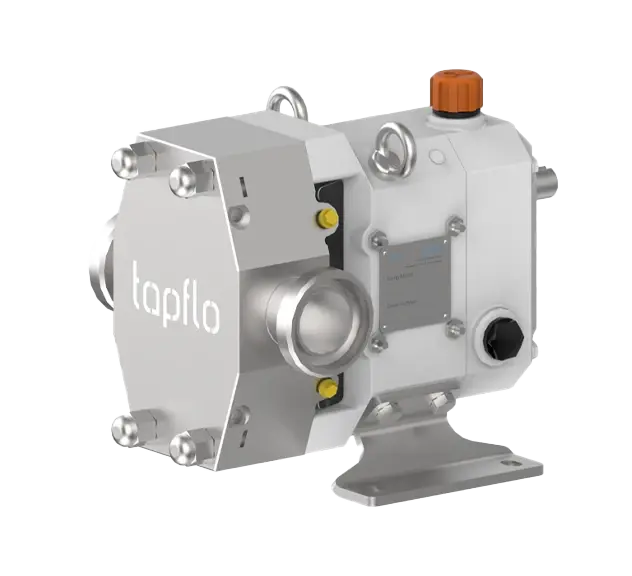
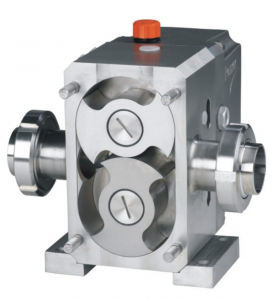
| Sanitary Lobe Pump | Thick, viscous fluids with small solids in suspension e.g jam with seeds | Smooth, near-pulseless flow. Resistant to abrasion from solids. |
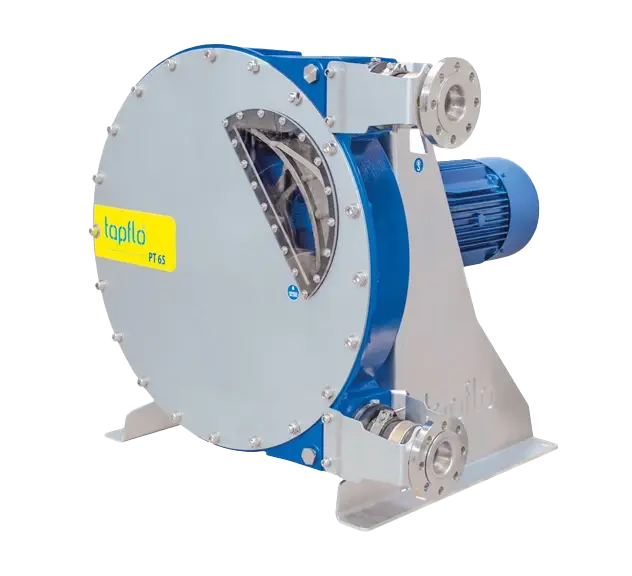
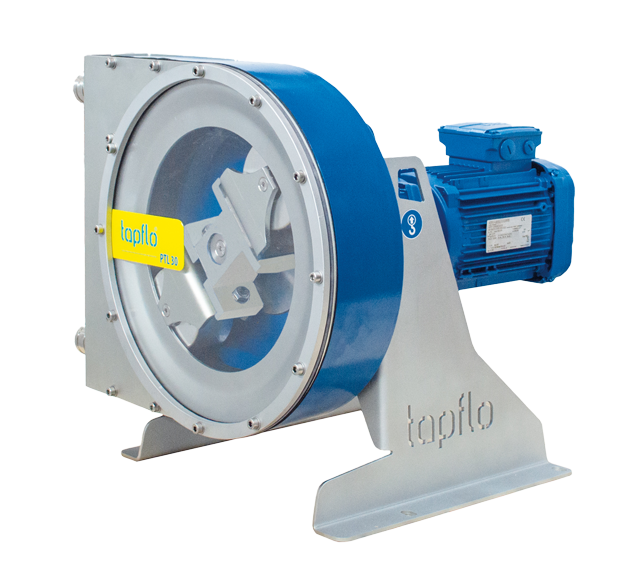
| Peristaltic Pumps | Molasses, peanut butter, chocolate syrup | Gentle pumping action and handles extremely viscous, sticky substances without clogging. |
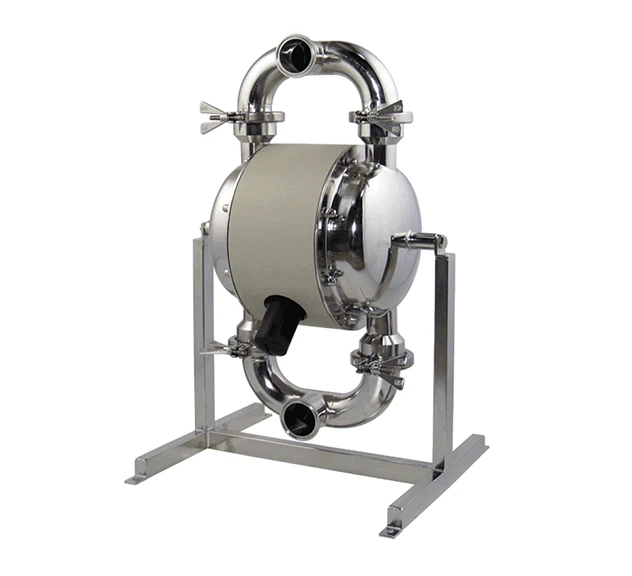
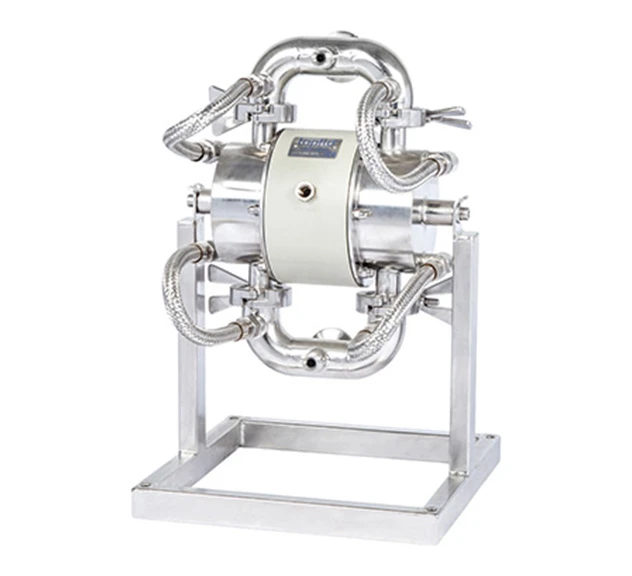
| Air Operated Double Diaphragm Pumps | Honey, syrups, sauces | Transfers thick, high-viscosity substances with minimal contamination risk |
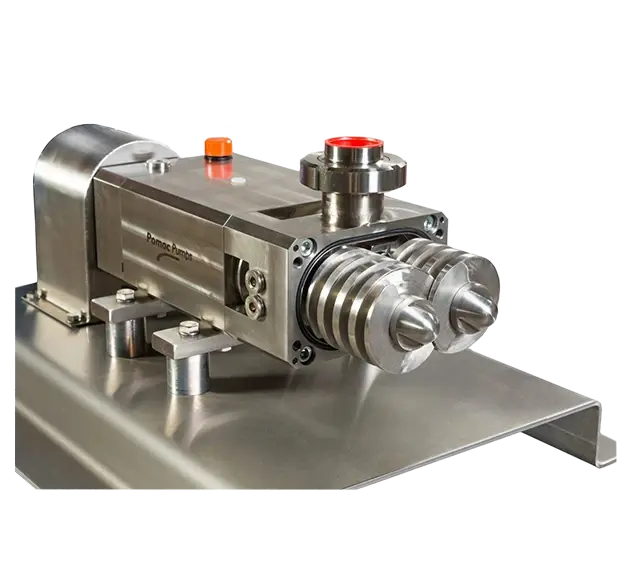
| Twin Screw Pumps | Buttercream, caramel, sauces | Excellent handling of thick liquids with solids |
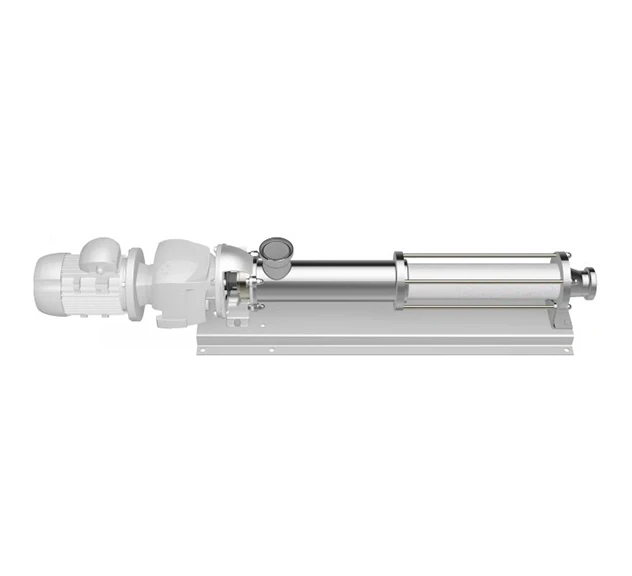
| Sanitary Progressive Cavity Pumps | Yoghurt, cream cheese, dough | Smooth, gentle and consistent flow over long distances without pulsation |
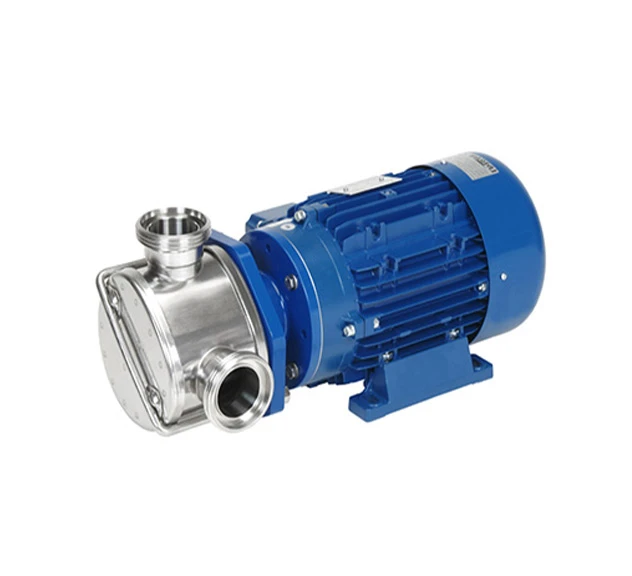
| Flexible Impeller Pumps | Less viscous sauces and syrups | Gentle handling and effective flow control |
A Tapflo UK Top Tip:
While Centrifugal Pumps excel in a range of Hygienic applications, they are not recommended for high-viscosity food products, as they are designed for low-viscosity fluids and may struggle with anything over 200 cPs. For applications requiring up to 5,000 cPs and more, such as peanut butter or molasses, Centrifugal Pumps can’t generate enough pressure or flow, leading to inefficiencies and potential clogging. For these reasons, Positive Displacement Pumps are a better fit for viscous food substances.
Systems & Accessories for High-Viscosity Food Products
We can personalise our pumps for viscous food products to meet your application requirements by adding accessories or integrating them into a system. These can include:
High Viscosity Systems (HVS):
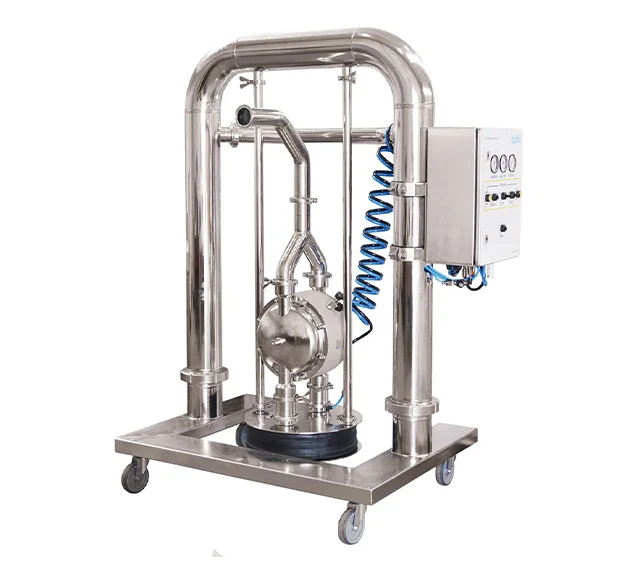
Our High Viscosity Drum Unloading Systems are designed to efficiently and hygienically remove thick, sticky products from drums. Each system removes up to 99% of product, ensuring minimal waste and reliable performance.
- HVS Drum Unloading Machine: Ideal for pastes like tomato puree, tahini, and resins, this system features a Sanitary Air-Operated Diaphragm Pump and accommodates solid particles up to 42mm. It offers an ATEX-rated option for hazardous environments and surface finishes up to Ra <0.5 for enhanced hygiene
- HVS Quattro Drum Unloading Machine: Designed for high-volume applications, this system unloads at 400 l/min and simplifies drum switching with an articulated arm. It’s ideal for operations handling multiple drums (up to 4 at a time) and can operate in both automatic and manual modes
- HVS Flexi Drum Unloading Machine: Best for low-to-moderate volume applications, this unit features a Hygienic Progressive Cavity Pump for liquids up to 100,000 cPs, making it perfect for precise unloading into filling or packing lines
Heating Jackets:
For products that become more viscous when cooled (like honey or caramel), heating jackets are a great solution to keep the product flowing without solidifying in the pump. These jackets circulate heated water around the pump’s wetted parts, ensuring consistent temperature and flow.
Flushed Mechanical Seals:
Well-suited to sticky and abrasive fluids, designed to reduce wear and keep the mechanical face seal clean.
How do I Avoid Clogging when Pumping Thick Foods?
Clogging is a common issue when pumping thick, sticky products like molasses, chocolate syrup, and mayonnaise. To avoid this, consider the following:
- Correct Pump Sizing: Ensuring your pump is correctly sized for both the viscosity and the presence of solids will help maintain smooth operation
- Heating Jackets: Using a pump with a heating jacket helps keep products warm and fluid, reducing the risk of solidification
- Flushing Systems: Pumps handling sticky substances may require regular flushing to prevent build-up and ensure smooth operation
What to Remember When Pumping Viscous Food Products
- Hygiene is Critical: All pumps MUST comply with strict food safety standards, ensuring easy cleanability and preventing contamination
- Viscosity Matters: High-viscosity food products require specialised pumps designed to handle thick, sticky ingredients
- Choose the Right Pump: We offer a wide range of pump types, including Sanitary Lobe Pumps, Peristaltic Pumps, AODD Pumps, and Twin Screw Pumps to name a few, each suited to different food products
When choosing a pump for viscous food products, there is no one-size-fits-all solution. The type of pump you need will depend on your specific product, the viscosity, the presence of solids, and the desired flow rate. In addition to Lobe, Peristaltic, and Twin Screw Pumps, we also offer Sanitary Diaphragm Pumps, Aseptic EHEDG Diaphragm Pumps, Hygienic Progressive Cavity Pumps, and Low/High-Pressure Peristaltic Pumps.
If you’re looking for a reliable solution for pumping viscous food products like honey, peanut butter, sauces, or chocolate syrup, contact our team today to find the perfect pump for your needs. We provide expert guidance to ensure that you select the best pump for your application, optimising both efficiency and product quality for the consumer.
FAQs
What is considered a highly viscous food product?
In pump engineering terms, viscosity is measured in centipoise (cP). Products above roughly 200 cPs are generally too thick for some pumps and require the correct positive displacement pump to transport the media instead.
What hygiene certifications should a pump for food products have?
Look for pumps with FDA-approved materials, EHEDG (European Hygienic Engineering & Design Group) certification, or 3-A Sanitary Standards compliance. These ensure smooth, crevice-free internal surfaces that prevent bacterial build-up.
How do you stop a pump clogging on sticky, thick food products?
Correct pump sizing for both viscosity and solids content, heating jackets to keep temperature-sensitive products fluid, and flushed mechanical seals or flushing systems to prevent build-up around moving parts.