BY TYPE
BY APPLICATION
BY BRAND







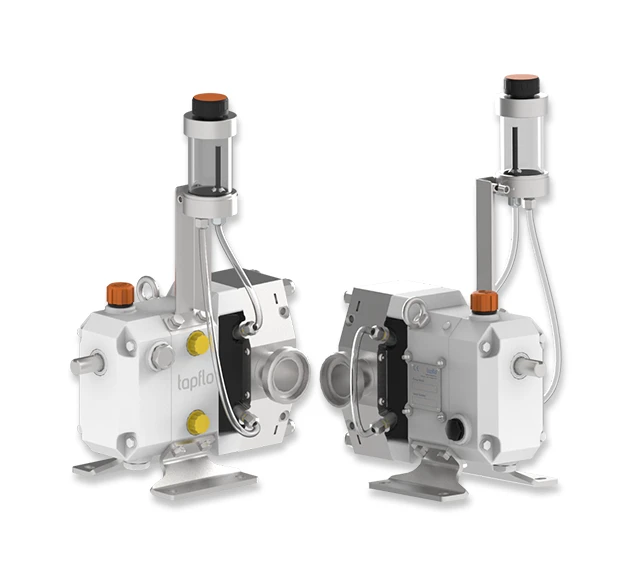
Flushing
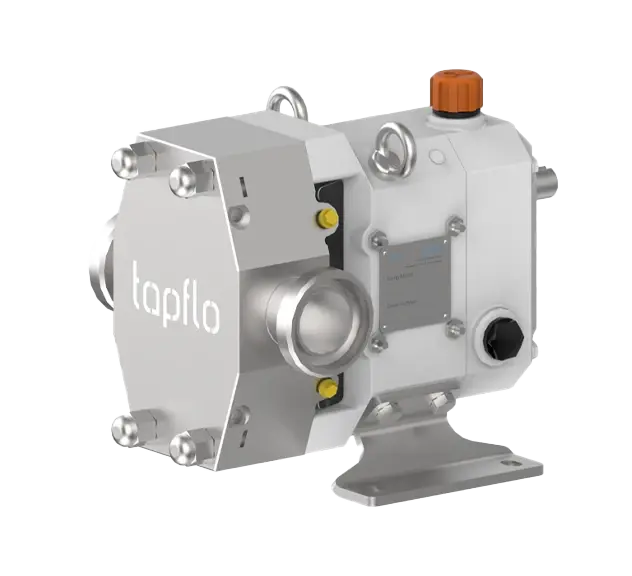
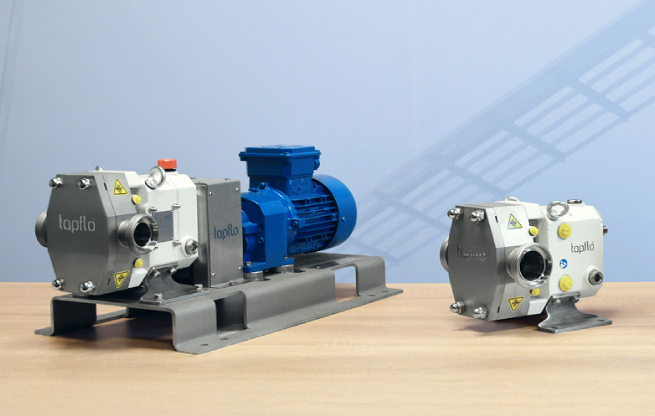
Our LPX Lobe Pump is a versatile, FDA-compliant positive-displacement pump designed for the hygienic processing industry. Unlike gear pumps, its lobes never physically touch, making it ideal for gently handling both low- and high-viscosity products with minimal shear forces.
Engineered for energy-efficient operation, the LPX uses a special rotor-shaft mounting that delivers accurate rotor positioning and a backlash-free connection. Components are precisely spaced so contact surfaces don’t touch, allowing for lubrication while accommodating thermal expansion. Its unique gear housing design eliminates any risk of cross-contamination between the pumped product and gear oils, ensuring clean, hygienic operation throughout.
Typical applications include:
| Spec | Maximum |
|---|---|
| Max Capacity | 1371 l/min |
| Max Pressure | 10 bar |
| Max Particle Size | 15mm |
| Max Temperature | 100°C |
| Max Speed | 1200rpm |
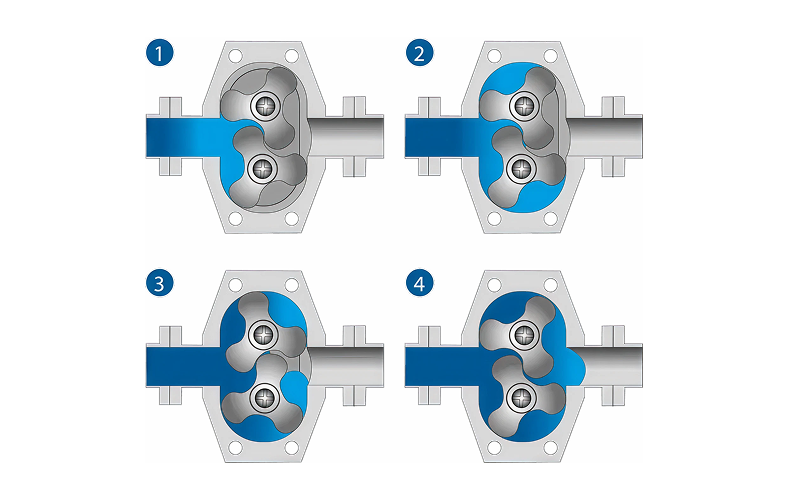
A lobe pump moves liquid by displacing a fixed volume from the suction side to the discharge side as the lobes rotate. The lobes are mounted on shafts seated on bearings within an external synchroniser. Inside the synchroniser, geared shafts transfer drive from the drive shaft to the intermediate shaft, timing the lobes so they never make contact during operation.
As the lobes rotate, they enlarge the space between them, creating a pressure drop on the suction side (fig. 1). This draws fluid into the pump body. The liquid is then carried around inside the casing (figs. 2 and 3) toward the discharge side (fig. 4). As the space between the lobes closes again, pressure builds on the discharge side, forcing the liquid out of the pump body.