BY TYPE
BY APPLICATION
BY BRAND






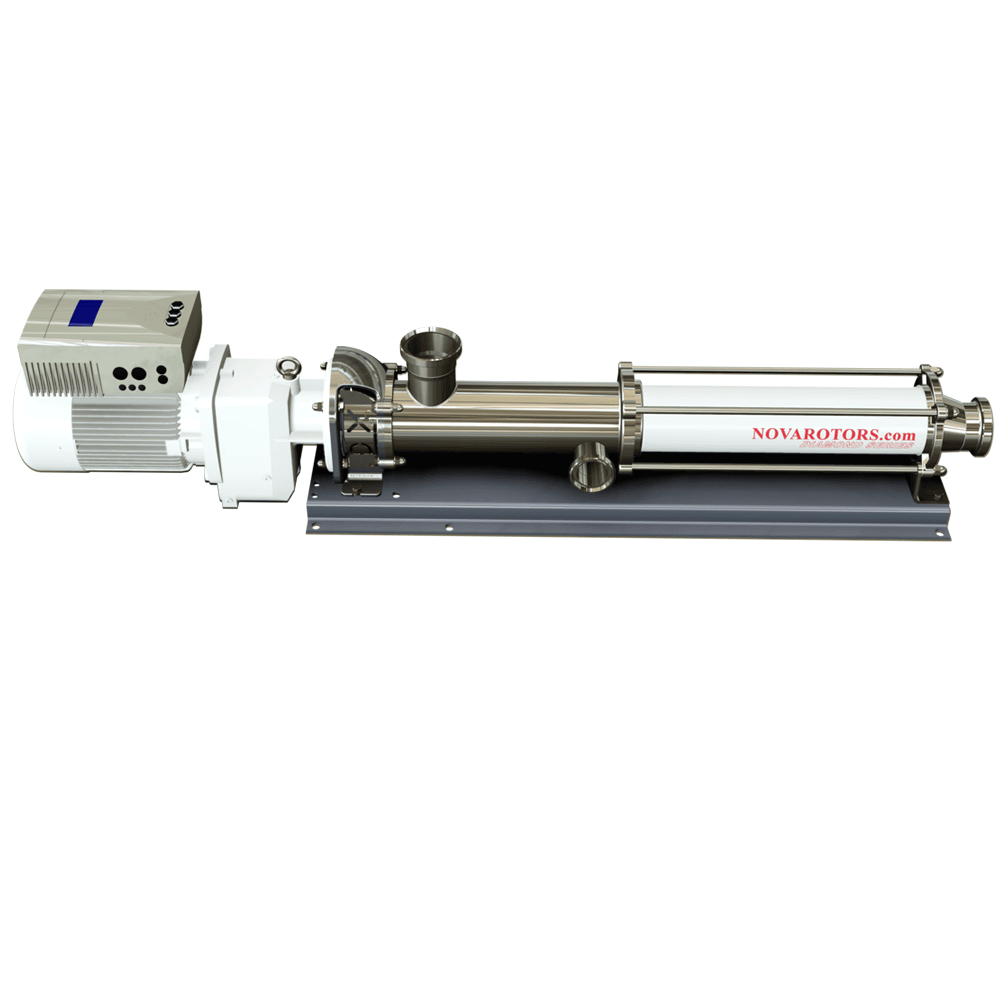
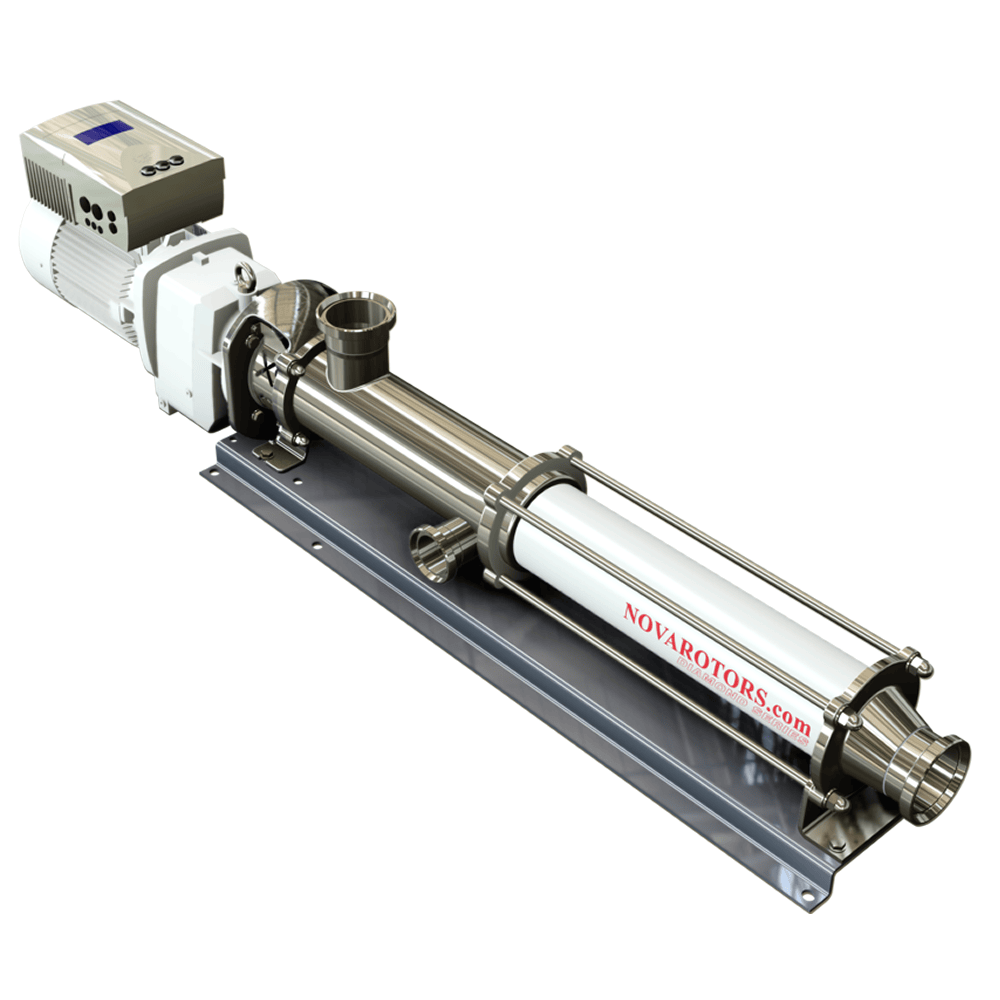
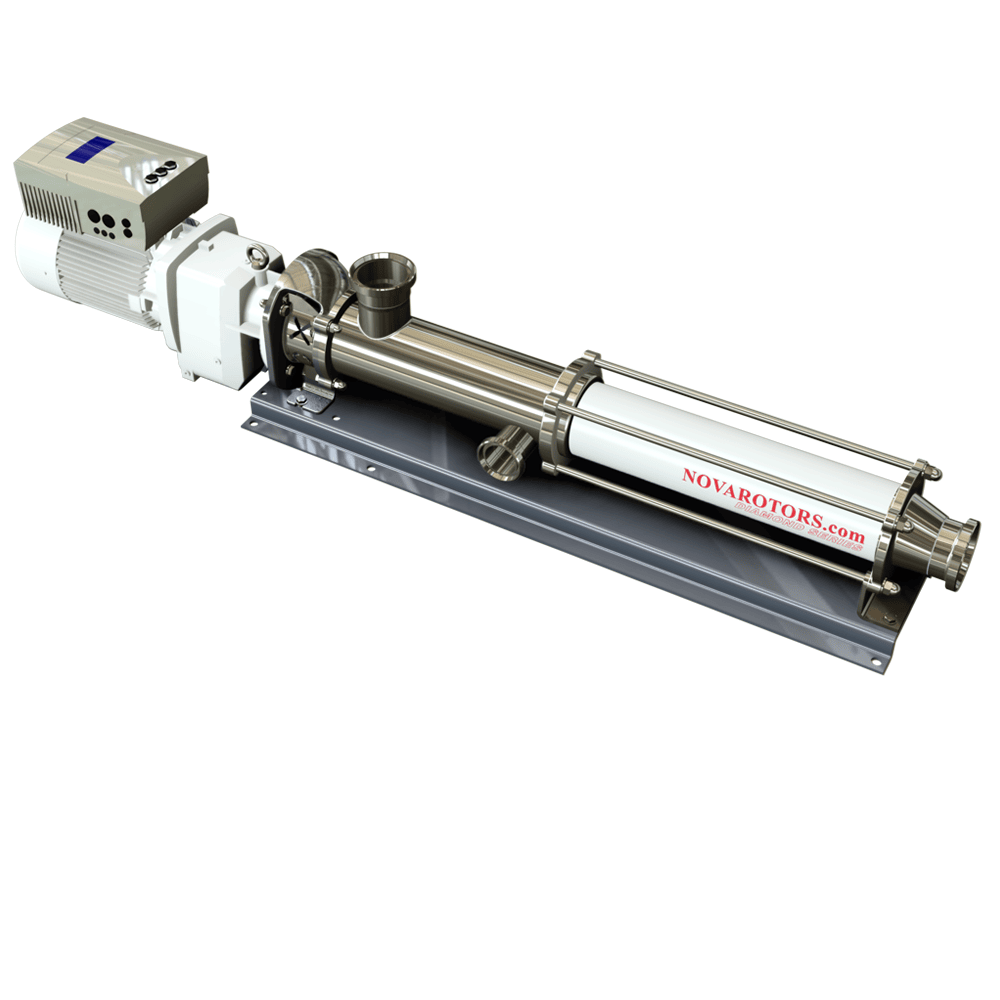
Official UK partner of Nova Rotors
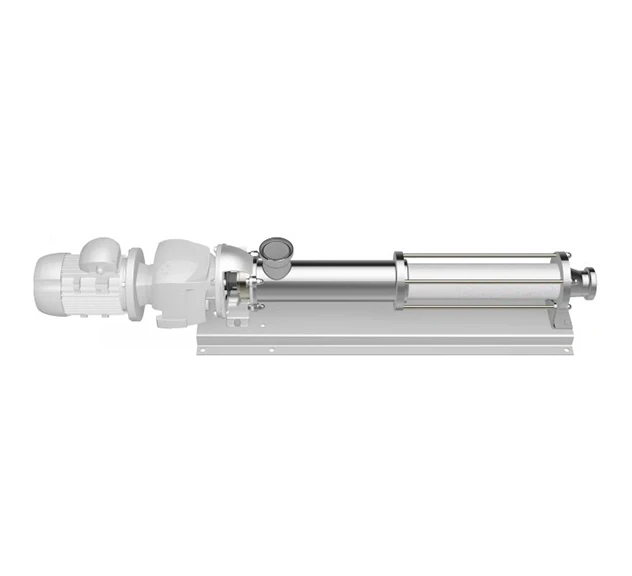
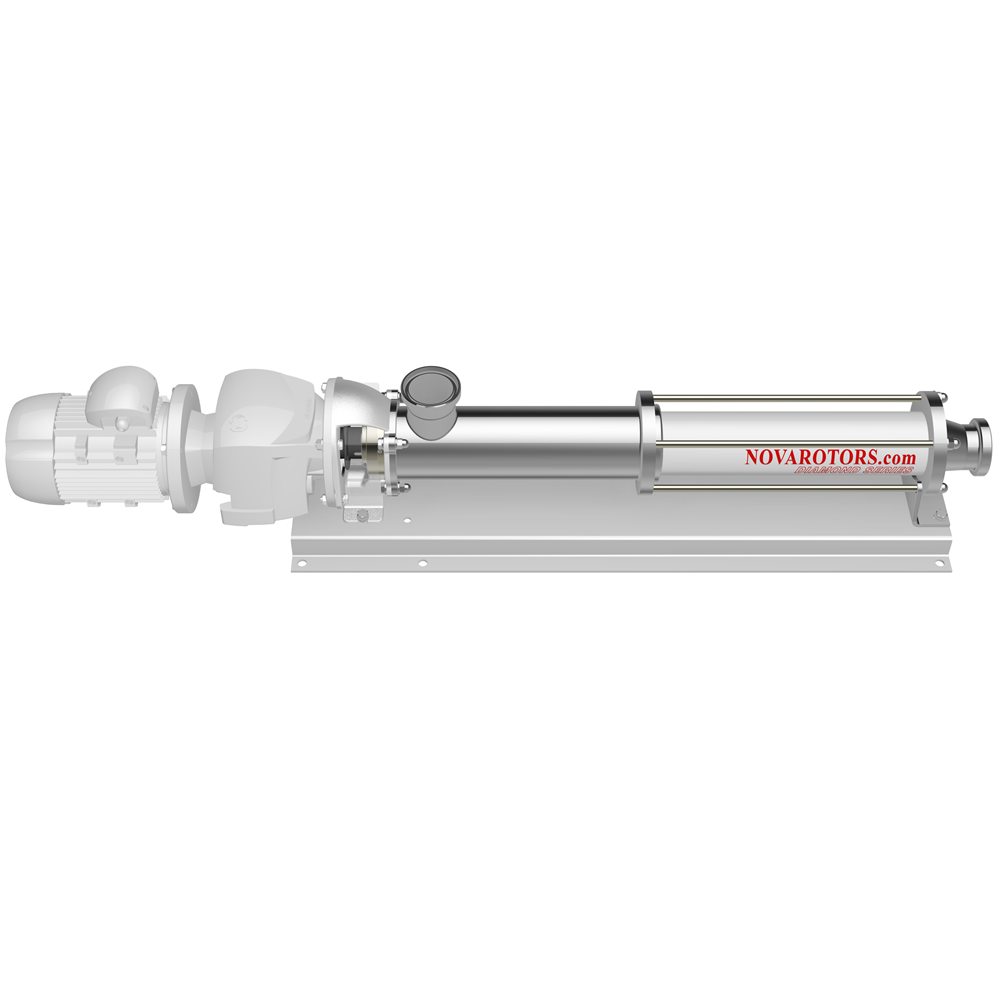
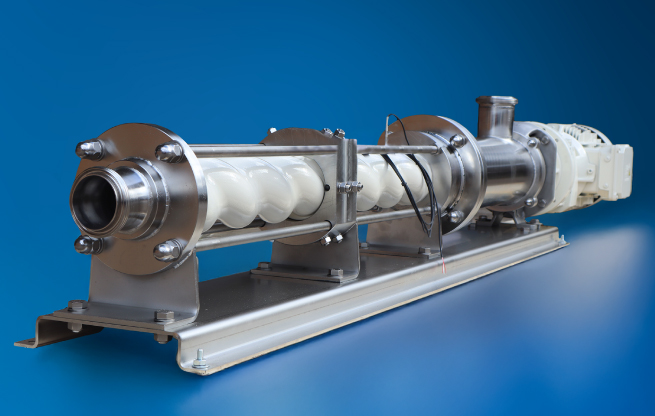
Our Hygienic Progressive Cavity Pump is the ultimate sanitary solution for industries that require superior cleanliness while ensuring product integrity is not compromised.
Part of the Diamond Series, the Hygienic range comprises the JX, JXC, JXO, DX, DXC and DXO models.
Featuring a stainless steel construction, the design facilitates drainage and eliminates dead zones for CIP & SIP functionality. These 3A- and EHEDG-certified pumps ensure optimal cleanliness and compliance with the strictest sanitary standards and are available in ATEX-compliant versions.
Typical applications include:
| Specifications | Desciption |
|---|---|
| Max Flow (m³/hr) | 110 |
| Max Pressure (bar) | 24 (48 on K8) |
| Max Temp (°C) | -40 up to 150 |
| Self Priming | Up to 7m |
| Connection Options | DIN 11851, Clamp ISO 2852, Clamp ASME-3A, Clamp DIN 32676, RJT, SMS 1145, Garolla, Macon |
The drive is flange-coupled directly to the pump, supporting hydraulic forces internally. It provides a compact, cost-effective solution with lower installation and maintenance costs.
The drive connects to the shaft inlet via a flexible coupling. Built from high-quality components, this modular system offers very high resistance against loads.
The drive connects directly to the pump, compatible with hydraulic and pneumatic motors. It delivers high performance, full reversibility, modularity, reliability, and easy maintenance.
It features the best sanitisation characteristics thanks to the design of the casing and the rotating parts completely free of dead zones and stagnation. The pin-type joint
has been suitably sized to guarantee long duration.
Completely free of dead zones and stagnation. Lubrication of the pin is independent of the pumped
product, therefore, it is also suitable for abrasive fluids.
Designed to meet EHEDG standards, the sanitary open-pin transmission improves cleanability during CIP cycles. It reduces cleaning agent use by up to 35%, lowers flow rates and component stress, especially on the stator, resulting in lower operating costs and longer component life.
With Hopper and Auger Feed Screw, it is ideal for highly viscous, non-flowing products with up to 18% dry solids. Designed to EHEDG and 3A standards, it ensures maximum hygiene, efficient CIP/SIP cleaning, full drainage, and elimination of dead zones. All contact parts are manufactured in stainless steel.
Supplying a custom Progressive Cavity unit for challenging offshore fluids.
How Progressive Cavity Pumps work, what applications they are suited for and the key features.
Taking manual work away from the agriculture sector with a Hopper Pump for egg shells.
Characterised by a modular design covering numerous models and sizes, enabling capacities up to 110 m³/hr and discharge pressures up to 48 Bar.
A Progressive and a Progressing Cavity Pump are the same thing; they can be called either name interchangeably.
Screw pumps usually refer to two-rotor or three-rotor designs and differ from progressive cavity pumps in both construction and application.
Manufactured entirely from metal components, screw pumps are generally used for handling clean, non-abrasive, lubricating fluids.
They are capable of operating at significantly higher discharge pressures than progressive cavity pumps and commonly run at direct motor speeds, making them well suited to demanding industrial applications.