lead forensics image

Air Operated Diaphragm Pumps

Built with 70% fewer components than comparable AOD pumps, our Diaphragm Pumps self-prime up to 9m, handle corrosive, abrasive, & high viscosity fluids with ease, and feature no-nut, clean face diaphragms tested for 80 million+ lifecycles.

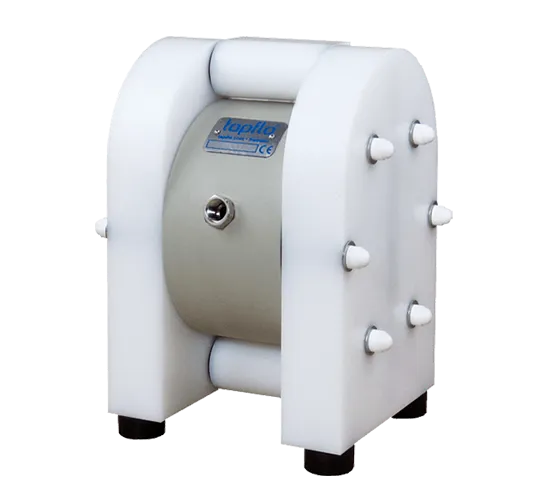
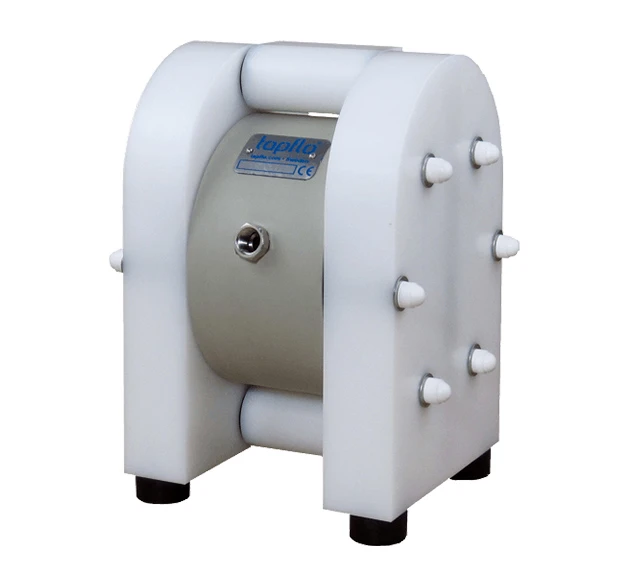
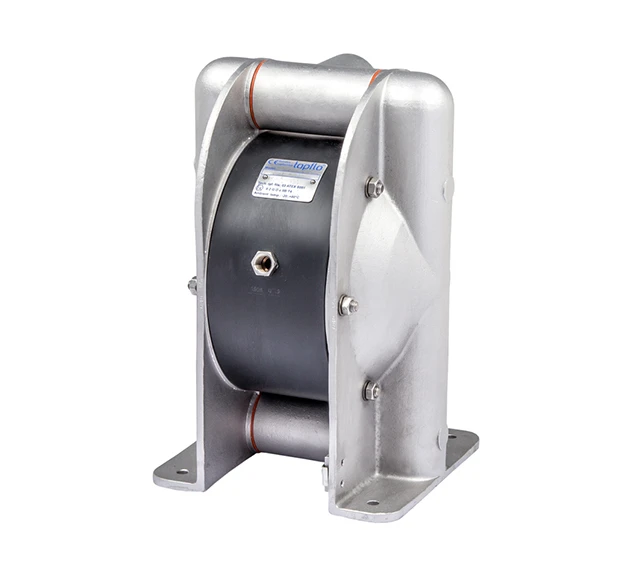
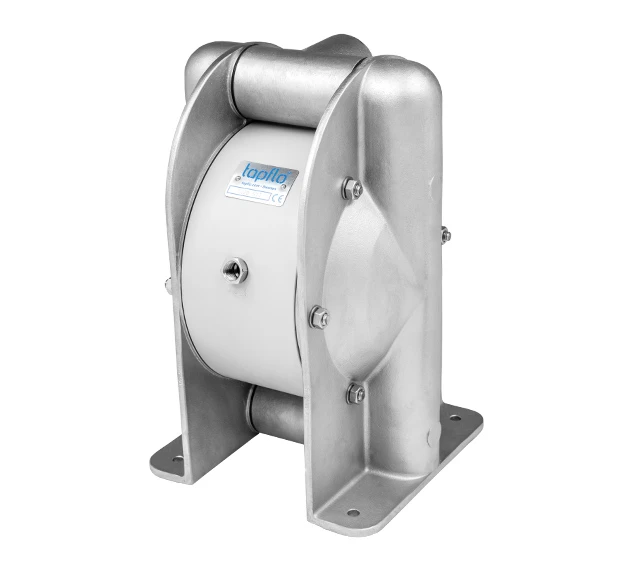
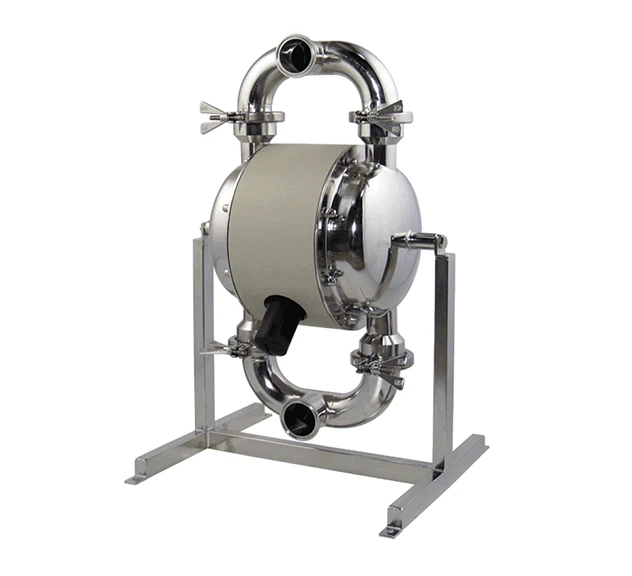
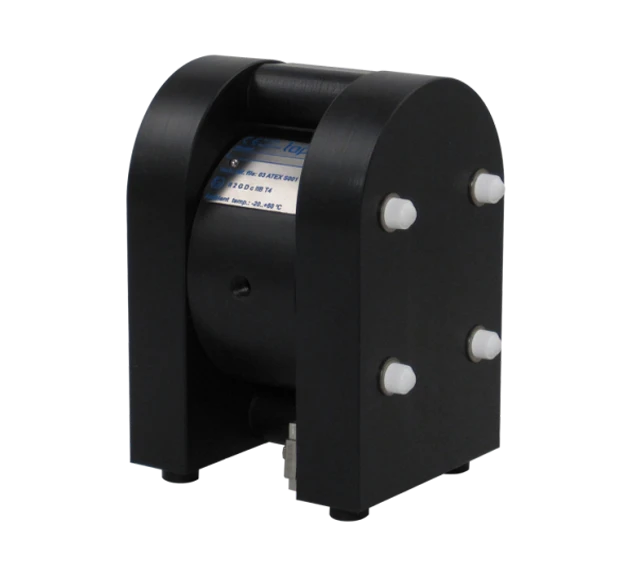
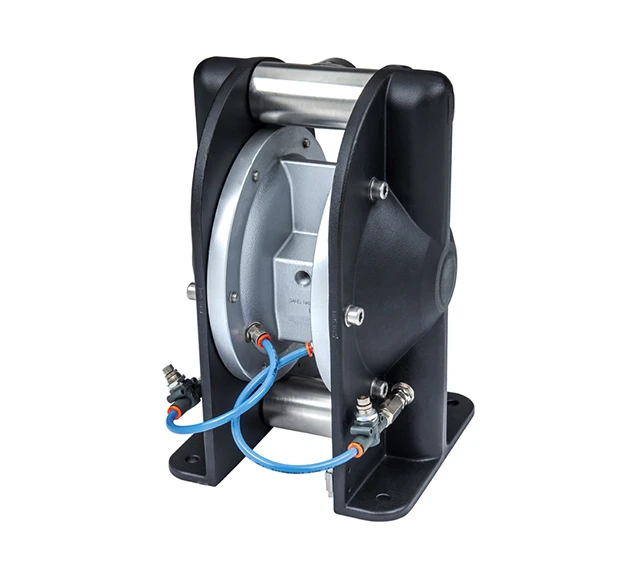
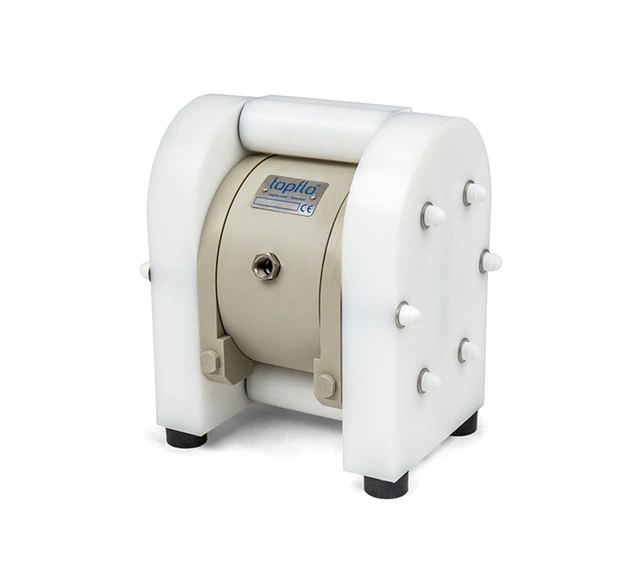
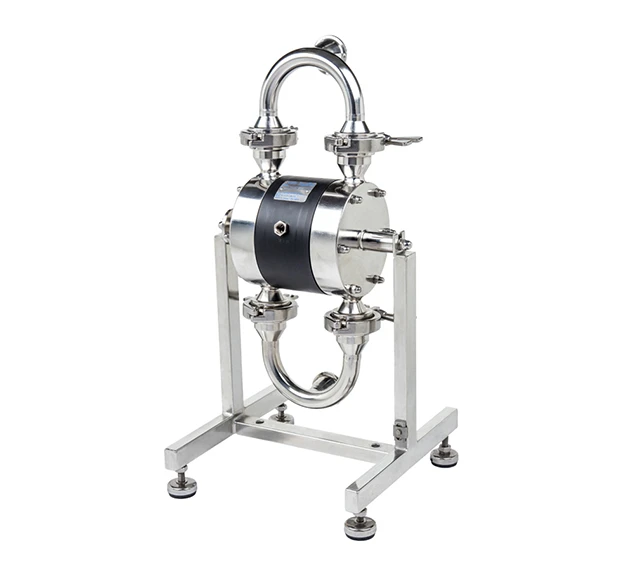
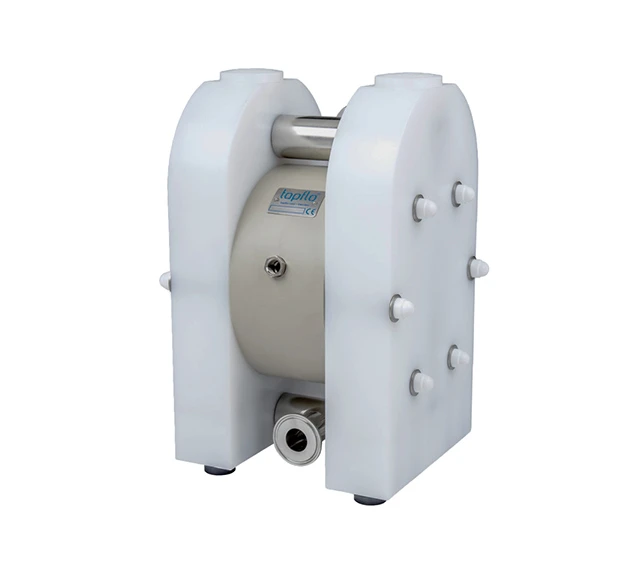
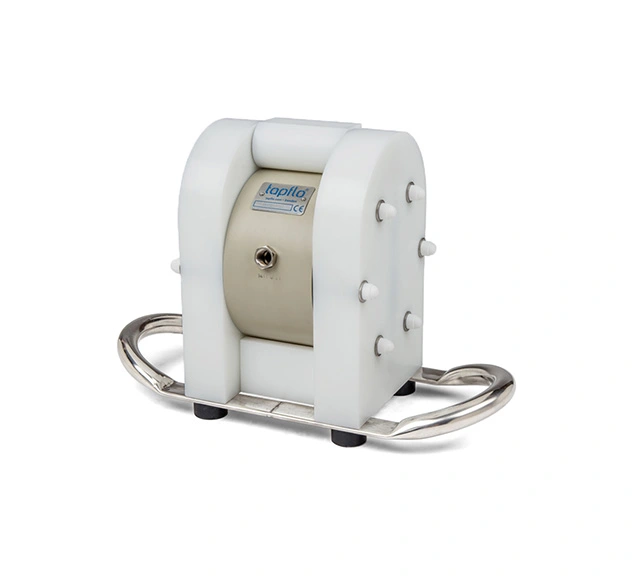
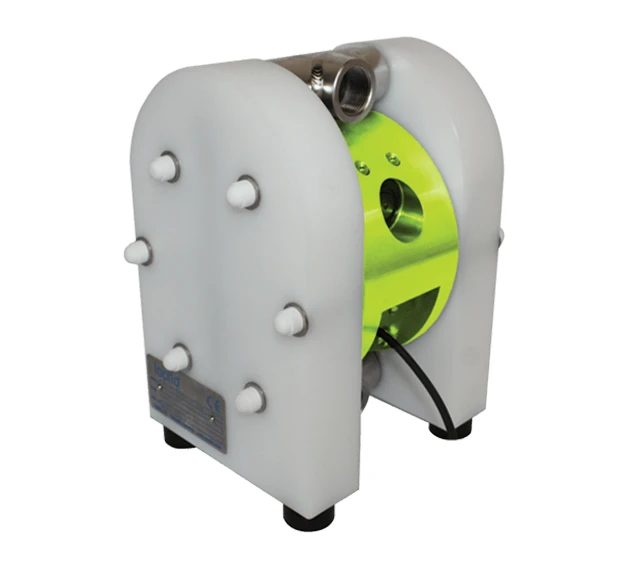
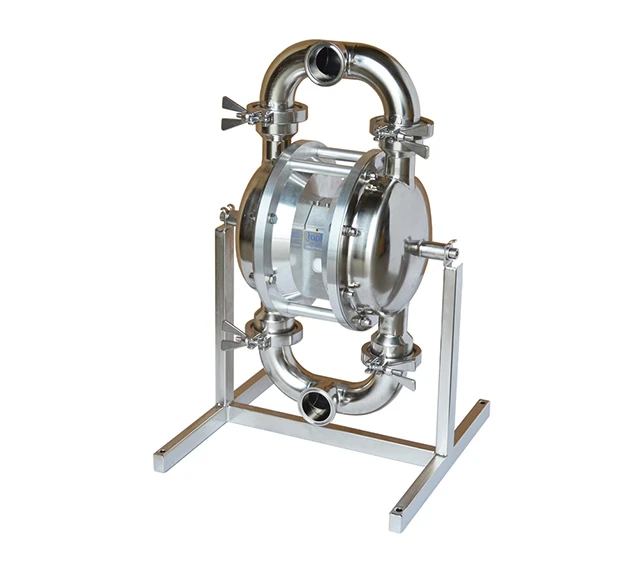
A Tapflo Air operated diaphragm pump
see more information
A Tapflo Air operated diaphragm pump

filter

Results 1-12 of 17
  • 1
  • 2
Results 1-12 of 17

Features & Advantages of Diaphragm Pumps

  • Self-Priming up to 9m – Ideal where liquid source isn’t immediately accessible
  • Robust and Versatile – Can handle corrosive, abrasive and viscous fluids in a number of applications
  • 70% fewer parts than other AOD’s – Easy to clean and maintain
  • Leak Free Operation – No nut, clean face diaphragms ensure a vacuum during the intake and no leaks
  • Energy Efficient – Use compressed air or minimal power to move diaphragms leading to lower operational costs
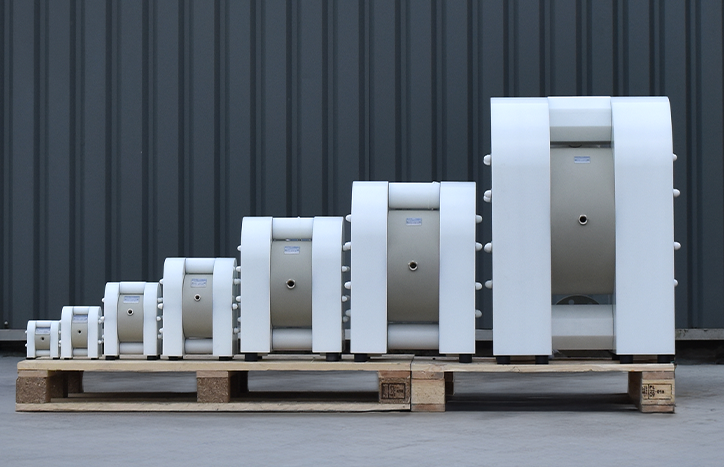
Different sized Diaphragm Pumps lined up on a row on palettes

Learn more about Diaphragm Pumps

What is a Diaphragm Pump?

What are the advantages of Diaphragm Pumps?

What are the common industries and applications of Diaphragm Pumps?

Are Diaphragm Pumps self priming?

Can Diaphragms run dry?

What to consider when selecting a Diaphragm pump

What materials are used in Diaphragm Pumps?

What is the difference between a Diaphragm Pump and a Centrifugal Pump?

What maintenance may be required to keep the Diaphragm running?

View more

What is a Diaphragm Pump?

Diaphragm Pumps, one of the most commonly used pump types on the market today, are Positive Displacement Pumps that use two sets of internal diaphragms, constructed from PTFE or rubber, that work simultaneously to create pressure to push fluid through the pump.

What are the advantages of Diaphragm Pumps?

All Tapflo Diaphragm Pumps use no-nut, clean-face diaphragms to ensure that no liquid can penetrate the diaphragm and are built with 70% fewer parts than other AODs on the market today. Some key benefits of using Diaphragm Pumps are:


  • Self-priming capabilities, eliminating the need for external priming
  • Handles corrosive, abrasive, viscous, and shear-sensitive materials
  • No seals or glands, reducing the risk of wear and tear on common working components
  • Can operate under dry-run conditions without damage
  • Handles fluids containing solids or particles
  • Steady and pulse-free flow
  • Safe for hygienic applications
  • Leak-free operation
  • Explosion-proof options
  • Air-driven and electrically driven options available
  • CIP and SIP executions available

What are the common industries and applications of Diaphragm Pumps?

Common industries and applications of Diaphragm Pumps are:


  • Chemical
  • Surface treatment
  • Water treatment
  • Pulp & Paper
  • Hygienic
  • Food & Beverage
  • Mechanical
  • Print, Paint & Varnish

Are Diaphragm Pumps self priming?

Yes, Diaphragm Pumps are self-priming. This means they can eliminate air from the pump and suction line, creating a vacuum that draws in fluid. This is advantageous when the pump is located above the fluid source or the supply may not be consistent.

Can Diaphragms run dry?

Yes, most diaphragm pumps can run dry, which means they can operate momentarily without the presence of liquid through the pump.

What to consider when selecting a Diaphragm pump

When choosing a Diaphragm Pump for your application you must consider:


  • What media will be pumped? Consider the chemical composition of the media you will be pumping – is it chemically neutral or corrosive, shear sensitive etc.
  • What is the viscosity of the media you intend to pump? Consider viscosity limitations, shear sensitivity etc.
  • Do you need to pump fluids containing solids?
  • Is your environment or fluid explosive?
  • Do you require self-priming?
  • What flow rate and head does your application require?
  • Do you require CIP/SIP?
  • Will your pump be stationary or do you need it to be portable?
  • What size pump do you require?
  • Will your require additional accessories for your pump? e.g pulsation dampeners

What materials are used in Diaphragm Pumps?

Diaphragm Pumps commonly use:


  • HDPE and PTFE: HDPE offers a superior wear resistance which is 6 – 7 times stronger than polypropylene (PP), offering greater mechanical strength. Polypropylene is a standard material used by most Diaphragm Pump manufacturers and often weakens over time when used with aggressive applications, which is why Tapflo offer HDPE. PTFE is a thermoplastic polymer which can handle the most aggressive chemicals, with a max liquid temperature of 100°C.
  • Aluminium, Cast Iron, Stainless Steel: Our metals are best for viscous, chemically aggressive fluids & fluids containing coarse solids.
  • Sanitary: Our sanitary range offers FDA and EHEDG-approved materials suitable for all fluids that are meant for consumption and cosmetics.

What is the difference between a Diaphragm Pump and a Centrifugal Pump?

A Diaphragm Pump uses a flexible diaphragm to create a suction and discharge of fluids and is suitable for viscous and shear-sensitive fluids. Centrifugal pumps contain a rotating impeller that generates kinetic energy to move fluid through the pump. They are suitable for low-viscosity fluids and high-flow-rate applications.

What maintenance may be required to keep the Diaphragm running?

To keep the diaphragm in good, working order, you will need to conduct maintenance to ensure it continues working in perfect order. These include:

  • Visual inspections of the pump components
  • Tighten the pump’s nut and bolts to the specified torque
  • Monitor and clean the air filter regularly
  • Keep air exhaust muffler clean of any debris
  • Inspect diaphragms, ball valves and seats for wear or damage
  • Regularly inspect suction and discharge pipework
  • Monitor suction and discharge pressure gauges
  • Consider maintenance intervals
View more