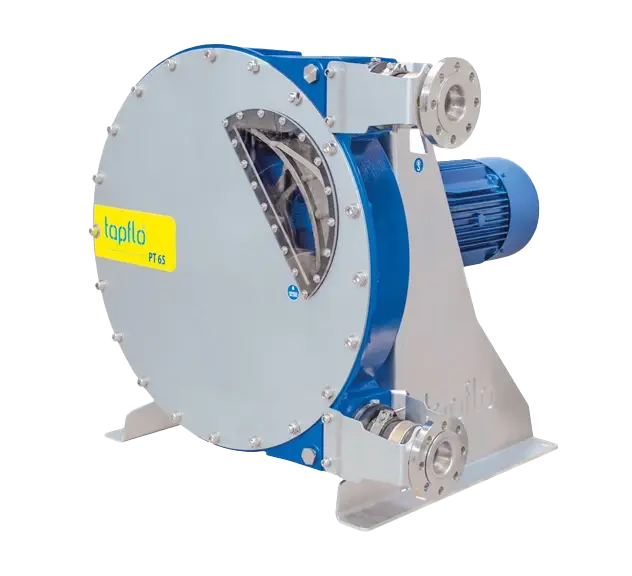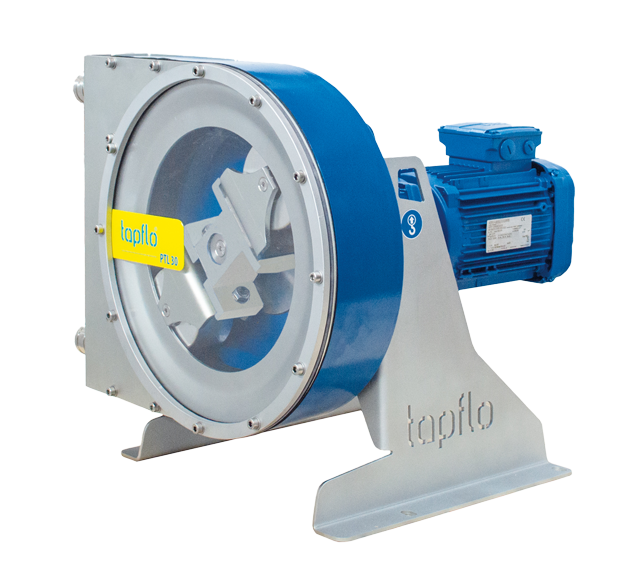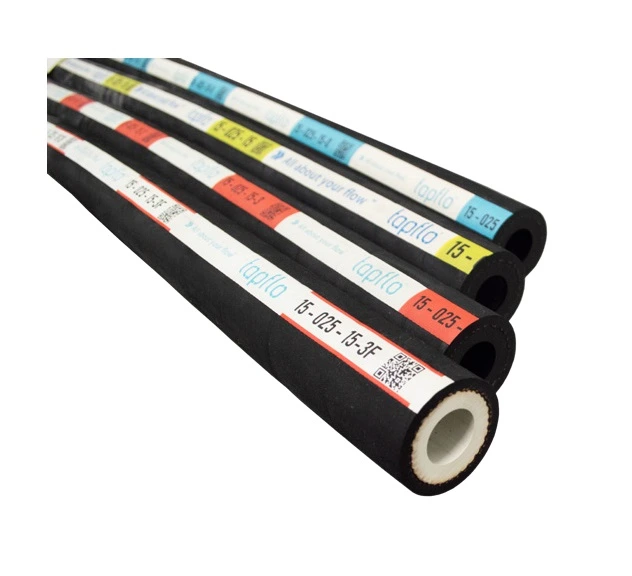







With a Peristaltic Pump, the fluid only ever touches the inside of the hose. This sealless design is a key reason why Peristaltic (or Hose) Pumps have become the go-to choice for aggressive, corrosive, and otherwise challenging chemicals across process industries.
Peristaltic Pumps can safely transfer chemicals ranging from dilute acids and alkalis to aggressive media like sodium hypochlorite and concentrated sulphuric acid, provided the hose material matches the chemical being pumped.
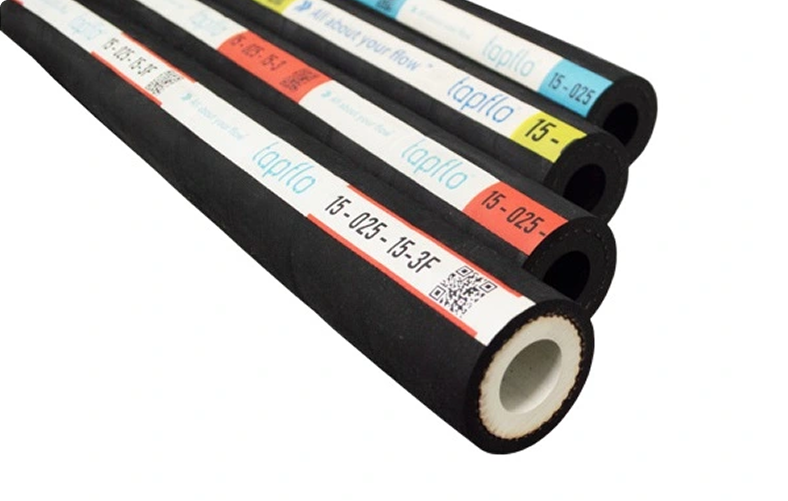
Best Hose Materials for Chemicals
Peristaltic pumps are ideal for handling chemicals because of their design, but selecting the right hose material is important to ensure the longevity of the hose and pump.
| Hose Material | Colour | Chemical Resistance | Chemical examples | Typical Use |
| NR-Natural Rubber | Yellow | High abrasion resistance | Diluted Acids, Alkalis, Sulphates, Ethanol, Glycols | General use, transfer, abrasive slurries |
| NR-Natural Rubber (FDA approved) | Yellow w/ white stripe | High abrasion resistance. Approved for hygienic applications | Non-oily food and beverage products (water-based items, certain dairy, juices, etc) | Food & Beverage, Pharmaceutical & Cosmetics, Paint, Pulp and Paper |
| EPDM | Blue | High chemical resistance | Allyl Bromide, Ammonia, Acetaldehyde, CIP fluids | General Chemical Processing and Dosing |
| EPDM (FDA approved) | Blue w/ white stripe | Approved for hygienic applications | Inorganic media, hot fluids, and water mixed with medium-concentration acidic/alkaline substances such as CIP (clean-in-place) solutions. | Food & Beverage, Pharmaceutical & Cosmetics, |
| Hypalon/ Synthetic Rubber (CSM) | Orange | Fair to good resistance to sodium hypochlorite, chromic acid, nitric acid and sulfuric acid | Sodium Hypochlorite, Hydrogen Peroxide, Chromic acid (<50%), Sulphuric acid, Nitric acid (<25%) | Aggressive oxidising chemicals |
| NBR | Red | Oils, fats, greases, fuels, petroleum-based products, oily wastewater/sludge, detergents, alkalis | Mild chemicals, less suitable for strong oxidising acids, hypochlorite or aromatic/chlorinated solvents | Oils, greases, fuels (moderate), hydraulic fluids (mineral-based), animal and vegetable fats/oils |
| NBR (FDA Approved) | Red w/ white stripe | Approved for hygienic applications | Dairy, edible, oils etc | Dairy, edible oils. Food & Beverage, Pharmaceutical & Cosmetics |
Chemical resistance always depends on concentration, temperature and duty cycle; some acids differ as strength or temperature increases. Take this as a rough guide; read manuals or contact us for specific chemical compatibility and hose life.
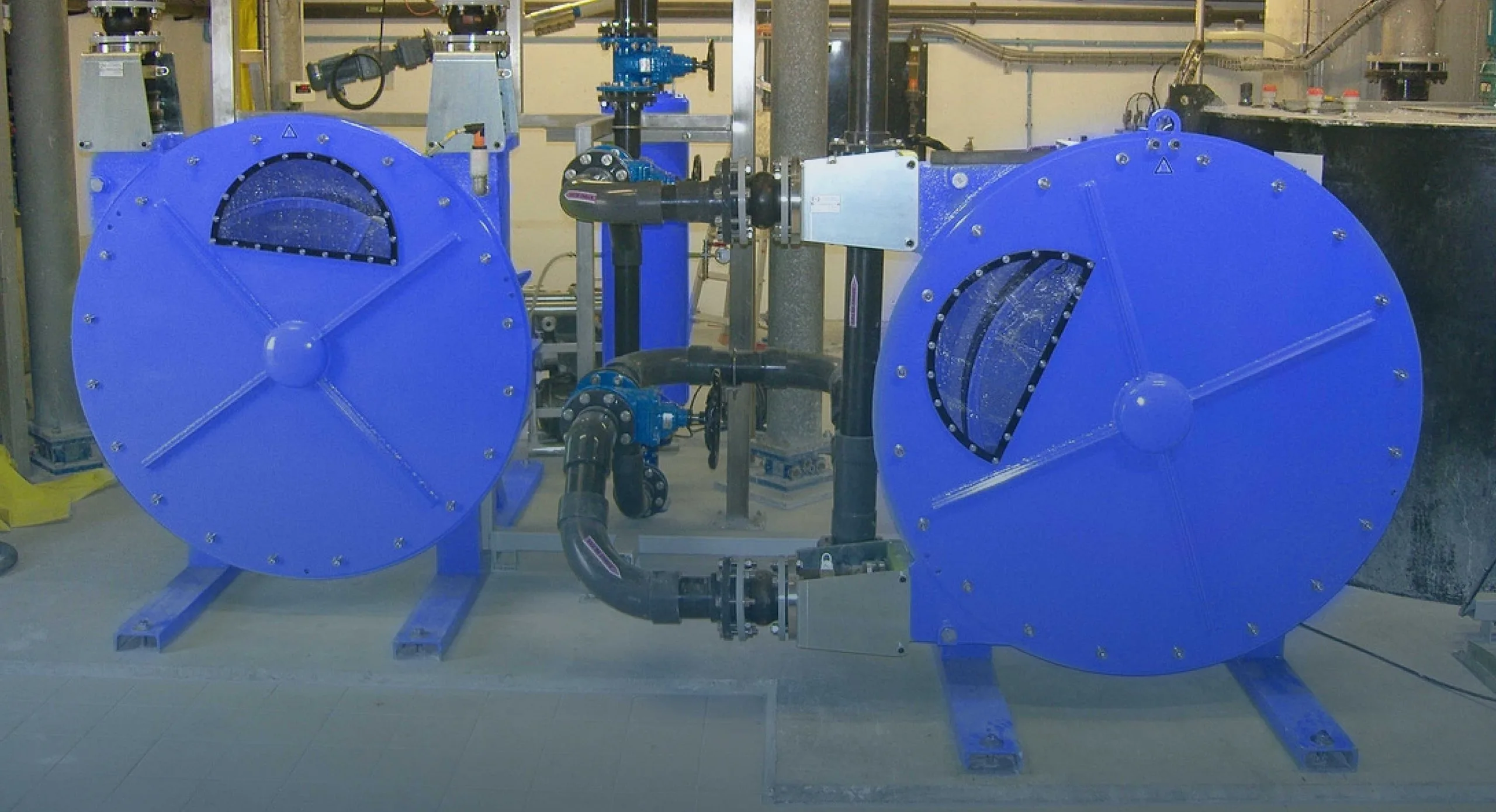
Tapflo’s Peristaltic Range for Chemicals
PT High Pressure Peristaltic (Shoe Design)
Best suited for transferring abrasive, corrosive, or solids-laden chemicals. The PXT is the ATEX-rated variant for this pump.
PTL Low Pressure Peristaltic (Roller Design)
Best suited for metering, dosing and lower-pressure chemical transfer, hygienic and food-grade duties. The PXTL model is the ATEX-rated variant for this pump.
Learn more about the differences in the Peristaltic models to see how the different designs work.
Choosing the Right Chemical Pump
Peristaltic Pumps‘ sealless design makes them a natural fit for corrosive, aggressive and hard-to-handle chemicals, but getting the right result comes down to matching the hose material to the chemical and picking the right model for the job.
For high-pressure, abrasive or solids-laden transfer, the PT (or ATEX-rated PXT) is the better choice; for metering, dosing or hygienic duties, the PTL (or PXTL) is an ideal pump. If you’re unsure which hose or model suits your application, contact us today, and we’ll help you find the right fit.
Are you deciding between a Peristaltic Pump and a Diaphragm Pump or a Progressive Cavity Pump? Read our guides on the differences between the two pumps:
FAQs
Can a Peristaltic Pump handle strong acids and alkalis?
Yes, the Peristaltic pump’s most common application is chemical transfer. Because no metal casing, seal, or bearing contacts the chemicals, choosing the right hose material is important.
What’s the best hose material for aggressive chemicals?
It depends on the specific chemical and concentration. EPDM and Hypalon/Synthetic Rubber for oxidising chemicals like sodium hypochlorite and concentrated acids and NR for abrasive slurries and milder chemistry.
To learn more about Peristaltic Hoses, read our article on compatibility, hose life and maintenance.
What happens if the hose fails while pumping a hazardous chemical?
The fluid stays contained within the pump casing rather than escaping into the environment, and a hose rupture/leak detection sensor can shut the pump down automatically.
Are peristaltic pumps available for hazardous (ATEX) environments?
Can the same peristaltic pump be used for more than one chemical?
Always check for cross-contamination between chemicals before doing so. Ideally, use one pump per chemical (or thoroughly flush/clean between changeovers), since the hose is the only wetted part but will retain some residue.