lead forensics image

Hygienic Pumps for Food & Beverage

Our Hygienic Pumps for Food & Beverage transfer shear-sensitive products and those intended for human consumption.
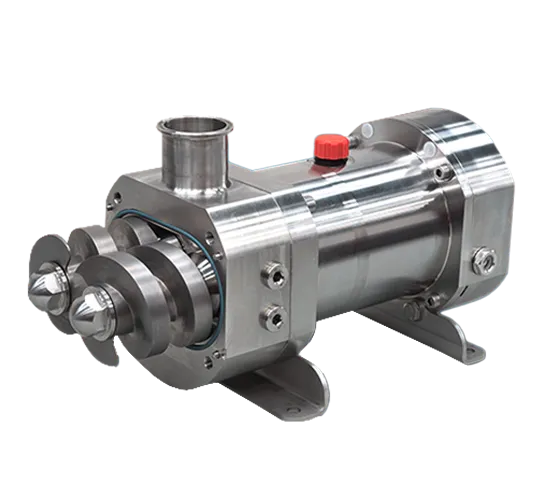

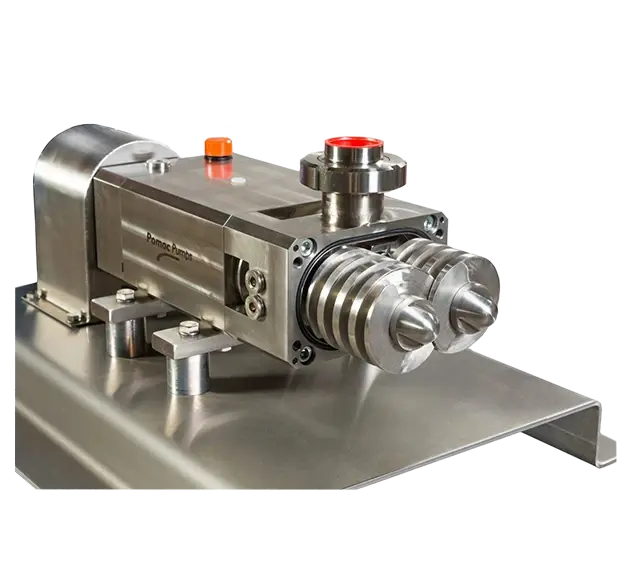
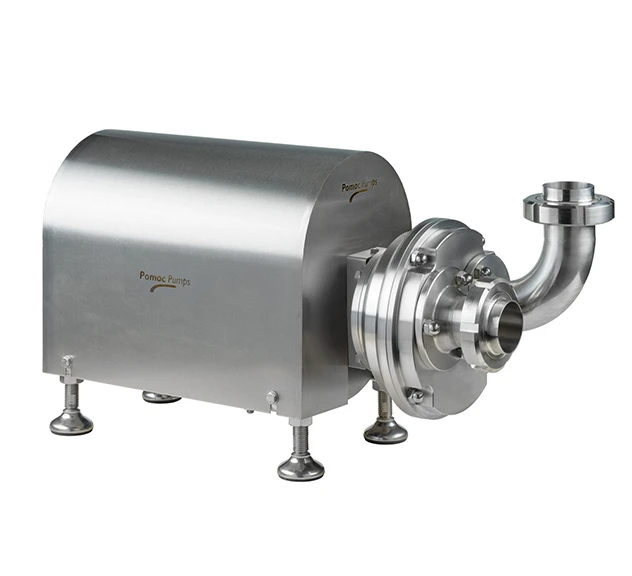
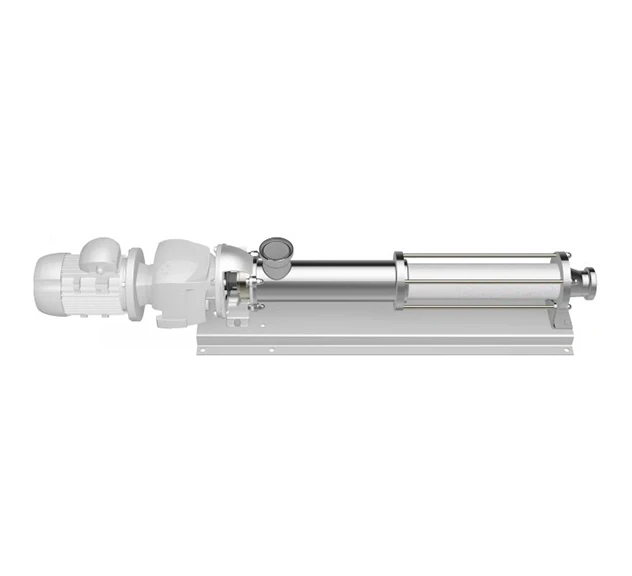
Sanitary twin screw pomac pump
see more information
Sanitary twin screw pomac pump

filter

Results 1-12 of 57
Results 1-12 of 57

Features & Advantages of Food & Beverage Pumps

  • Sanitary – Minimal risk of bacterial growth with hygienic materials such as electropolished Stainless Steel 316
  • Solids Handling – Able to handle solids, with max solids size up to 100mm
  • Safety – Pumps are FDA approved and EHEDG and CE compliant
  • Versatile – Multiple sizes and accessories are available with bi-directional flows, various mounting options and gear housing directions
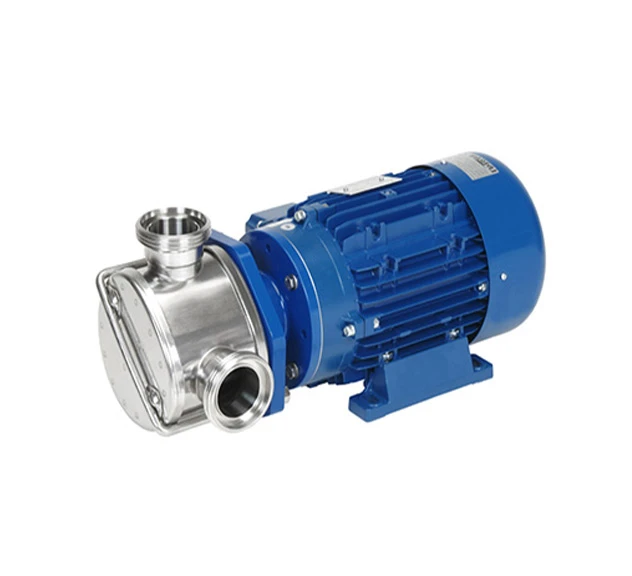
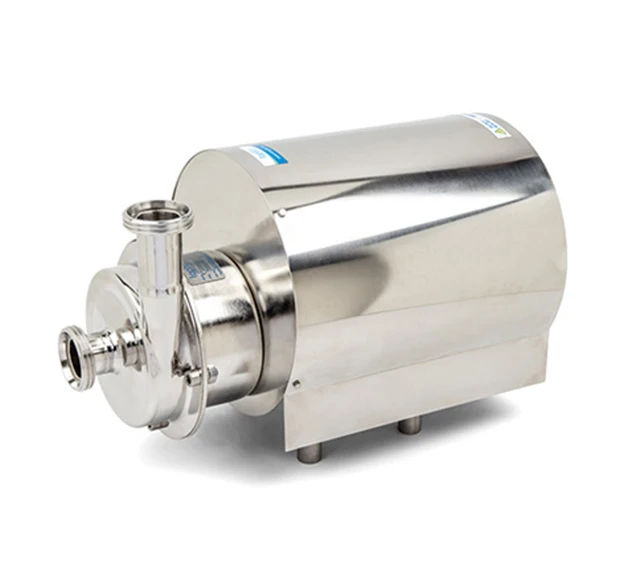
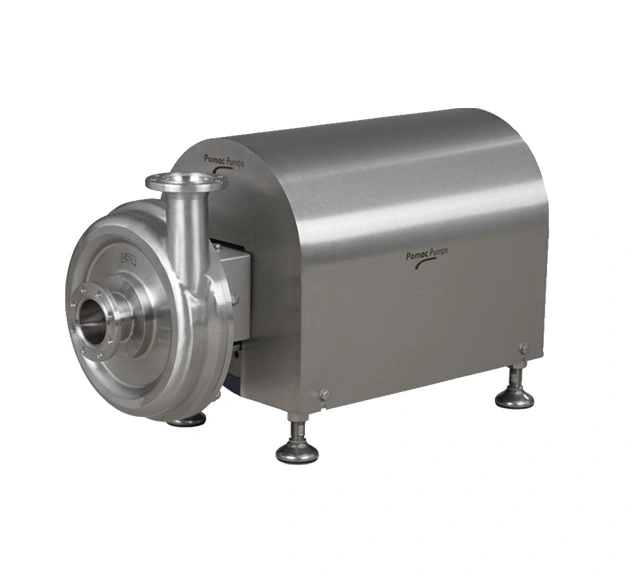
A picture of our Sanitary Self Priming Centrifugal Pump from Pomac Pumps

Learn more about Pumps for Food & Beverage

What are Hygienic Pumps for Food & Beverage?

What are the advantages of Food & Beverage Pumps?

What are the common applications and industries that use Food & Beverage Pumps?

What materials are used in Hygienic Food & Beverage pumps?

Do Hygienic Pumps support CIP and SIP processes?

What do I need to consider when selecting a Food & Beverage Pump?

What are Hygienic Pumps for Food & Beverage?

Tapflo’s Hygienic Pumps for Food & Beverage transfer shear-sensitive products and those intended for human consumption. Built from Stainless Steel 316, electropolished to Ra <0.8 for superior sanitation, they minimise the risk of bacterial growth.

What are the advantages of Food & Beverage Pumps?

Pumps for the food & beverage industries must be hygienic as the products pumped are for human consumption. Some other advantages and functions of these pumps include:

  • Sanitary: Constructed from Stainless Steel 316 , electropolished to Ra <0.8 for superior sanitisation and minimise the risk of bacterial growth. Gear oil is often isolated from the pumped fluid zone for contamination-free pumping.
  • Solids handling: Many of these pumps can often handle solids – with max solids handling up to 100mm.
  • Versatile and customisable: Many hygienic pumps have various mounting options, gear housing direction, bi-directional flows, sizes and accessories for versatility in operation.
  • CIP/SIP suitability: These pumps are suited and compatible with CIP and SIP processes.
  • Safety: Most pumps are FDA approved and EHEDG and CE compliant and have EC1935 approved mechanical seals and elastometers.
  • Usability: Pumps are often simple to install and easy to clean and maintain.

What are the common applications and industries that use Food & Beverage Pumps?

  • Food products: Dairy, meat, bakery, confectionary, egg, starch, syrups, juice
  • Beverage products: beer, hot wort, wine

Other applications and industries that can use these pumps are:

  • Hygiene
  • Cosmetics
  • Pharmaceutical
  • Chemical
  • Water

What materials are used in Hygienic Food & Beverage pumps?

Most hygienic pumps are built from Stainless Steel 316, electropolished to Ra <0.8 for superior sanitation, they minimise the risk of bacterial growth.

Do Hygienic Pumps support CIP and SIP processes?

Yes, most hygienic food and beverage pumps support CIP and SIP processes.

What do I need to consider when selecting a Food & Beverage Pump?

  • Application Compatibility: Ensure the pump is suitable for your application, taking into account the type of fluids, viscosity and any special requirements of your industry.
  • Surface Finish: Look for pumps with a smooth surface finish, typically with low roughness (e.g., <0.8 Ra), to minimise bacterial adhesion and facilitate effective cleaning.
  • Hygienic Design: Choose pumps with a hygienic design that minimise dead spaces and crevices where fluids or contaminants could accumulate.
  • Certifications: Check for industry certifications such as EHEDG (European Hygienic Engineering & Design Group) or FDA compliance to ensure the pump meets strict hygiene and safety standards.
  • CIP/SIP Capabilities: Opt for pumps with Clean-In-Place (CIP) and Sterilization-In-Place (SIP) capabilities.
  • Sealing Options: Look for pumps with interchangeable sealing options.
  • Self-Draining Features: Consider pumps with self-draining features, especially if they are vertically mounted.
  • Connection Types and Sizes: Look at the available connection types and sizes (e.g. Tri-Clamp, threaded, DIN, BSP) to ensure compatibility with your system and to facilitate easy integration.
  • Ease of Maintenance: Look at the pump’s design for ease of disassembly and maintenance.
  • Supplier Reputation: Choose reputable suppliers with a track record of providing reliable and high-quality Sanitary Pumps.