




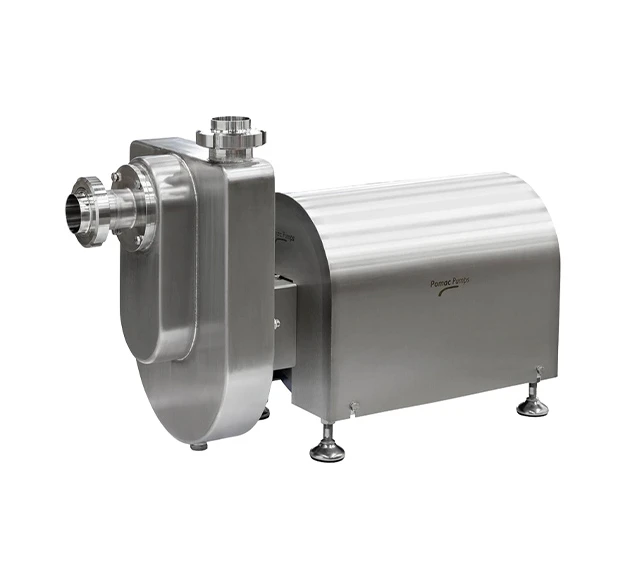
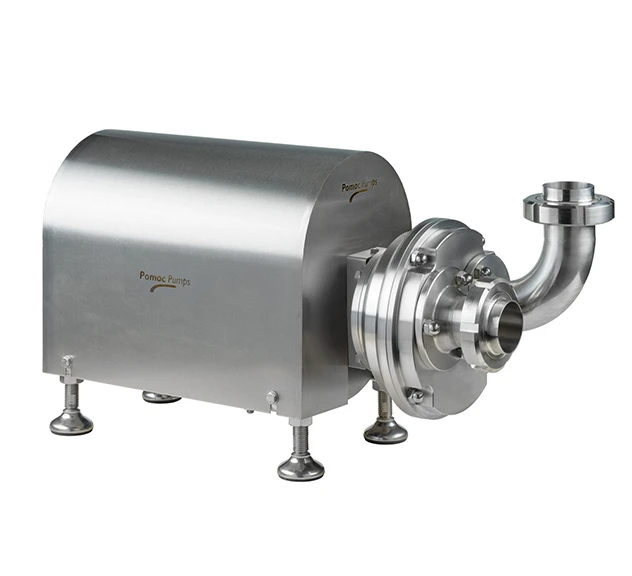
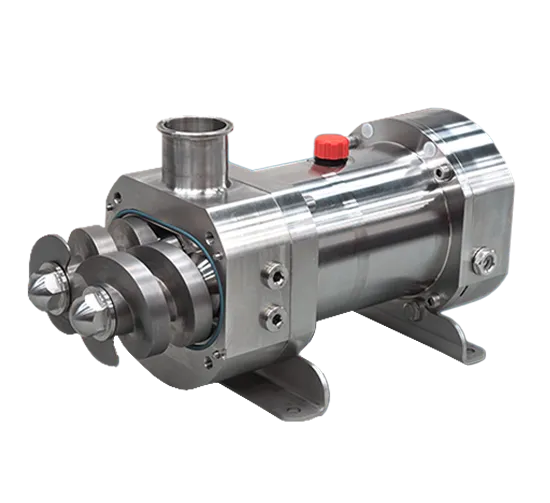
-
Surface Finish: Choose pumps with a very smooth surface finish, typically electropolished (e.g., <0.8 Ra) to help reduce bacterial build up and make cleaning more effective.
-
Hygienic Design: Select pumps designed to minimise dead spaces, gaps, or crevices where product residue or contaminants could collect.
-
Application Compatibility: Make sure the pump is appropriate for your specific application by considering the type of fluid, its viscosity, and any industry-specific requirements.
-
Certifications: Verify that the pump holds recognised certifications, such as EHEDG (European Hygienic Engineering & Design Group) or FDA compliance, to confirm it meets strict hygiene and safety standards.
-
CIP/SIP Capabilities: Choose pumps that support Clean-In-Place (CIP) and Sterilisation-In-Place (SIP) processes to allow efficient cleaning and sterilisation without dismantling.
-
Sealing Options: Consider pumps that offer interchangeable sealing options so they can be adapted to different operating conditions.
-
Self-Draining Features: If the pump will be installed vertically, look for models with self-draining capabilities to prevent fluid from remaining inside the system.
-
Connection Types and Sizes: Review the available connection types and sizes (e.g., Tri-Clamp, threaded, DIN, BSP) to ensure they are compatible with your existing system and allow for straightforward installation.
-
Ease of Maintenance: Evaluate the pump’s design to ensure it can be easily dismantled and maintained when servicing is required.
Pomac Pumps
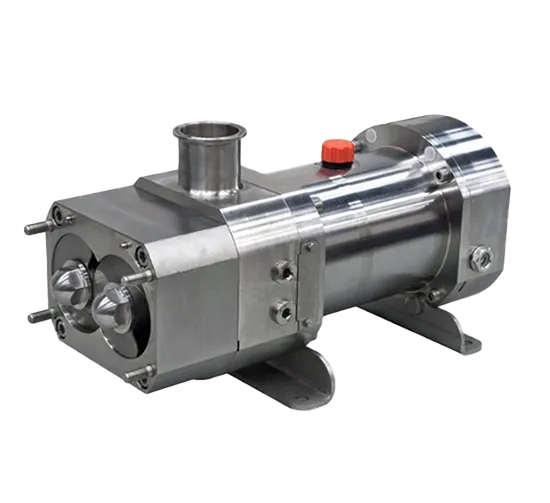
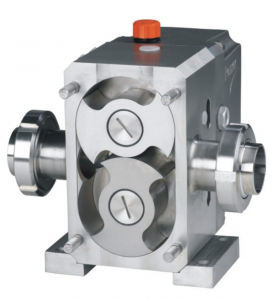
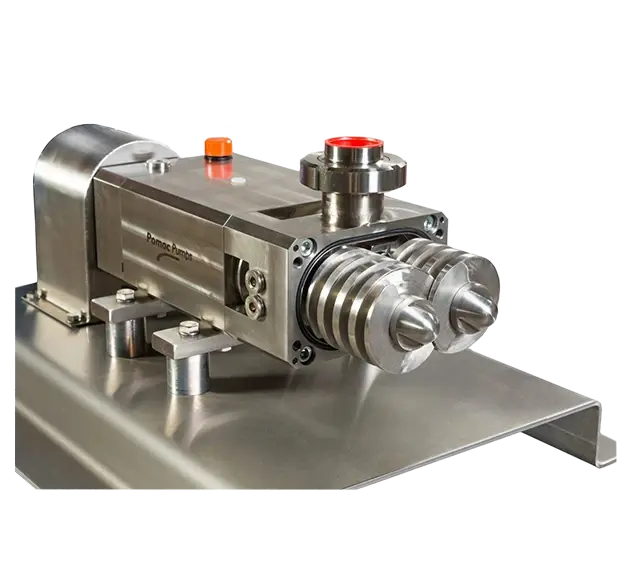
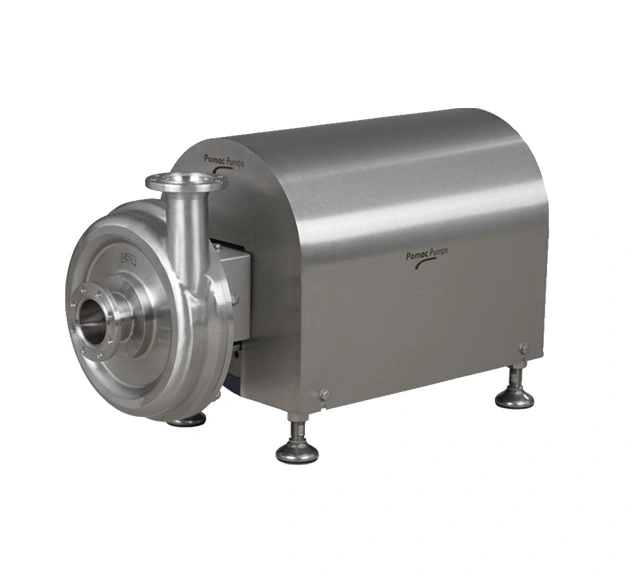
Pomac Pumps is a global leader in Hygienic Pumping solutions, including Centrifugal, Lobe, Twin Screw, and Liquid Ring Pumps.