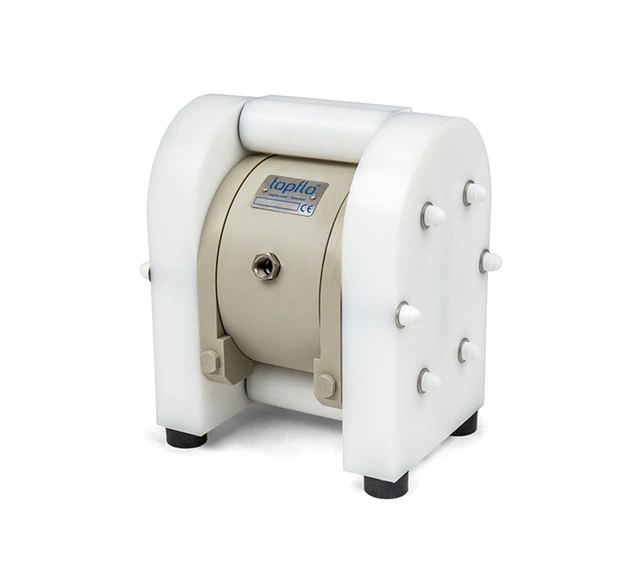





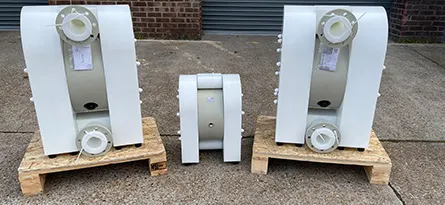

Diaphragm pump maintenance involves routine inspection of diaphragms, valve balls, seats, O-rings, and air valves; keeping the air supply clean and correctly pressurised; and following a scheduled replacement programme for wear parts. Consistent maintenance prevents the most common failure modes: air leaks, diaphragm rupture, cavitation, and reduced flow and extends pump service life
At Tapflo UK, we supply a wide range of Diaphragm Pumps; they are a foundation for many industries, known for their adaptability and dependability. However, even these pumps aren’t immune to operational hiccups that can disrupt their operation. Understanding these issues and their solutions is essential for safeguarding uninterrupted performance and efficiency within your process.
In this blog, we’ll look at common Diaphragm Pump maintenance and how they prevent issues.
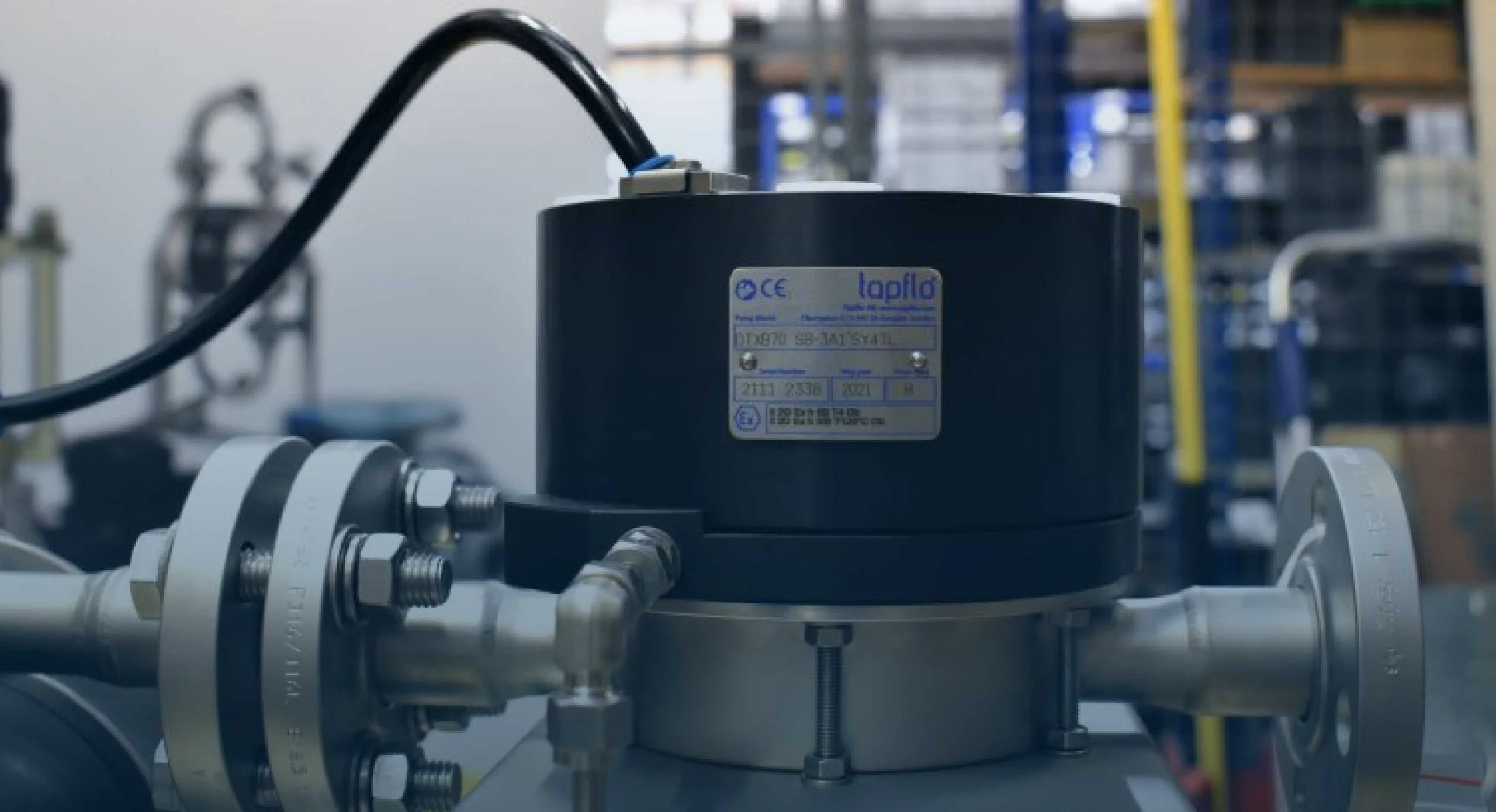
What are the common issues with Diaphragm Pumps?
Issues with Diaphragm Pumps can include:
- The air pressure runs too low
- The suction is poor
- The pump runs irregularly
- Liquid leaks from the pump or muffler
- The diaphragms break down
Understanding common issues with Diaphragm Pumps, identifying their causes, and implementing our suggested troubleshooting solutions are key to ensuring optimal performance.

Diaphragm Pump Maintenance: Best Practises
Proper maintenance of your Diaphragm Pump is key to ensuring its longevity. Here are some essential maintenance tips to guarantee the extended lifespan and optimal performance of your Diaphragm Pump:
Routine Checks:
- Conduct routine visual inspections: Inspect the pump’s components, including diaphragms, valve balls, seats and connections, to identify signs of wear or damage
Air Supply Maintenance:
- Clean/replace the air filter: Monitor the air filter regularly to ensure the quality of the compressed air supplied to the pump. Contaminated air can lead to O-ring rupture and pump stalling
- Check for air leaks: Changes in the quality, flow or pressure of the air supply can directly impact pump performance
- Monitor suction and discharge pressure: Ensure the system pressure remains within the working parameters of the pump
- Monitor the exhaust muffler: Keep the air exhaust muffler clear of any obstructions, as a blocked muffler could affect the pump’s ability to expel air efficiently
Torque & Mounting Checks:
- Check the torque: Tighten the pump’s main nuts and bolts to the specified torque settings. This reduces the risk of leaks and ensures the pump’s integrity. Watch the video below for how to check the torque:
Extra Checks:
- Mount the pump correctly: Use wall or floor mounting brackets with anti-vibration feet to minimise vibrations and stress on pump components
- Use a level control system: Monitor media levels on the suction or discharge. This ensures the pump is turned off when levels reach set points, preventing dry running
- Conduct training: Train all operators on the correct pump usage and maintenance procedures. Emphasise the importance of following recommended schedules for servicing and part replacement
Ensure the pumped media is compatible with the pump’s construction materials. Use compatibility charts, such as the Cole Palmer Compatibility Guide, and consult manufacturer guidelines for correct material selection.
If the pump isn’t working as required, a troubleshooting guide can help diagnose and fix problems.
What Accessories Can Help Reduce Diaphragm Pump Maintenance?
To improve the longevity of your Diaphragm Pump, accessories such as the following are recommended:
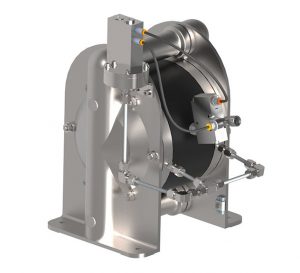
Barrier Diaphragm Pump
Consider a Barrier Pump for added protection in the event of diaphragm rupture. Barrier Pumps feature backup diaphragms to contain fluid during failures.
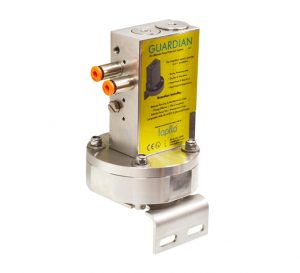
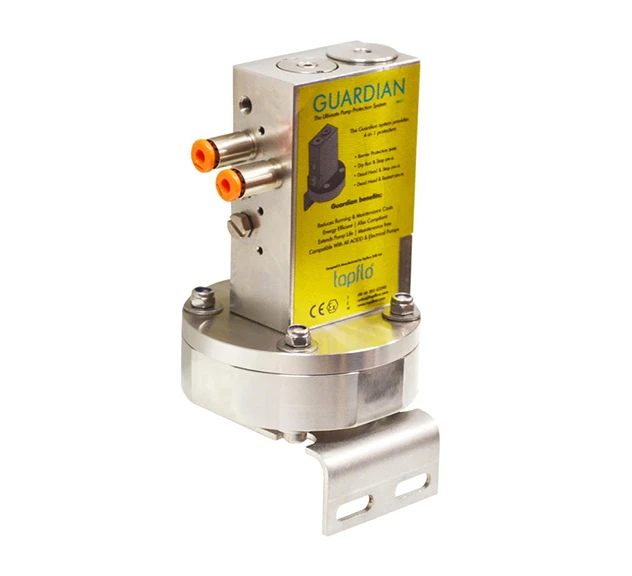
Diaphragm Pump Guardian System
A Guardian System can monitor fluid discharge pressure, preventing dry running and providing added protection in deadhead, stop/restart, and barrier situations. Another way to avoid dry running is to use a level control, which you can also buy from Tapflo UK and that works with any Diaphragm Pump.
Other accessories for diaphragm pumps are available to help customise your pump and extend its life.
Why Regular Maintenance is important for a Diaphragm Pump
To summarise, keeping your Diaphragm Pump in optimal working condition allows you to promptly deal with any issues that arise. Whether its maintaining air pressure or conducting regular check-ups, taking proactive care ensures your pumps last longer. Tapflo UK is committed to offering complete fluid handling solutions, helping operators tackle and avoid challenges in their Diaphragm Pump system.
FAQs
How often should you service a Diaphragm pump?
There is no set timeframe on how often you should service a Diaphragm Pump; however, regular inspection of the parts can give you an indication of when you need to service the pump. We do, however, recommend annual servicing to check all components and recalibrate if needed.
Does Tapflo UK offer servicing?
Yes, we service, maintain and fix pumps in-house at our UK branch.