lead forensics image

Lobe Pumps for Clean, Gentle, & Viscous Fluid Transfer

Designed to preserve product quality with gentle, damage-free transfer. Suitable for industrial and hygienic fluids and certified to pharmaceutical & food grade standards.
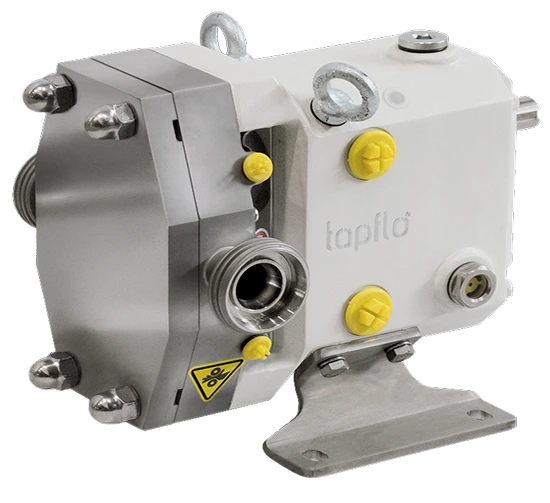

LPX Lobe Pump
Download Brochure
LPX Lobe Pump

Enhance Your Process with Lobe Pumps

Ideal for both industrial and hygienic applications, our Lobe Pumps gently move fragile fluids, including those with solids, without compromising quality.
 

  • Low & high viscosity
  • No cross-contamination or bacteria build-up
  • Suited to CIP & SIP
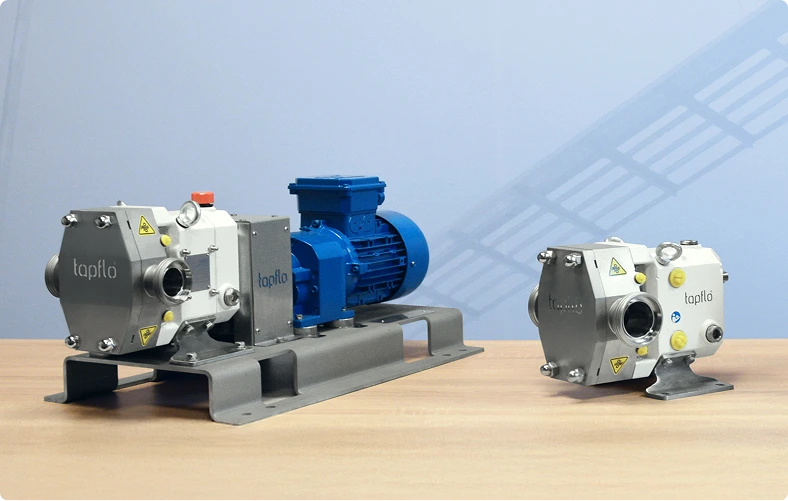
LPX Lobe Pump, one with motor and one without

Still Unsure? Let’s Answer Your Questions

What is a Lobe Pump?

Advantages of using a Lobe Pump

Common industries & applications

Are Lobe Pumps self-priming?

How do I select the right Lobe Pump?

Are Lobe Pumps ATEX compliant?

Do Lobe Pumps support CIP and SIP processes?

Materials available

Maintenance required to keep your Lobe Pumps running

Additional factors to consider

View more

What is a Lobe Pump?

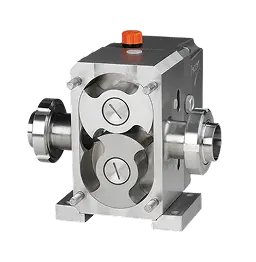
Lobe Pumps, also known as Rotary Lobe Pumps, are a type of Positive Displacement Pump that feature two rotating lobes. This design creates suction which draws more fluid into the pump resulting in the necessary pressure required to transfer fluid out the discharge of the pump.

Did this answer your question?

Read more about Lobe Pumps on our handy guides:
 

Your Guide to Sanitary Lobe Pumps

Lobe Pump Maintenance

Advantages of using a Lobe Pump

Lobe Pumps are well suited to a range of applications such as slurries, pastes, and those containing solids. They are particularly effective in preserving the quality of the product and can transfer solids without causing damage.
  • Versatile fluid handling capabilities
  • Gentle handling of products
  • Self-priming when wetted
  • High efficiency, maintaining consistent flow rates
  • Simple and quick to maintain
  • CIP and SIP available
  • Can be used with hazardous applications or environments (upon request)
  • FDA and EHEDG certifications for sanitary applications
  • Can handle temperatures up to 140°C

Did this answer your question?

Read more about Lobe Pumps on our handy guides:
 

Your Guide to Sanitary Lobe Pumps

Lobe Pump Maintenance

Common industries & applications

Lobe Pumps are well suited to a range of applications such as slurries, pastes, and those containing solids. They are particularly effective in preserving the quality of the product and can transfer solids without causing damage.
  • Pharmaceutical
  • Cosmetics
  • Food & Beverage
  • Pulp & Paper
  • Chemical
  • Biotech

Did this answer your question?

Read more about Lobe Pumps on our handy guides:


Your Guide to Sanitary Lobe Pumps

Lobe Pump Maintenance

Are Lobe Pumps self-priming?

Yes, however, Lobe pumps are only self-priming when wetted.

Did this answer your question?

Read more about Lobe Pumps on our handy guides:


Your Guide to Sanitary Lobe Pumps

Lobe Pump Maintenance

How do I select the right Lobe Pump?

To choose the appropriate Lobe Pump for your application, ask yourself the following about the characteristics of your fluid & media:
  • What media will be pumped? Consider the chemical composition of the media you will be pumping – is it chemically neutral or corrosive, shear sensitive etc.
  • What is the viscosity of the media you intend to pump? Consider viscosity limitations, shear sensitivity etc.
  • Do you need to pump fluids containing solids?
  • Is your environment or fluid explosive?
  • Do you require self-priming capabilities?

Did this answer your question?

Read more about Lobe Pumps on our handy guides:


Your Guide to Sanitary Lobe Pumps

Lobe Pump Maintenance

Are Lobe Pumps ATEX compliant?

The EHEDG Lobe Pump and Industrial Rubber Rotary Lobe Pump in our catalogue are ATEX-rated meaning they can operate in hazardous environments.

Did this answer your question?

Read more about Lobe Pumps on our handy guides:


Your Guide to Sanitary Lobe Pumps

Lobe Pump Maintenance

Do Lobe Pumps support CIP and SIP processes?

Yes, Lobe Pumps support CIP and SIP processes for optimal cleaning and sterilisation.

Did this answer your question?

Read more about Lobe Pumps on our handy guides:


Your Guide to Sanitary Lobe Pumps

Lobe Pump Maintenance

Materials available

  • Stainless Steel AISI 316L
  • Cast Iron
Lobes can be supplied in several different elastomers including NBR, SBR, XNBR, EPDM, Viton, Teflon, FPM, FKM etc. according to FDA certifications if required. Some of our materials offer an ATEX option on request for explosive applications and environments.

Did this answer your question?

Read more about Lobe Pumps on our handy guides:


Your Guide to Sanitary Lobe Pumps

Lobe Pump Maintenance

Maintenance required to keep your Lobe Pumps running

Regular maintenance is crucial to keeping your pump performing at its best and ensuring a long life span. To look after your Lobe Pump, you should:
  • Gearbox oil levels should regularly be checked to ensure no leakage
  • Monitor suction and discharge levels
  • Monitor pressure and flow if your system features a flushing system
  • Listen for excessive noise which could indicate that the lobes are dragging or that there are wear issues on the bearings or gears
  • If the pump features a heating or cooling system, the temperature should regularly be checked
Depending on the size of your pump and the fluid you are pumping, a more detailed maintenance schedule may be required.

Did this answer your question?

Read more about Lobe Pumps on our handy guides:


Your Guide to Sanitary Lobe Pumps

Lobe Pump Maintenance

Additional factors to consider

  • Will your pump be stationary, or do you need it to be portable? If you require portability, Lobe Pumps can be fitted to trolleys of any size to suit your needs.
  • Will you require additional accessories for your pump? Tanks for heavy-duty applications, heating and cooling jackets, inverters, lubrication tanks, and other accessories to improve or assist the performance of your pump are available.

Did this answer your question?

Read more about Lobe Pumps on our handy guides:


Your Guide to Sanitary Lobe Pumps

Lobe Pump Maintenance

View more