lead forensics image

Progressive Cavity

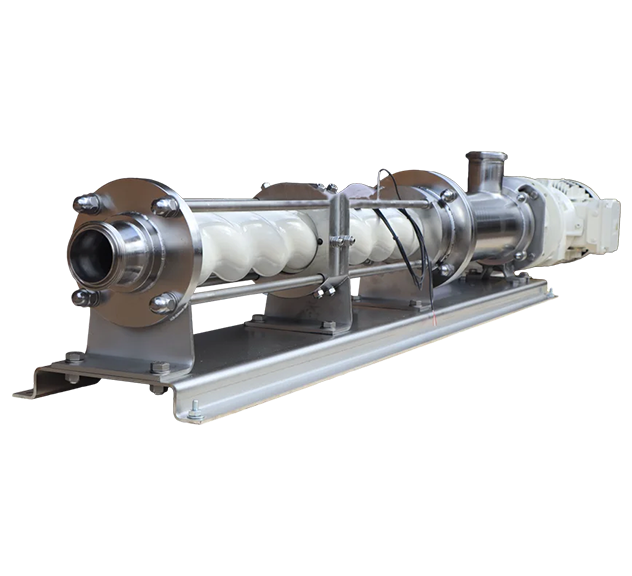
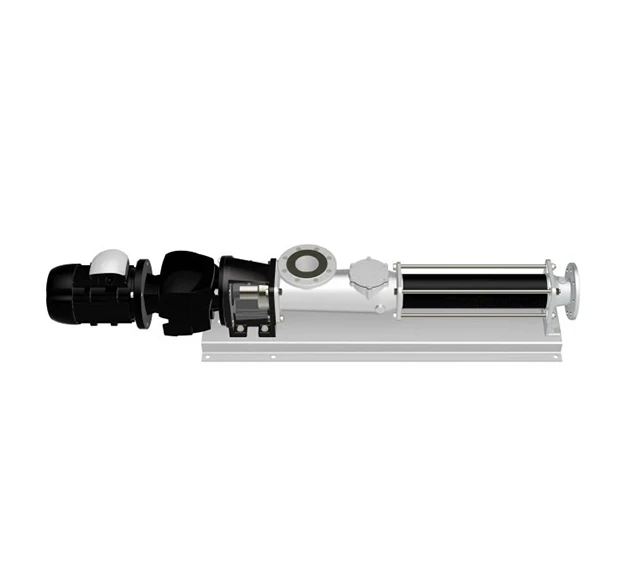
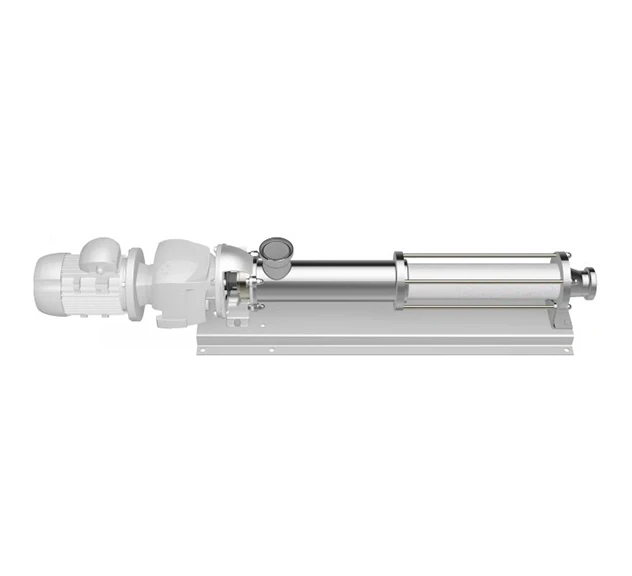
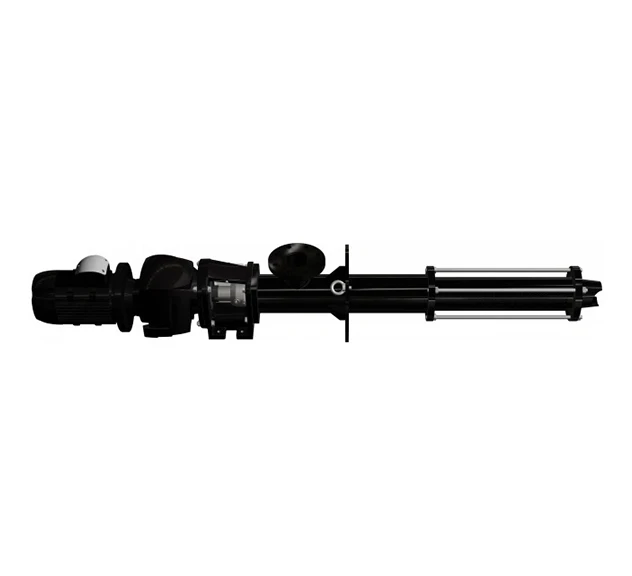
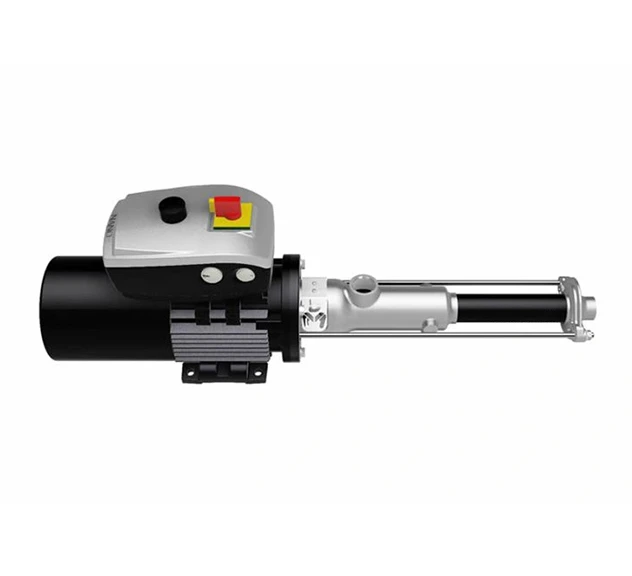
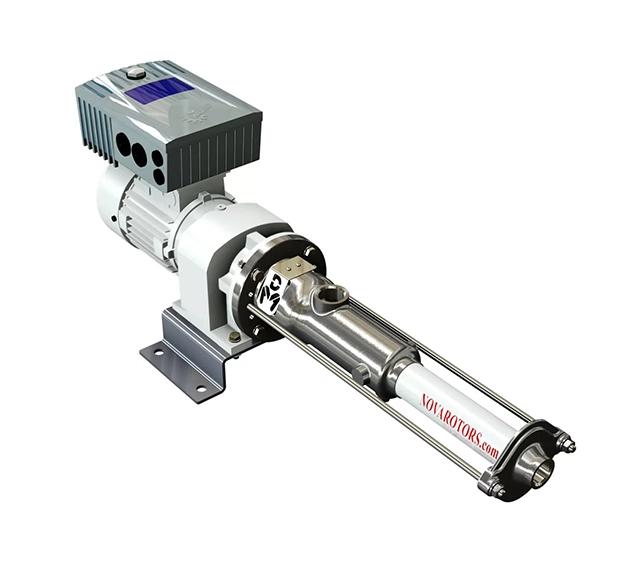
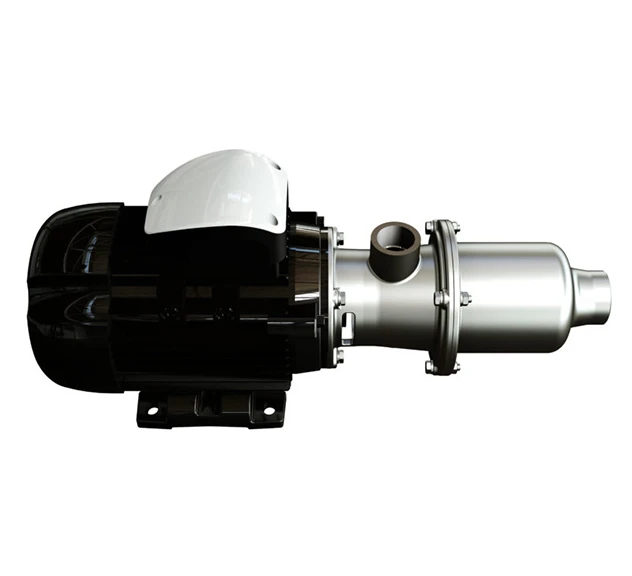
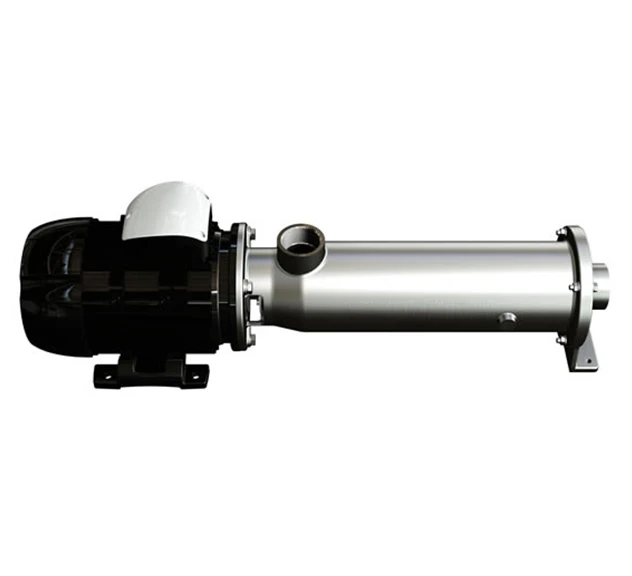
Our Progressive Cavity Pumps are volumetric pumps capable of self-priming and are suited to highly viscous, shear-sensitive & heterogeneous fluids containing gas, solids, abrasive particles & fibrous materials. Offering reversible flows, high discharge pressures up to 48 Bar & available in configurations from stages 1 to 8.

Filter Results (12)
Order By

What is a Progressive Cavity Pump?

Progressive Cavity Pumps, also referred to as Progressing Cavity Pumps or PC Pumps, are volumetric, self-priming Positive Displacement Pumps. The pumps consist of a rotor which rotates within a stator, which in turn causes the stators cavities to fill with the media being pumped.
Progressive Cavity Pumps are ideally suited to moving challenging fluids such as wastewater sludge, slurries, and shear-sensitive materials, with a varied temperature range of – 40°C to +150°C.

What is a Progressive Cavity Pump?

Progressive Cavity Pumps, also referred to as Progressing Cavity Pumps or PC Pumps, are volumetric, self-priming Positive Displacement Pumps. The pumps consist of a rotor which rotates within a stator, which in turn causes the stators cavities to fill with the media being pumped.
Progressive Cavity Pumps are ideally suited to moving challenging fluids such as wastewater sludge, slurries, and shear-sensitive materials, with a varied temperature range of – 40°C to +150°C.

Advantages of Progressive Cavity Pumps

Progressive Cavity Pumps are available in many executions and have been designed to handle tough and high-viscous fluids, ensuring a near-constant flow rate and exceptional suction lift capabilities.
  • Uniform Flow which is proportional to the speed of rotation
  • Suitable for low NPSHa & suction lift (up to 8 m)
  • Can pump shear-sensitive & heterogeneous fluids containing gases, solids, abrasive particulates & fibrous materials
  • Can pump both low and high-viscosity fluids
  • Can be used for low-flow & dosing applications
  • Low pulsation with minimal tensile strain on the process media
  • High discharge pressures, up to 48 bar (6 bar/stage). Units are available with 1 – 8 stages
  • Patented pin joined design for increased solids passage capabilities
  • Reversible flow
  • Modular design

Common Industries & Applications

  • Biogas
  • Brewing, Distilling, & Oenological
  • Papermaking
  • Wastewater Treatment
  • Chemical
  • Pharmaceutical
  • Cosmetics
  • Food & Beverage

Are Progressive Cavity Pumps self-priming?

Yes, most Progressive Cavity Pumps are self-priming. This means they can eliminate air from the pump and suction line, creating a vacuum that draws in fluid. This is advantageous when the pump is located above the fluid source or the supply may not be consistent.

Can Progressive Cavity Pumps run dry?

No, most Progressive Cavity pumps cannot run dry, however, we offer dry run protection devices that can prevent damage to the pump from dry running e.g Stator Temperature Probes.

What Are Your Fluid & Media Transfer Characteristics?

To choose the appropriate Progressive Cavity Pump for your application, ask yourself the following questions:
  • What media will be pumped? Consider the chemical composition of the media you will be pumping – is it chemically neutral or corrosive, shear sensitive etc.
  • What is the viscosity of the media you intend to pump? Consider viscosity limitations, shear sensitivity etc.
  • Do you need to pump fluids containing solids?
  • Is your environment or fluid explosive?
  • Do you require hygienic connections?
  • Do you require self-priming capabilities?

What’s the difference between a Progressive Cavity Pump and a Progressing Cavity Pump?

A Progressive and a Progressing Cavity Pump are the same thing; they can be called either name interchangeably.

Are Progressive Cavity pumps suitable for hygienic applications?

Yes, we suggest choosing the Hygienic Progressive Cavity Pump or the Hygienic Single Screw Dosing Pump variant as they can be easily cleaned and sanitised. They are suitable for the food & beverage, pharmaceutical and cosmetics industries.

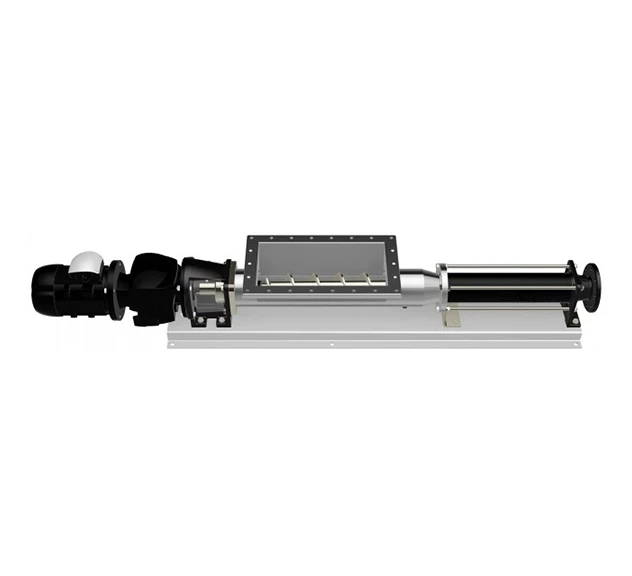
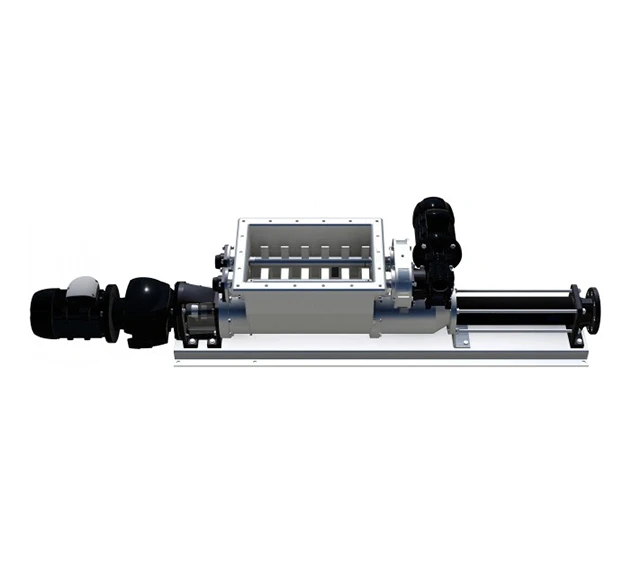
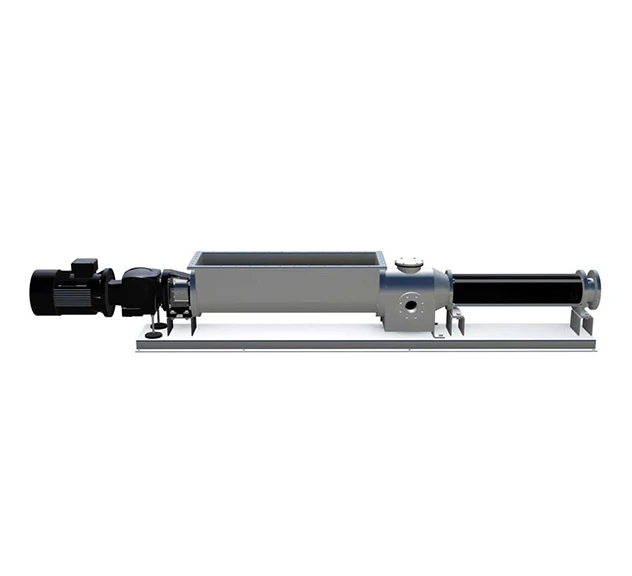
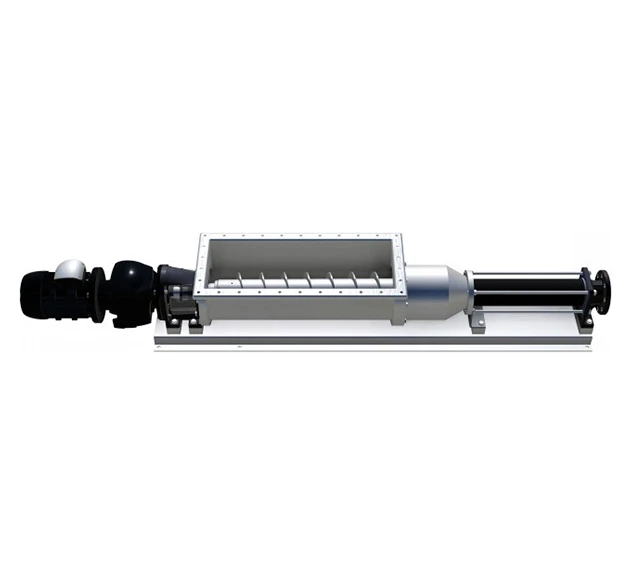
Is a Hopper Pump a type of Progressive Cavity pump?

Yes, a Hopper Pump is a type of Progressive Cavity Pump. They are designed to handle highly viscous and solid-laden materials in demanding applications. These are suitable for hazardous environments and are a reliable choice for transporting substances that flow slowly.

Materials Available

  • Cast Iron
  • Bronze
  • Stainless Steel 304 & 316
  • F55 Super Duplex
  • ECTFE Fluoropolymer coatings on request
Rotors, stators, and connections are all available in various materials for both industrial and food-grade applications. Some of our materials offer an ATEX option on request for explosive applications and environments.

Maintenance Required to Keep Your Progressive Cavity Pumps Running

Regular maintenance is crucial to keeping your pump performing at its best and ensuring a long life span. Progressive Cavity Pumps are unable to dry run for long periods, so preventing this is one of the key factors for maintaining a PC pump, along with:
  • Stator inspections
  • Bearing housing
  • Lubrication replacement
  • Checking for wear and tear on seals
  • Inspect for shaft wear
Depending on the size of your pump and the fluid you are pumping, a more detailed maintenance schedule may be required.

Additional Factors to Consider

  • Will your pump be stationary, or do you need it to be portable? If you require portability, Progressive Cavity Pumps can be fitted to trolleys of any size to suit your needs.
  • Will you require additional accessories for your pump? Progressive Cavity Pumps come in a wide range of executions and can be modified to your requirements.