BY TYPE
BY APPLICATION
BY BRAND






Official UK partner of Nova Rotors
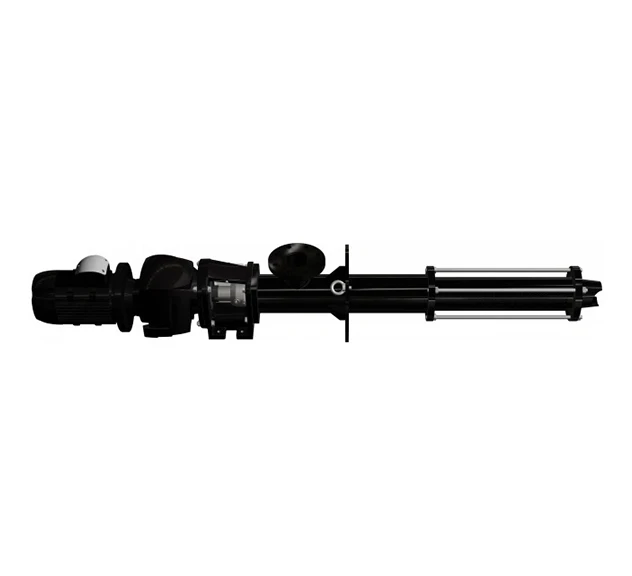
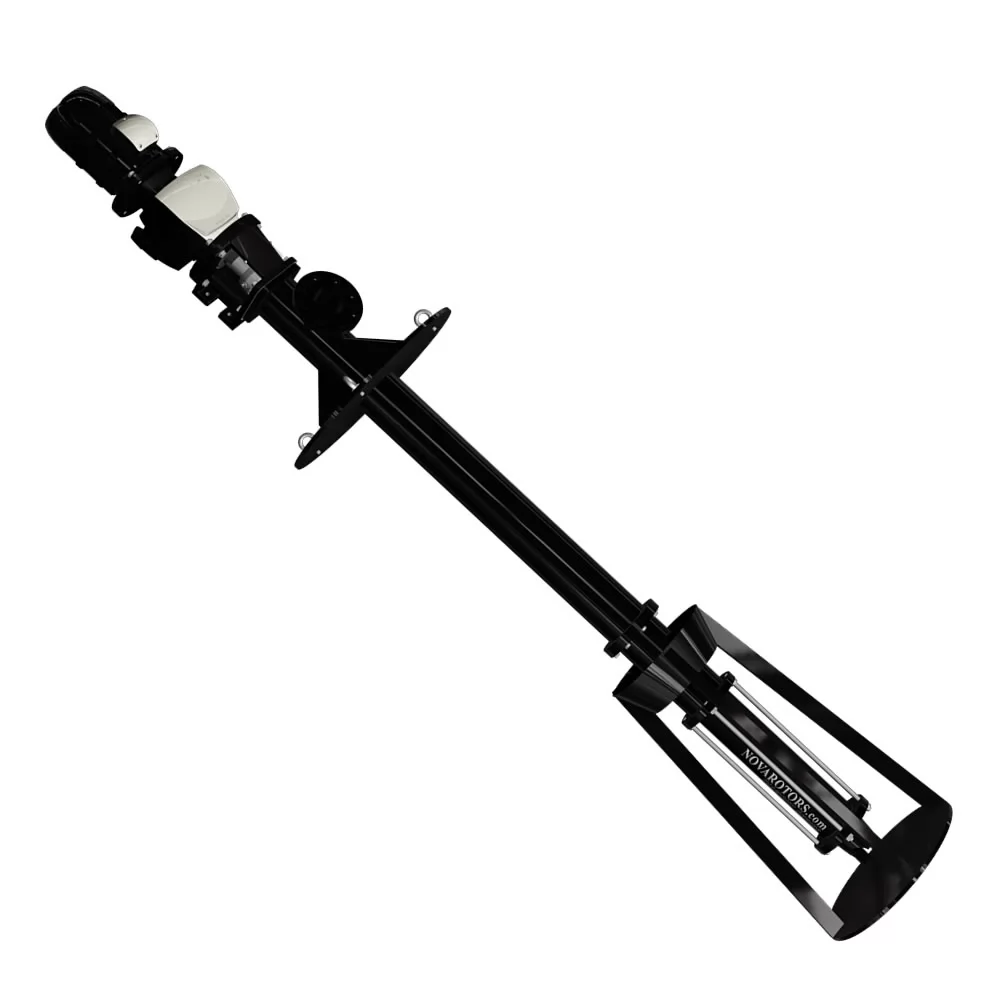
Our Vertical Progressive Cavity Pump is a versatile solution for applications including deep tanks and wells. Available in compact short executions for easy installation or long executions with a removable inlet, it efficiently handles viscous and non-viscous, abrasive, and aggressive liquids. Pump length can be customised to suit your installation requirements.
These close-coupled pumps provide smooth, vibration-free operation, even in demanding conditions. For enhanced corrosion resistance, Stainless Steel (AISI 304/AISI 316) variants are available with a protective stator jacket. ATEX versions are also available for hazardous environments.
Typical applications include:
| Specification | Description |
|---|---|
| Max Flow (m³/hr) | 680 |
| Max Pressure (bar) | 24 (48 for K8 series) |
| Temperature Range (ºC) | -40 – 150 |
Supplying a custom Progressive Cavity unit for challenging offshore fluids.
How Progressive Cavity Pumps work, what applications they are suited for and the key features.
Taking manual work away from the agriculture sector with a Hopper Pump for egg shells.
Progressive Cavity Pumps, also referred to as Progressing Cavity Pumps or PC Pumps, are volumetric, self-priming Positive Displacement Pumps. The pumps consist of a rotor that rotates within a stator, which in turn causes the stator’s cavities to fill with the pumped media.
The MX Series is ideal for pharmaceutical, chemical, cosmetic and food industries where hygiene is paramount.
The primary difference between a Vertical Progressive Cavity Pump and a standard Progressive Cavity Pump is the installation orientation. Vertical Progressive Cavity Pumps are designed for upright operation, with the inlet and outlet positions reversed.
A Progressive and a Progressing Cavity Pump are the same thing; they can be called either name interchangeably.