lead forensics image

Centrifugal Pumps

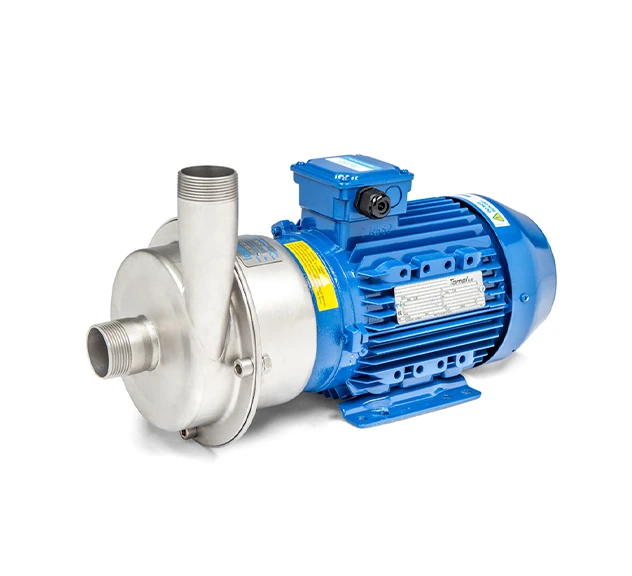
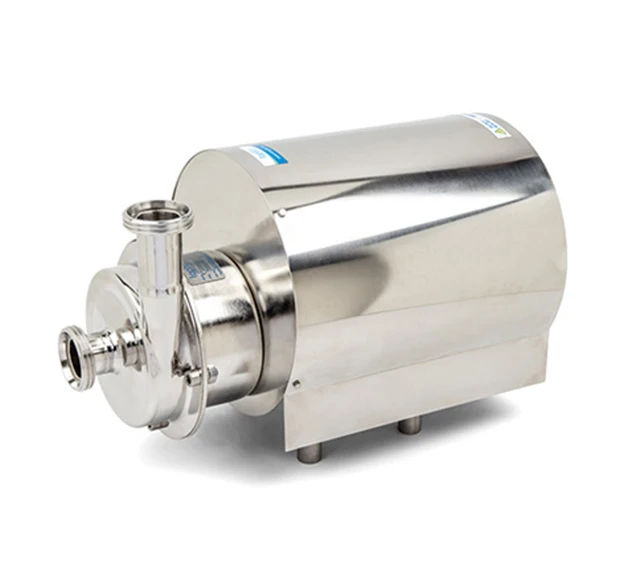
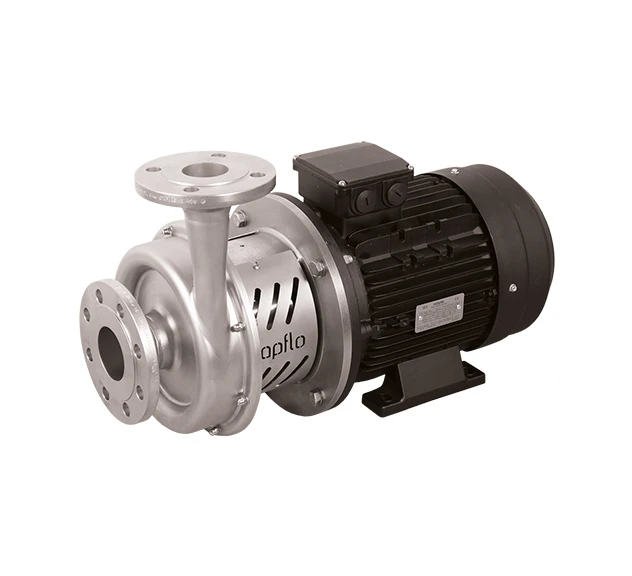
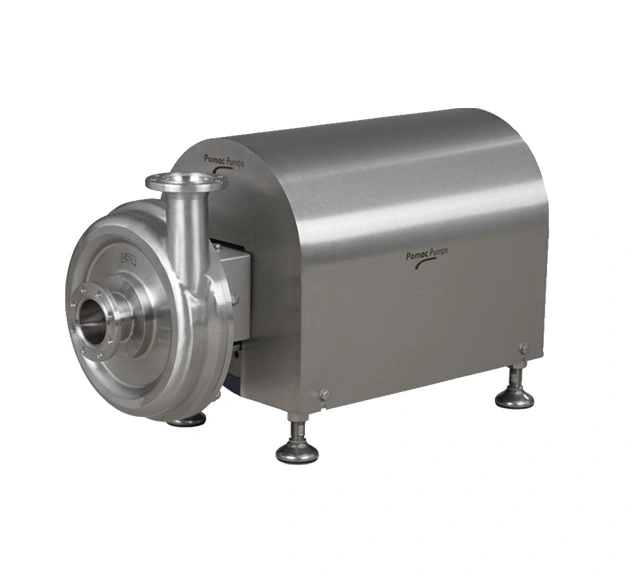
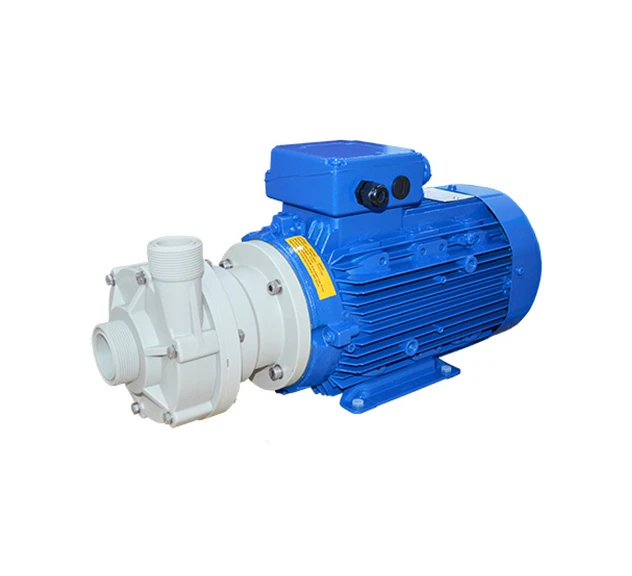
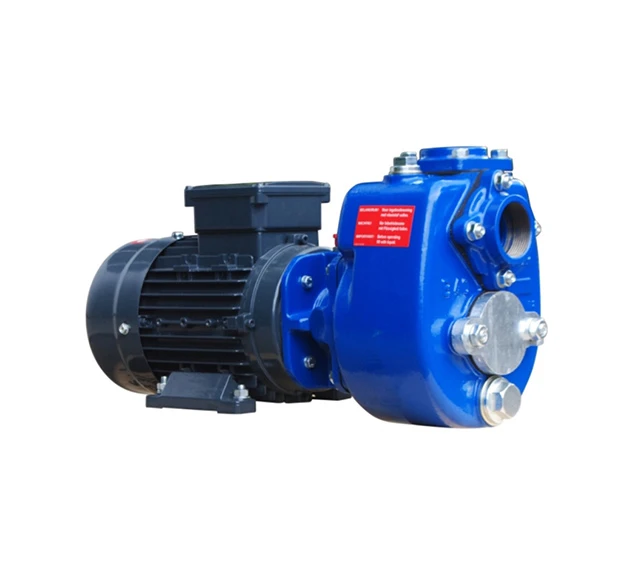
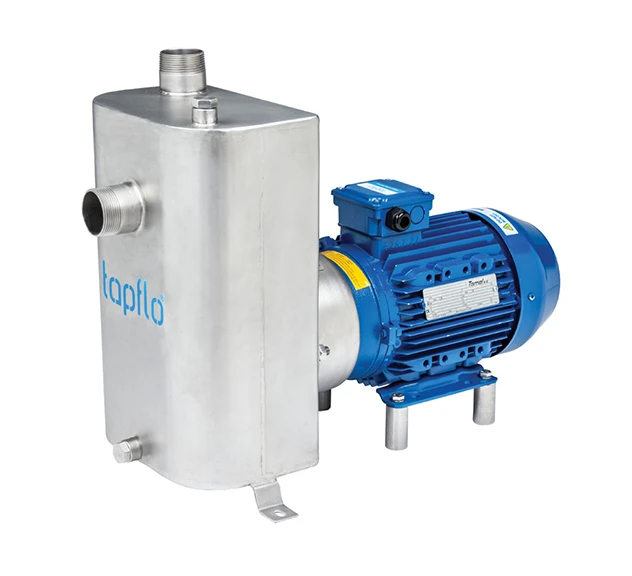
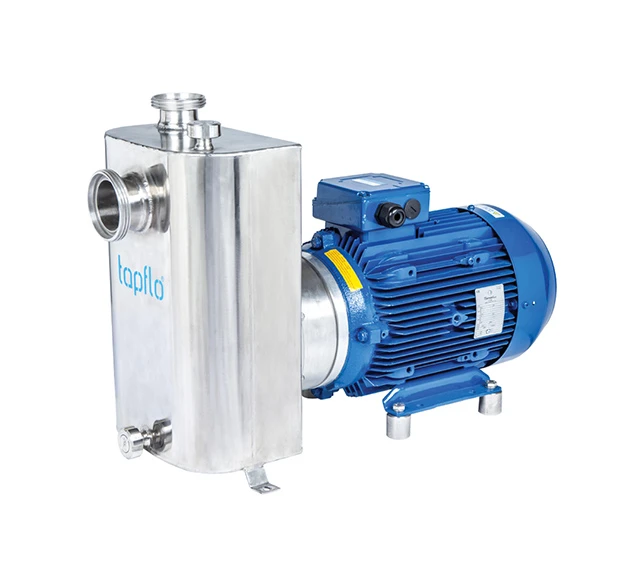
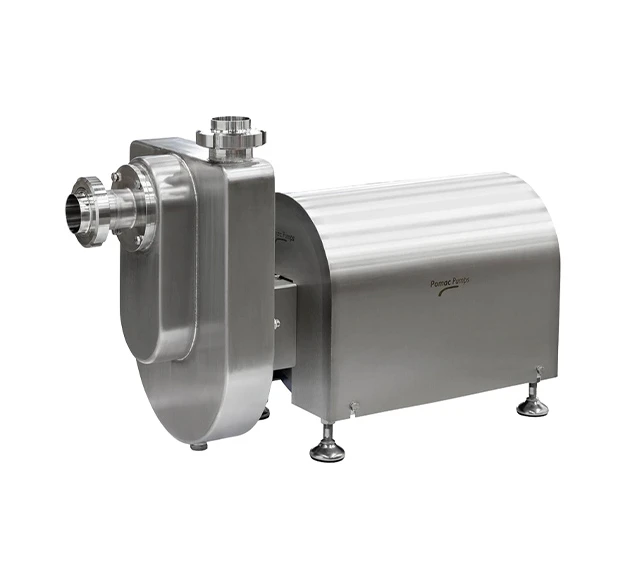
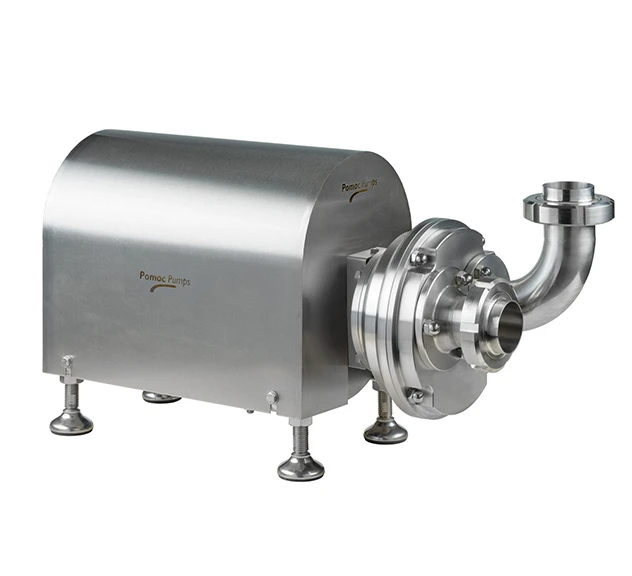
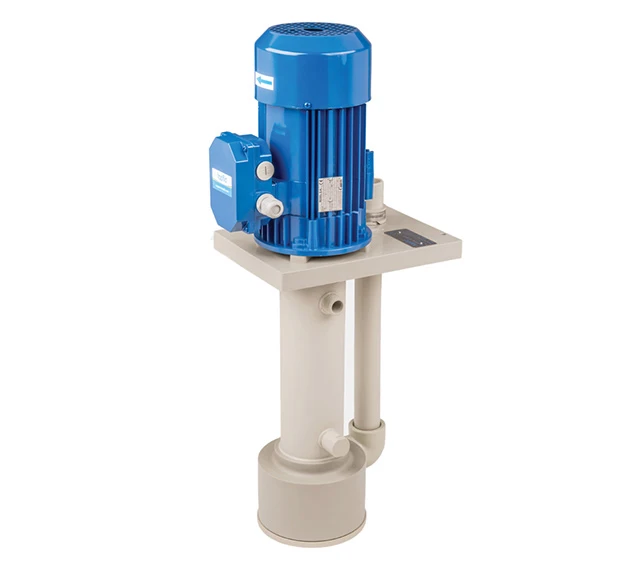
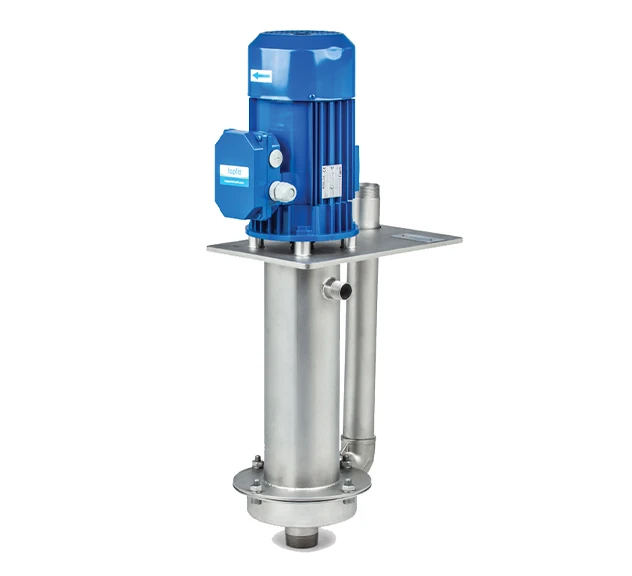
Our Centrifugal Pumps use a rotary impeller system, they are self-priming & ATEX-available, they are easy to install and have various configurations.
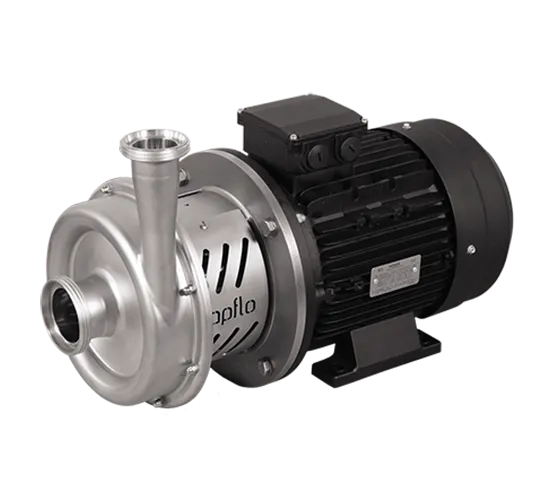

Centri
see more information
Centri

filter

Results 1-12 of 32
Results 1-12 of 32

Learn more about Centrifugal Pumps

What is a Centrifugal Pump?

What are the advantages of Centrifugal Pumps

Are Centrifugal Pumps self-priming?

What are the common Industries & applications of Centrifugal Pumps?

Are Centrifugal Pumps suitable for hygienic or sanitary applications?

What are the fluid & media transfer characteristics of Centrifugal pumps?

What materials are Centrifugal Pumps available in?

How do I know which size Centrifugal Pump to choose for my application?

What’s the difference between a Centrifugal Pump and a Diaphragm Pump?

What maintenance is required to keep a Centrifugal Pump running?

Additional factors to consider when looking for a Centrifugal Pump?

What is a Centrifugal Pump?

A Centrifugal Pump uses a rotary impeller system and features either open, semi-open, or closed impellers. They are able to move more fluid than any other type of pump on the market and are typically used to transfer low-viscosity liquids at high flow rates.

What are the advantages of Centrifugal Pumps

  • High efficiency meaning less power consumption
  • High versatility, able to handle a wide range of pressures and flow rates
  • Single or double mechanical seals available
  • Low NPSHr which is key to their BEP (Best Efficiency Point)
  • Self-priming options available
  • ATEX available for explosive fluids or environments
  • Easy installation and maintenance
  • Comprehensive material options
  • Horizontal, vertical, single and multistage, end suction, long and close coupled options
  • CIP & SIP executions available

Are Centrifugal Pumps self-priming?

Self-priming allows the pump to be run without the fluid in it –

Centrifugal Pumps aren’t often self-priming, but we do offer several variants that offer self-priming capabilities.

What are the common Industries & applications of Centrifugal Pumps?

Centrifugal pumps can be used for a wide range of applications, including pressure boosting, dispensing, loading and offloading, tank cleaning, batching and metering.

  • Wastewater treatment
  • Surface conditioning
  • Chemical manufacturing
  • Food & Beverage
  • Pharmaceutical
  • Cosmetics
  • Paint & Print
  • Mechanical
  • Tank to tank mineralisation
  • Demineralisation

Are Centrifugal Pumps suitable for hygienic or sanitary applications?

Yes, we have EHEDG Centrifugal and High Grade Sanitary Centrifugal models suitable for the food, cosmetic and pharmaceutical industries.

What are the fluid & media transfer characteristics of Centrifugal pumps?

To choose the appropriate Centrifugal Pump for your application, ask yourself the following questions:

  • What media will be pumped? Consider the chemical composition of the media you will be pumping – is it chemically neutral or corrosive, shear sensitive etc.
  • What is the viscosity of the media you intend to pump? Consider viscosity limitations, shear sensitivity etc.
  • Do you need to pump fluids containing solids?
  • Is your environment or fluid explosive?
  • Do you require self-priming?
  • Do you require CIP/SIP?

What materials are Centrifugal Pumps available in?

  • Stainless steel AISI 316L – available electropolished to Ra<0.8 or <0.5 on request
  • PP & PVDF
  • Cast Iron
  • Bronze
  • Alloy
  • Industrial and sanitary connections available

Some of our materials offer an ATEX option on request for explosive applications and environments.

How do I know which size Centrifugal Pump to choose for my application?

When determining what size Centrifugal Pump to get, you must consider your flow rate, head, fluid characteristics and application. Need more help? Contact our expert sales team today.

What’s the difference between a Centrifugal Pump and a Diaphragm Pump?

Centrifugal pumps contain a rotating impeller that generates kinetic energy to move fluid through the pump. They are suitable for low-viscosity fluids and high-flow-rate applications. A Diaphragm Pump contains a flexible diaphragm that creates a suction and discharge of fluids, and are suitable for viscous and shear-sensitive fluids.

What maintenance is required to keep a Centrifugal Pump running?

Regular maintenance is crucial to keeping your pump performing at its best and ensuring a long life span. Typical maintenance duties for Centrifugal Pumps include:

  • Assess wear and tear of the wetted components, such as impellers, shafts etc.
  • Keep moving parts lubricated
  • Ensure correct alignment of components
  • Inspection of wiring, motor controls and electrical connections
  • Ensure the pump is working to its BEP (Best Efficiency Point) to prevent cavitation of the impeller

Depending on the size of your pump and the fluid you are pumping, a more detailed maintenance schedule may be required.

Additional factors to consider when looking for a Centrifugal Pump?

  • Will your pump be stationary, or do you need it to be portable? If you require portability, Centrifugal Pumps can be fitted to trolleys of any size to suit your needs.
  • Will you require additional accessories for your pump? Shrouds, heating and cooling jackets, built-on inverters, and many other accessories are available to improve the performance of your pump.