lead forensics image

Sanitary Pumps for Cosmetic Transfer

Our range of Sanitary Cosmetics Pumps comply with FDA & EHEDG standards, and are safe to use for products used on humans.
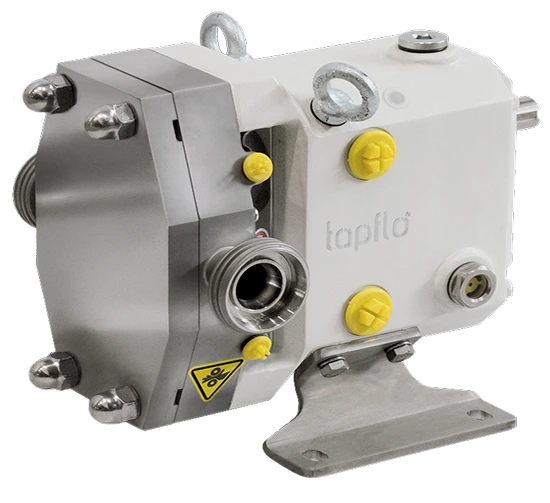

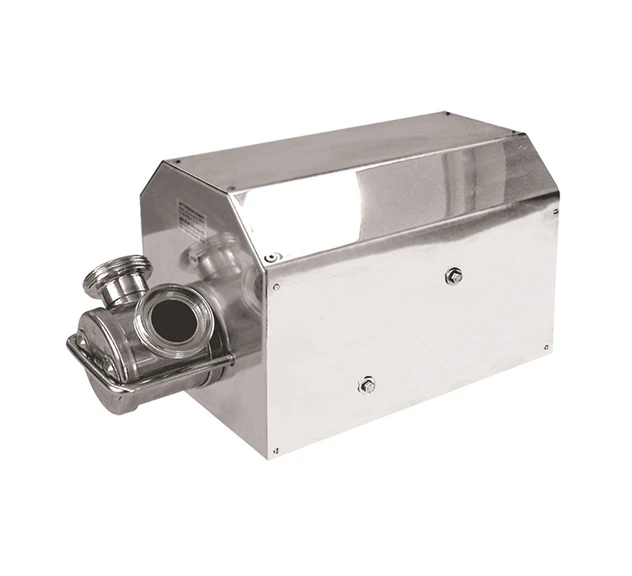
LPX Lobe Pump
see more information
LPX Lobe Pump

filter

Results 37-44 of 44
Results 37-44 of 44

Features & Advantages of Cosmetic Pumps

  • Hygienic – Cosmetic Pumps prevent contamination and eliminate the rick of bacterial growth by using
  • Compliant – They adhere to strict hygiene and safety standards such as FDA-approval and EHEDG-certification.
  • Versatile – A wide range of products with different viscosities and characteristics can be pumped easily
  • CIP/SIP Friendly – Designed for CIP/SIP, allowing for easy cleaning and drainage
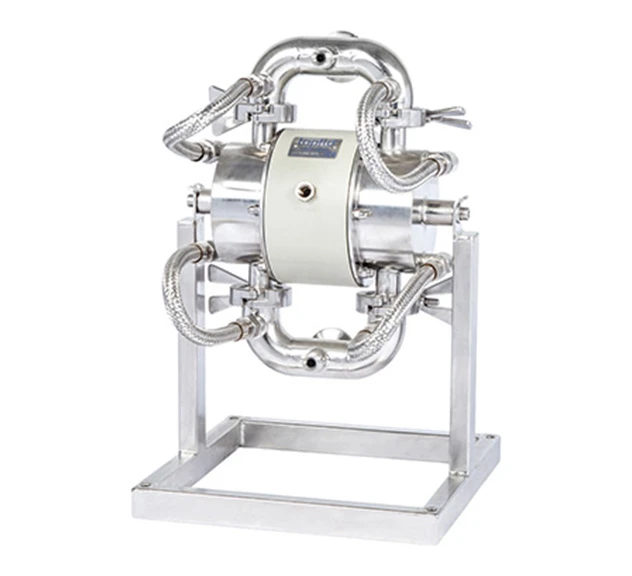
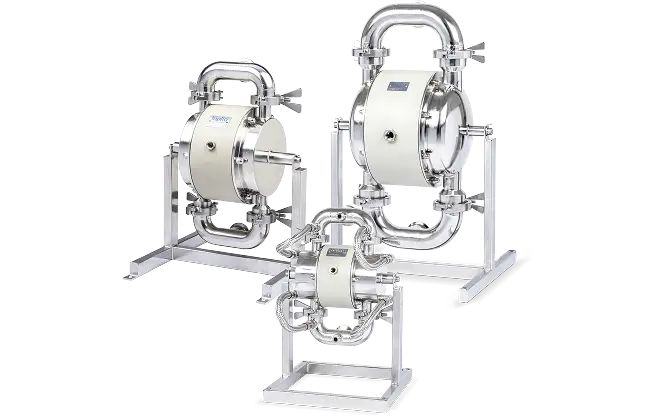
three sanitary diaphragm pumps in different sizes

Learn about Cosmetic Pumps

What are Cosmetic Pumps?

What materials are used in Cosmetic Pumps?

Why is it important that Cosmetic Pumps are sanitary?

What Cosmetic products are commonly pumped via sanitary Cosmetic Pumps?

What do I need to consider when selecting a Cosmetic Pump?

What are Cosmetic Pumps?

Our range of Sanitary Cosmetic Pumps are used for products intended for human use, ensuring strict compliance with FDA & EHEDG standards is vital. Each Pump in this range is compliant, not only the seals, ensuring uncontaminated product.

What materials are used in Cosmetic Pumps?

We use hygienic materials and parts in our Cosmetic pumps that comply with strict FDA and EHEDG standards.

Most commonly used materials within cosmetic pumps are:


  • Electropolished stainless steel
  • PTFE
  • EPDM

Why is it important that Cosmetic Pumps are sanitary?

Cosmetic Pumps must be sanitary as the product being pumped is to be used on humans. The role of sanitary pumps in the cosmetics industry include:


  • Preventing Contamination: in the Cosmetics industry, where products come in direct contact with the skin or are ingested, the prevention of contamination is critical! Sanitary Pumps play a vital role in maintaining the purity of formulations by eliminating the risk of bacterial growth or foreign particle contamination
  • Ensuring Compliance: regulatory bodies demand strict adherence to hygiene and safety standards in Cosmetics manufacturing. The use of FDA-approved or EHEDG-certified Sanitary Pumps becomes non-negotiable to ensure compliance with these standards
  • Preserving Product Integrity: whether it’s pumping toothpaste, shampoos, lotions or perfumes, the integrity of the product must be preserved throughout the manufacturing process. Sanitary Pumps, with their hygienic design and material selection, safeguard the quality and efficacy of cosmetic formulations
  • Versatility for Various Products: the Cosmetics industry encompasses a diverse range of products with different viscosities and characteristics. Sanitary Pumps, such as our Sanitary and Aseptic (EHEDG) Diaphragm Pumps, Sanitary Lobe Pumps and Peristaltic Pumps, offer versatility to handle products like creams, shampoos and even viscous fluids like face scrubs

What Cosmetic products are commonly pumped via sanitary Cosmetic Pumps?

  • Toothpaste
  • Shampoo & conditioners
  • Moisturisers and lotions
  • Perfume
  • Face scrubs
  • Medicines
  • Bath bombs
  • Mouthwash
  • Makeup


…and so much more!

What do I need to consider when selecting a Cosmetic Pump?

  • Application Compatibility: Ensure the pump is suitable for your application, taking into account the type of fluids, viscosity and any special requirements of your industry.
  • Surface Finish: Look for pumps with a smooth surface finish, typically with low roughness (e.g., <0.8 Ra), to minimise bacterial adhesion and facilitate effective cleaning.
  • Hygienic Design: Choose pumps with a hygienic design that minimise dead spaces and crevices where fluids or contaminants could accumulate.
  • Certifications: Check for industry certifications such as EHEDG (European Hygienic Engineering & Design Group) or FDA compliance to ensure the pump meets strict hygiene and safety standards.
  • CIP/SIP Capabilities: Opt for pumps with Clean-In-Place (CIP) and Sterilization-In-Place (SIP) capabilities.
  • Sealing Options: Look for pumps with interchangeable sealing options.
  • Self-Draining Features: Consider pumps with self-draining features, especially if they are vertically mounted.
  • Connection Types and Sizes: Look at the available connection types and sizes (e.g. Tri-Clamp, threaded, DIN, BSP) to ensure compatibility with your system and to facilitate easy integration.
  • Ease of Maintenance: Look at the pump’s design for ease of disassembly and maintenance.
  • Supplier Reputation: Choose reputable suppliers with a track record of providing reliable and high-quality Sanitary Pumps.