lead forensics image

Booster Sets

Consistent water pressure for Commercial & Industrial tasks with a range of mounting options.
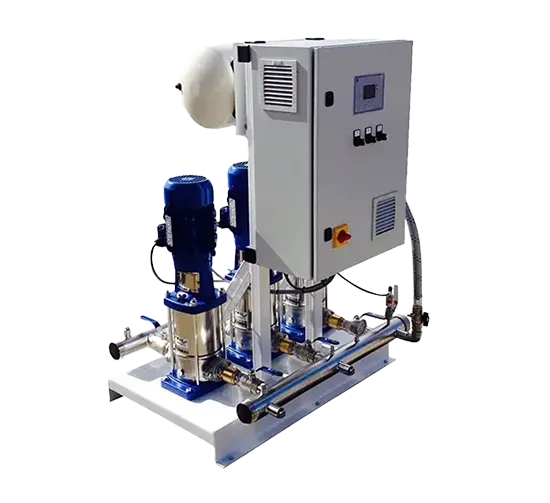
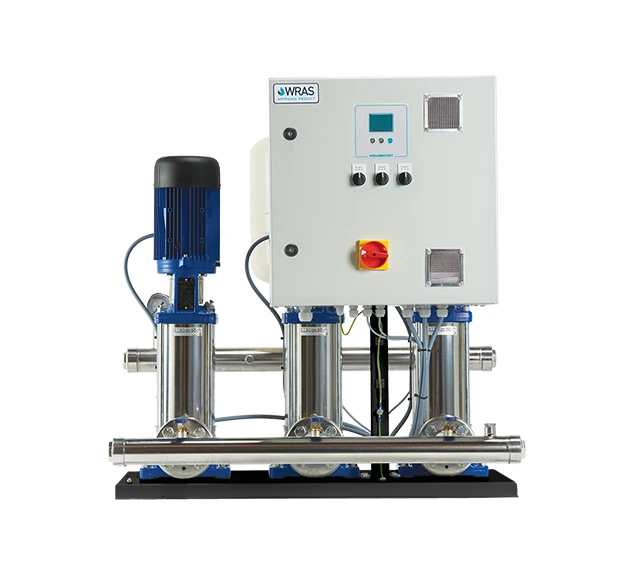
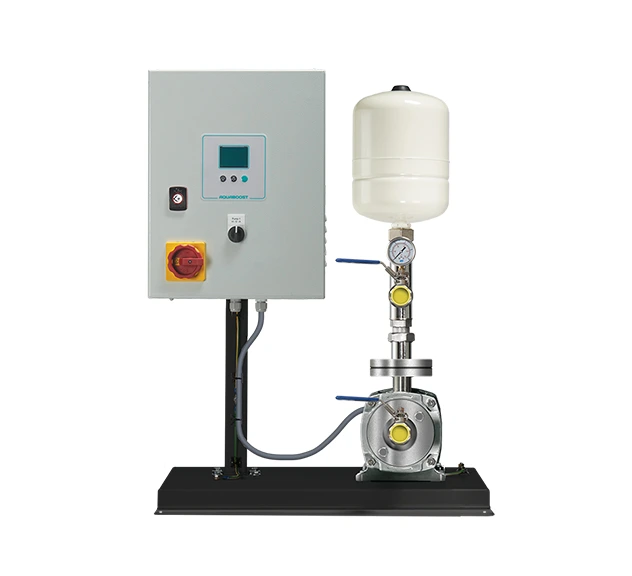
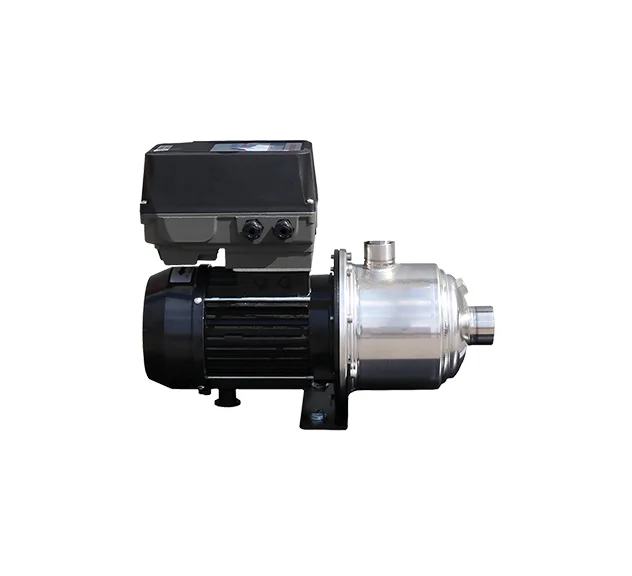
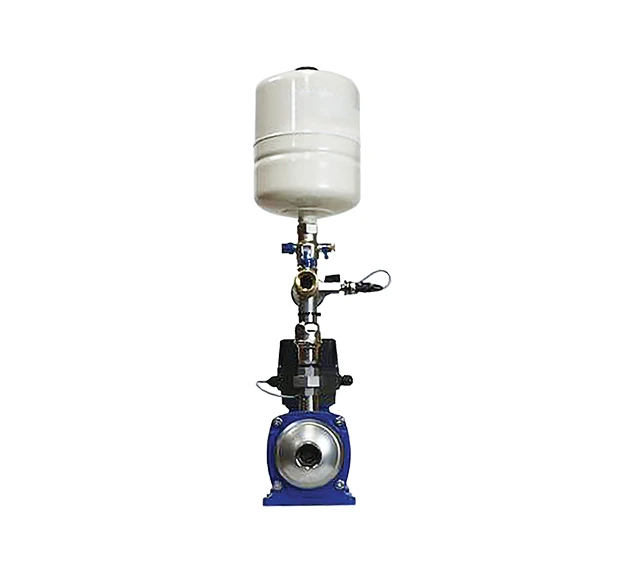
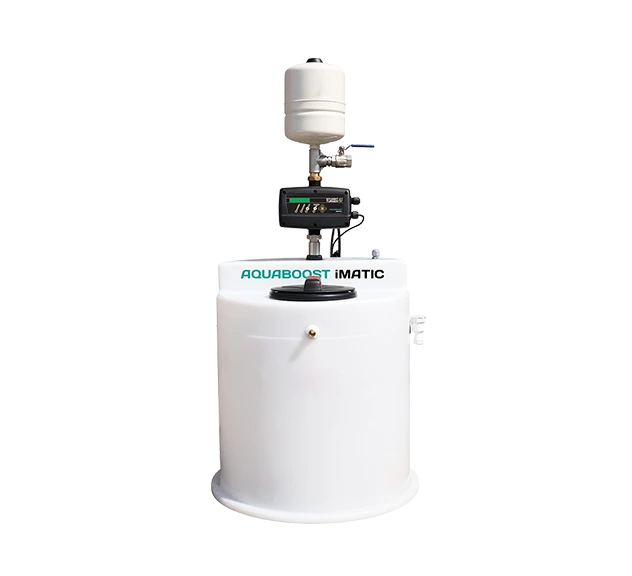
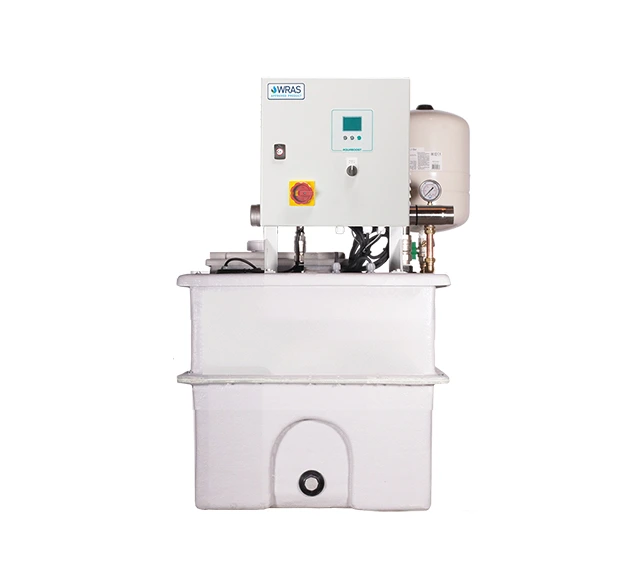
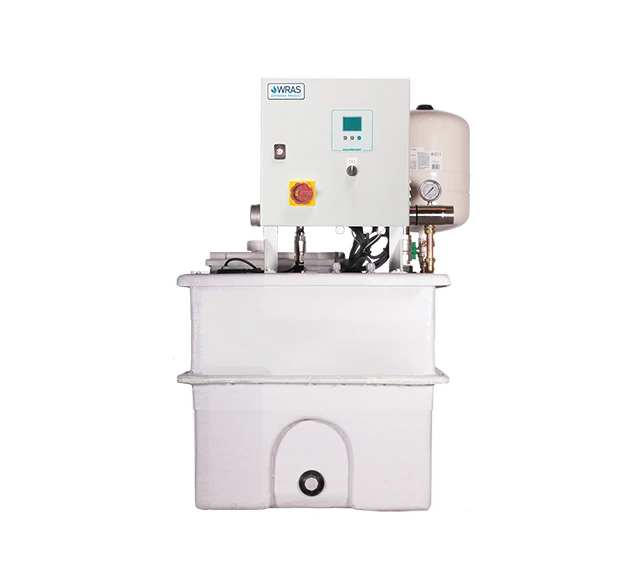
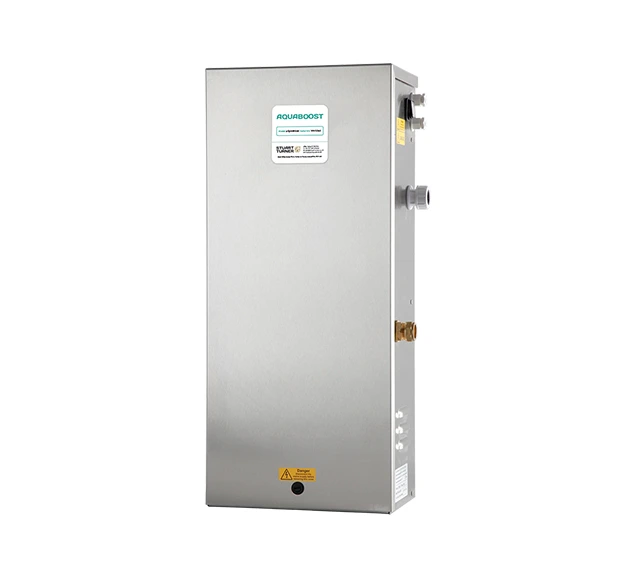
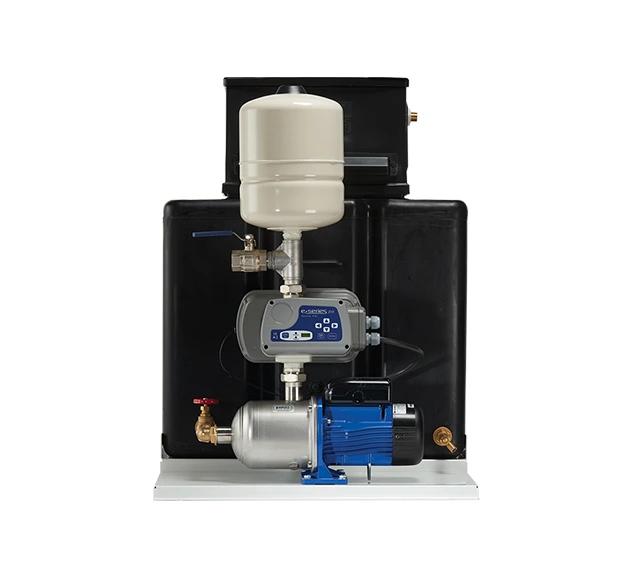
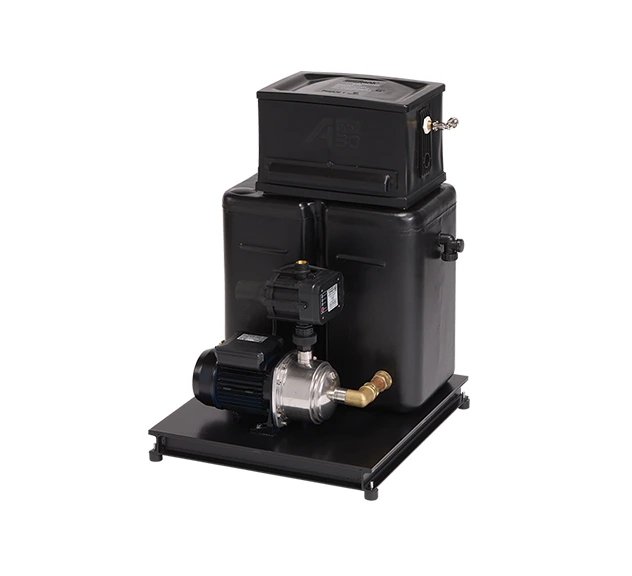
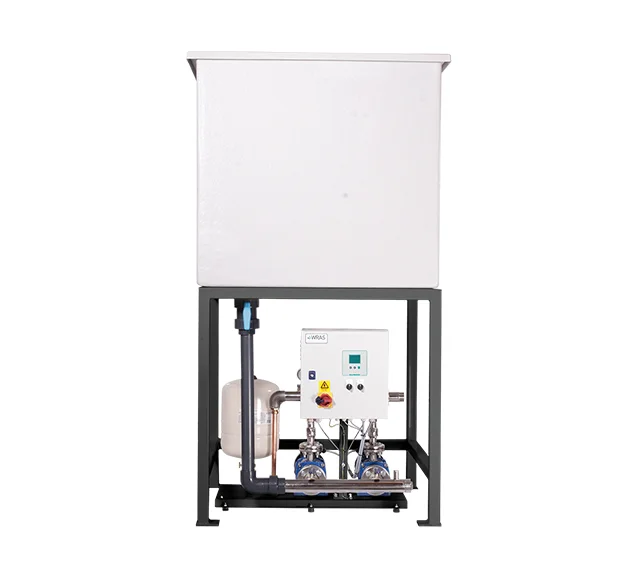
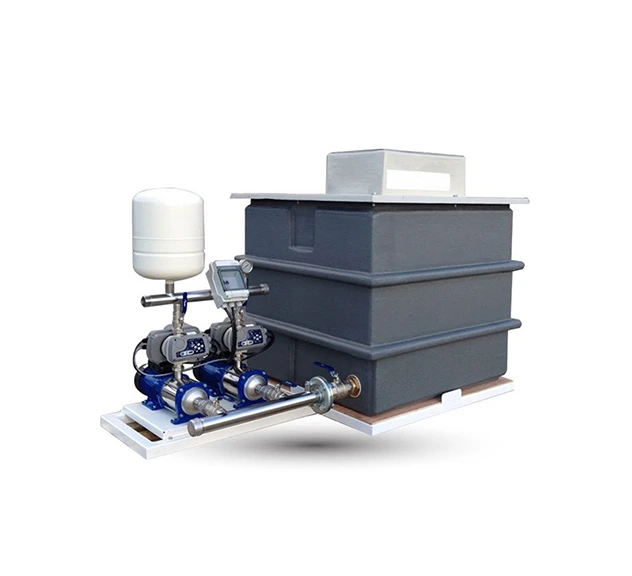
a front/side view of a booster set
see more information
a front/side view of a booster set

filter

Results 1-12 of 13
  • 1
  • 2
Results 1-12 of 13

Features & Advantages of Water Booster Sets

  • Speed Control – Variable speed control for steady pressure and energy efficiency
  • Compact – Space-saving designs with integrated systems
  • Dry Run Protection – Ensures no damage to the seals or motor
  • Low Noise – Quiet operation for sensitive environments
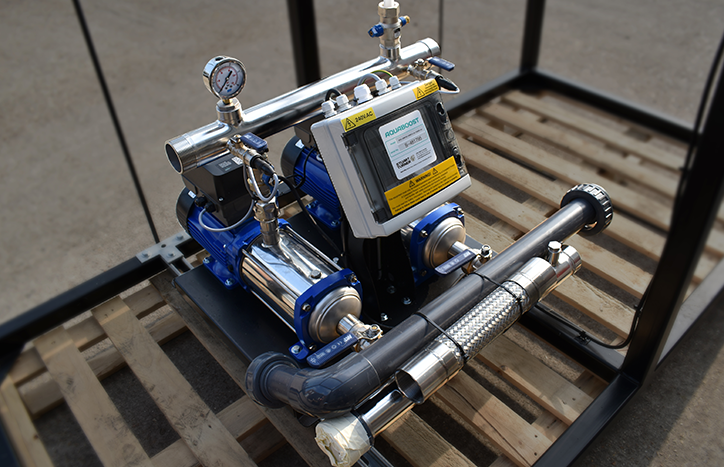
an image of a compact booster set on top of a palette

Learn more about Booster Sets

What are Water Booster Sets?

What are the advantages of Water Booster Sets?

What are the common industries and applications for Water Booster Sets?

What to consider when selecting a Water Booster Pump

What maintenance is required to keep your Water Booster Set running?

What are Water Booster Sets?

Booster Sets are complete pumping systems designed to increase water pressure and flow in residential, commercial, and industrial applications. They typically consist of one or more pumps, a control panel, pressure vessels, and optional water storage tanks. These systems are essential in environments where mains water pressure is insufficient to meet demand.

What are the advantages of Water Booster Sets?

Water booster sets have many advantages including:


  • Variable speed control for efficient energy use and steady pressure
  • Automatic duty rotation and assist/standby modes to extend system life
  • Dry run protection
  • Start-up Safe Mode to prevent hydraulic shock after power loss
  • Low-noise operation, ideal for sensitive environments
  • WRAS and KIWA Regulation 4 certified components (on select models)
  • Compact, space-saving designs, especially with integrated systems
  • BMS integration via RS485 MODBUS and volt-free contacts
  • Tailored options for CAT 5 backflow prevention requirements
  • Comprehensive accessories for system optimisation and protection

What are the common industries and applications for Water Booster Sets?

The most common applications and industries include:


  • Commercial: Hotels, schools, offices, care homes, retail
  • Industrial: Manufacturing, processing facilities
  • Domestic: Homes, apartments, housing developments
  • Specialty: Laboratories, veterinary clinics, bin wash areas, stables, and more

What to consider when selecting a Water Booster Pump

To ensure the right system for your needs, consider the following:


  • What is the required flow rate and pressure? Know your peak and average demand.
  • Do you have a mains water supply or a break tank? Select systems with or without integrated storage accordingly.
  • How many outlets or zones need pressure boosting? This affects the number of pumps required.
  • Is a WRAS/KIWA-approved system required? For potable or regulated installations.
  • Is noise a concern? Choose systems with quiet pumps or acoustic covers.
  • Do you require Category 5 protection? Systems with AB air gaps and certified tanks may be needed.
  • Will the system integrate with a Building Management System (BMS)? Ensure MODBUS or volt-free outputs are available.
  • Installation Space & Access: Integrated and gantry-mounted options are ideal where space is limited or access is restricted.
  • Pump Configuration: Choose single, twin, or triple pumps based on redundancy needs and demand patterns.
  • Control Features: Advanced systems offer diagnostics, password protection, and graphical interfaces for user-friendly operation.
  • Backflow Prevention: CAT 5 systems protect potable water from contamination risks—essential in washdown, bin store, and lab environments.
  • Optional Accessories: Enhance performance with Anti-Surge Air Valves, Expansion Vessels, Float Switches, Flexible Hoses, Anti-Vibration Mounts and Water Conditioners

What maintenance is required to keep your Water Booster Set running?

  • Inspect and test dry run protection functionality
  • Clean pressure transducers and check pressure vessels for charge
  • Inspect electrical connections and inverter operation
  • Check pump seals and impellers periodically for wear
  • Log and review system fault history (available on control panel)
  • Ensure anti-vibration mounts and flexible hoses remain secure
  • Check water tank levels and float switches in integrated systems
  • Clean or replace inlet strainers and filters as required