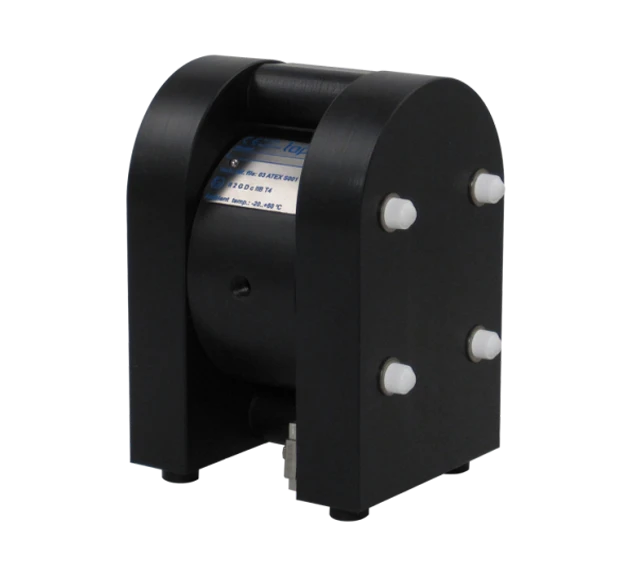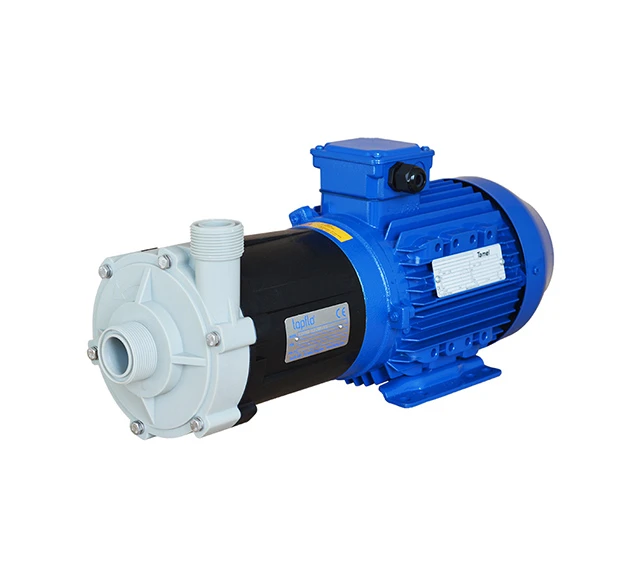







With extensive expertise in surface treatment solutions, Tapflo offers a range of high-quality pumps ideally suited to the surface treatment industry.
Surface Treatment Solutions - Stages and Definitions
What is Surface Treatment?
Surface treatment encompasses a range of techniques for modifying the surface materials, predominantly metals and polymers.
This procedure enhances properties such as corrosion resistance, longevity, adhesion, and appearance.
These alterations can modify the metal finish, making the metal suitable for a broader range of applications and processes.
Creating a safe process in Industrial Surface Treatment
In surface Treatment applications such as galvanisation, plating, degreasing, pickling, coating/painting, and etching, many hazardous chemicals are used. Therefore, the process from start to finish and the post-treatment phase should be carried out with care. Safe and reliable pumps and filters are important components in helping create a safe process.
Process, Fluid & Chemical examples in Metal Surface Treatment
- Zinc: Electrolytic zinc plating, Alcalic zinc, Zinc-iron, Zinc-nickel, Acid Zinc
- Hexavalent Chromium-free plating
- Chromates/Passivation
- Chemical nickel
- Coatings: Anodic coating, Organic coating
Duties for Pumps & Filters in Surface Treatment
- Baths: Degreasing, Pickling, Alkaline, Acid, Electroplating, Waste from bath drum
- Drum handling
- Filter press feeding
What is Galvanisation?
Galvanisation is the most widely used method to prevent the corrosion of iron and steel. The process consists of coating the metal with a zinc layer by submerging it in a molten zinc bath at high temperature (about 450 °C). Galvanisation is achieved when the metal contacts the hot zinc, creating a metallurgical reaction that produces a series of zinc-iron alloy layers on the surface.
The final product is a protective zinc coating that protects the iron or steel from harsh environments by preventing rusting. To secure the metallurgical reaction and achieve a quality coating, the surface of the metal must be chemically clean. The preparation of the surface is essential before galvanising, and types of contamination like grease and dirt are removed by a variety of processes.
What is Plating?
The metal plating process involves creating a thin layer of metal (nickel, copper, chromium or other metal) that coats a substrate. Metal plating offers numerous benefits for metal and other materials, such as enhancing appearance and inhibiting corrosion. The plating manufacturing process can be achieved through electroplating, which requires an electric current, or through electrolysis plating, which is included in an autocatalytic chemical process.
Plating Benefits:
- Improved corrosion resistance
- Decorative appeal
- Increased solderability
- Enhanced strength
- Reduced friction
- Altered conductivity
- Enhanced paint adhesion
- Increased magnetism
What is Degreasing?
Degreasing covers a wide range of applications across almost every industry, particularly in wash bays for metals. In the process, degreasing chemicals are used to remove dirt, oil and other inorganic material from surfaces. Acid and alkali degreasers remove oils and other soils through aggressive chemical reactions. These are toxic acids that require safe handling and automation processes to avoid harm to workers and minimise the environmental impact.
What is Coating and Painting?
Coatings provide two primary functions: decoration and protection. Without coatings, product life might be drastically shortened, and many products would not even be marketable. Most of the remaining coatings, called “special purpose,” are used for miscellaneous applications such as traffic paints, vehicle refinishing, high-performance coatings for industrial plants and equipment, and protection of marine structures and vessels. These are usually applied outdoors in ambient conditions.
What is Etching?
Chemical milling, photo etching and metal etching are highly specific, controlled methods for manufacturing parts and components. The etching process involves utilising temperature-controlled etchants, such as ferric chloride, to remove the metal’s top surface. The final result can produce items that appear engraved, formed from a single sheet of metal, regardless of how intricate or complex the design.
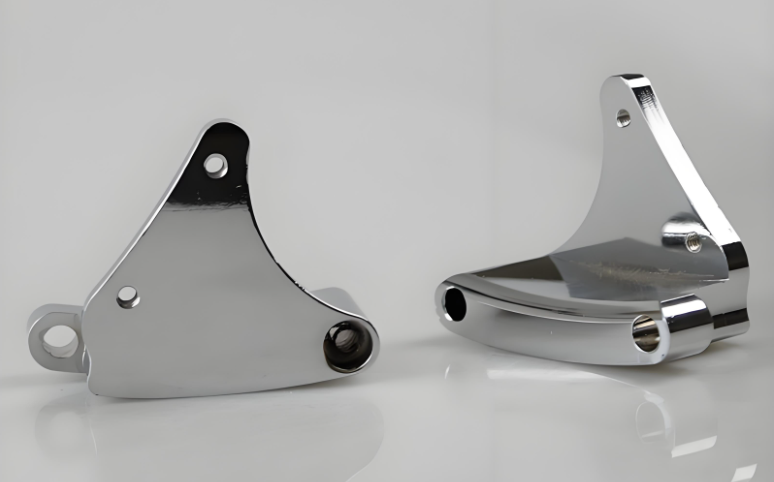
Tapflo's Surface Treatment Solutions
Tapflo UK supply a wide range of Surface Treatment pumping solutions that fit the exact needs of the above processes, and are manufactured from the highest quality materials and ATEX-rating, ensuring a safe, robust and reliable performance.
Some great options include the below:
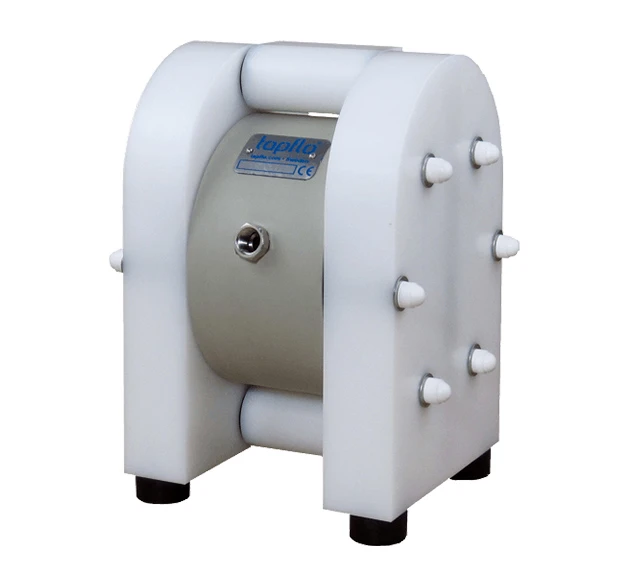
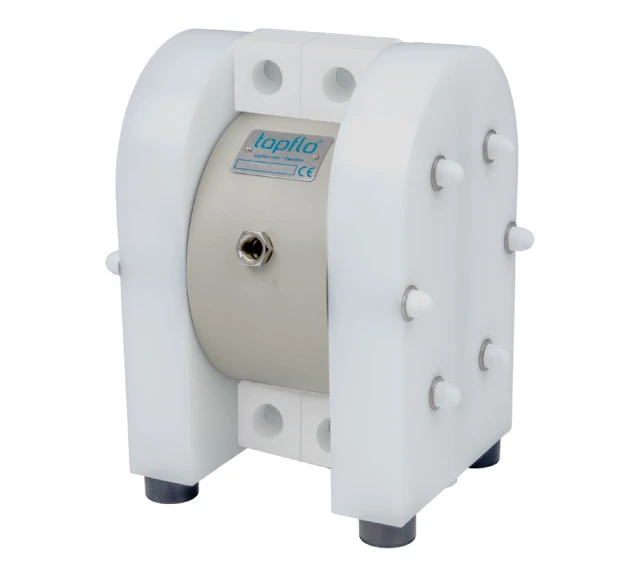
HDPE & PTFE AOD Pump
Tapflo’s HDPE & PTFE Air Operated Diaphragm Pumps are ideal for viscous and chemically aggressive liquids, self-prime up to 9m, deliver discharge pressures up to 16 Bar and can handle temperatures of up to 100°C.
With a range of pneumatic accessories available to support the pumping process, control & maintenance of the pump, these are versatile pumping solutions for your applications.
Magnetically Driven and Sealed Centrifugal Pumps within Surface Treatment Applications
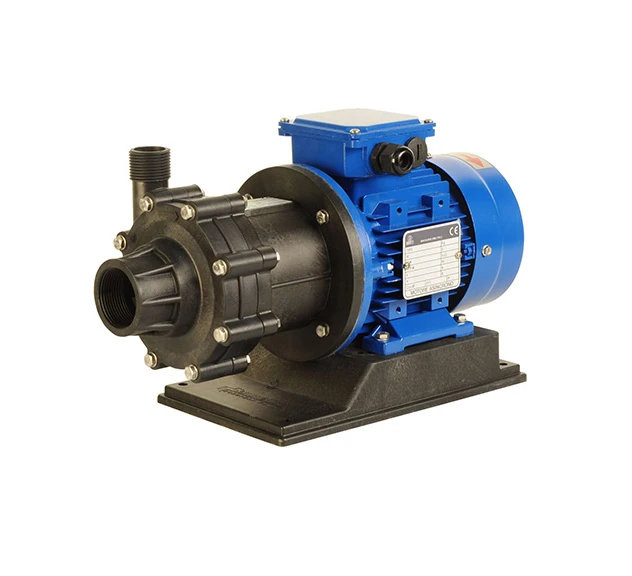
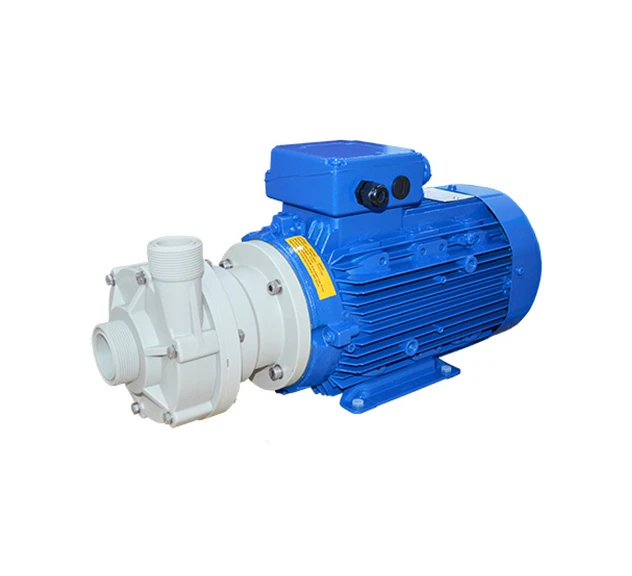
Magnetic Pumps are used in industries where leakage of the agent being pumped could cause damage, such as in the chemical or nuclear industries.
We supply Magnetically Driven Centrifugal Pumps and Magnetically Sealed Centrifugal Pumps suited to Surface Treatment applications as they offer superior mechanical strength and excellent corrosion resistance for various industrial applications. Differing from the general pumping mechanism, they are designed to connect the motor to the pump by magnets instead of a direct mechanical shaft.
These pumps are highly versatile and robust; they can withstand temperatures of up to 160°C, up to 6 bar of pressure, and most models offer dry-run protection.
With minimal steps between manufacturer and end-user, the price and availability of the pumps make Tapflo a leading UK industrial pump supplier.
To see our full range of Surface Treatment solutions, visit our application catalogue page: https://www.tapflopumps.co.uk/catalogue/?industry=46
Need any further help selecting the best option for your application?
Phone our sales experts today on 023 9206 2145 or email us at enquiries@tapflopumps.co.uk