BY TYPE
BY APPLICATION
BY BRAND







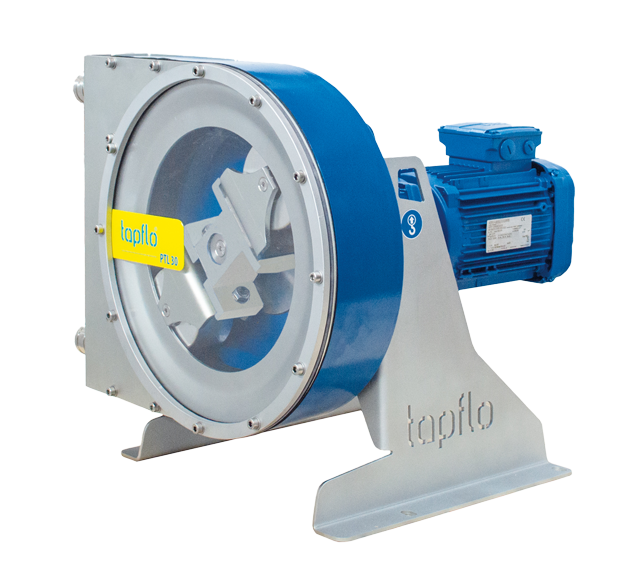
Low-Pressure Peristaltic Pump
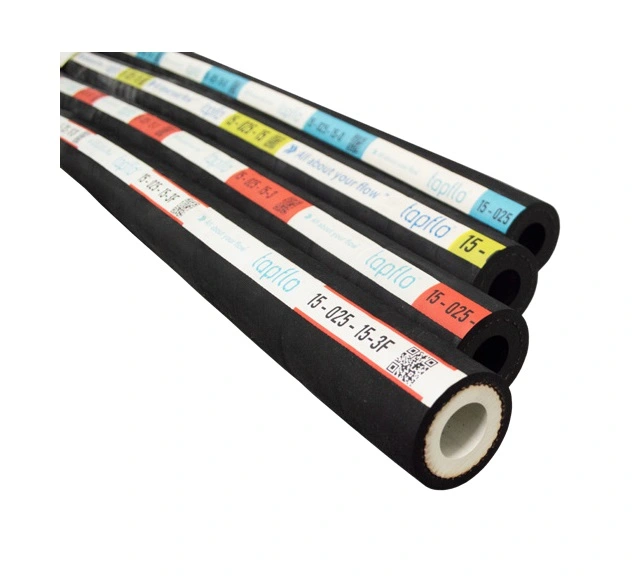
Peristaltic Pump Hoses
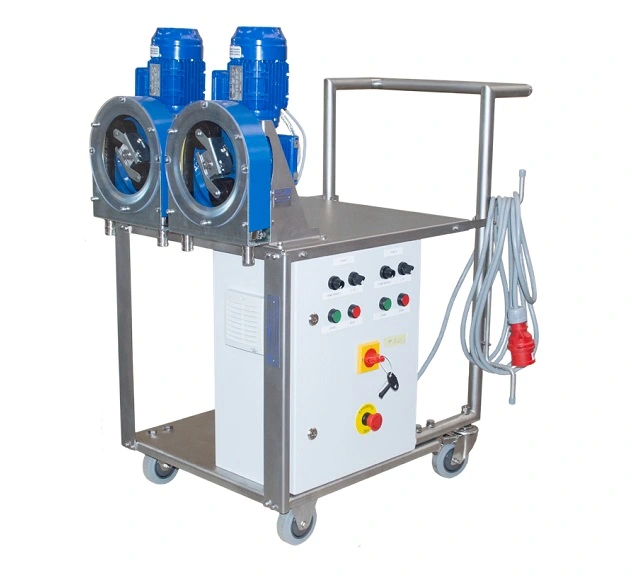
Electrical Cabinets
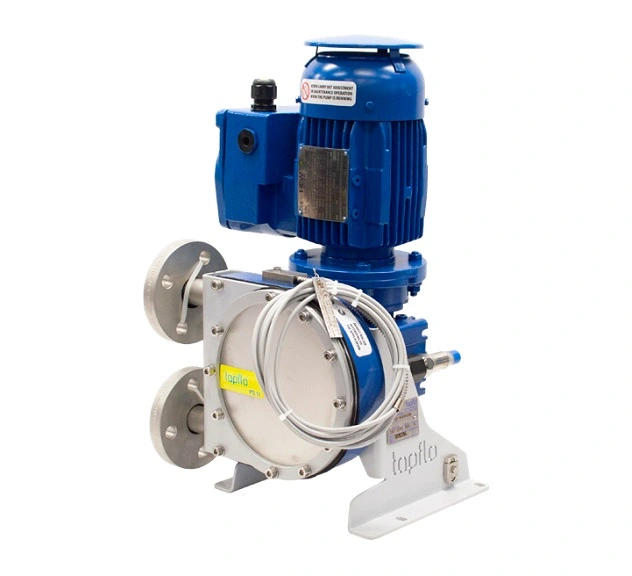
ATEX model
The widest Hose Pump range on the market
Our Low-Pressure Peristaltic Pump is an efficient and versatile pumping solution designed to deliver consistent performance while ensuring product integrity and hygiene standards. This pump is well-suited to pumping highly abrasive, corrosive and viscous liquids containing solids.
Featuring a roller design, food-approved silicone lubricant, and aluminium housing, these pumps ensure safe and hygienic operation. Horizontal and vertical motor positions are available for increased versatility.
Typical applications for this pump include:
| Specification | Description |
|---|---|
| Max Capacity (m³/hr) | 5 |
| Max viscosity (cPs) | 12,000 |
| Max Temperature | 80ºC |
| Max Discharge Pressure (Bar) | 4 |
| Max Suction Lift (m) | 9 |
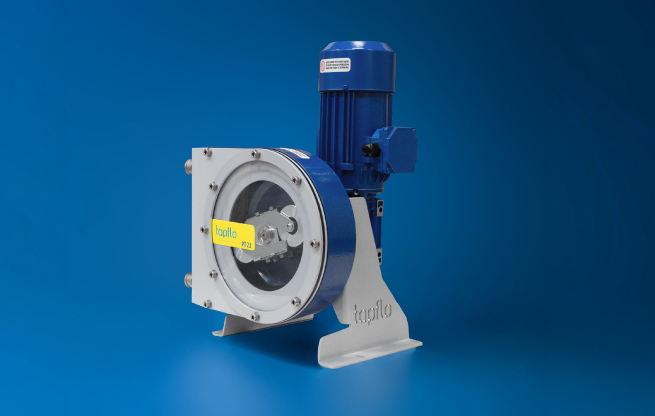
Our flexible hose assemblies and accessories for Peristaltic Pumps are custom-made for a wide variety of applications and industries. This range includes but is not limited to:
We can supply our hoses in cut lengths, swaged with your required connection type, or clamped from our vast selection of clamp types, such as Jubilee Clips or Mikalor Clamps.
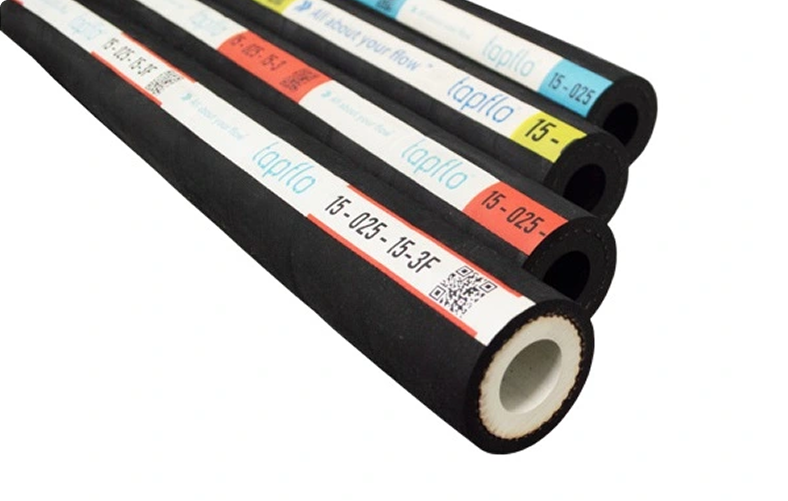
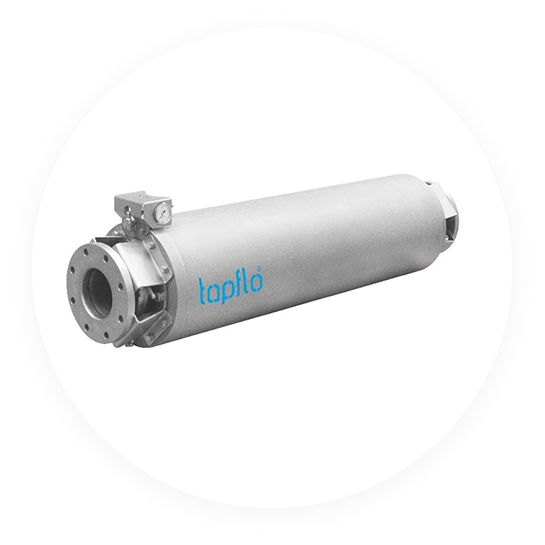
Significantly reduces discharge pulsation, vibrations and noise
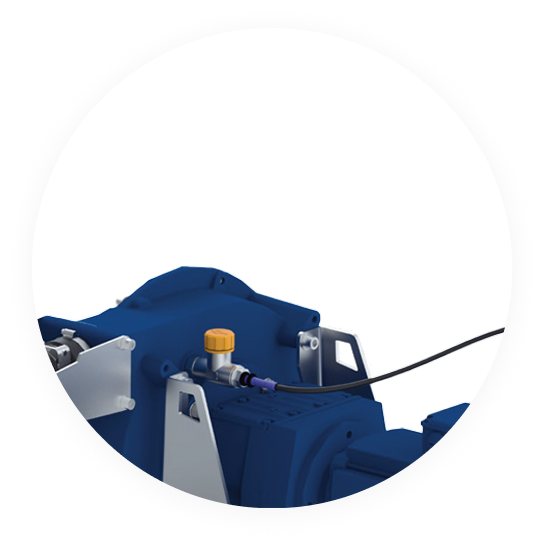
Designed to stop the pump on detection of leakages
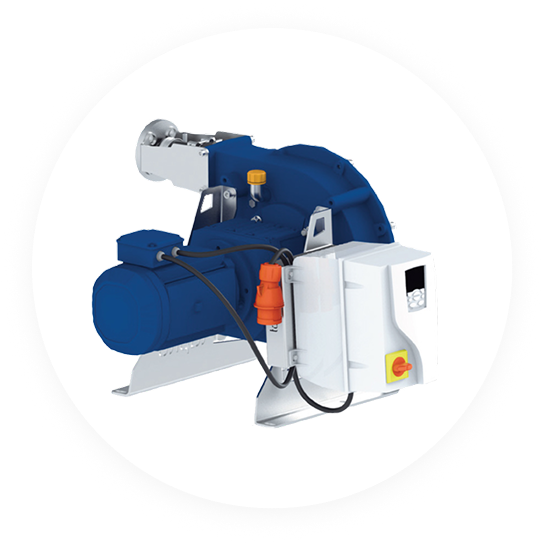
Directly mounted to the pump, ideal for speed control
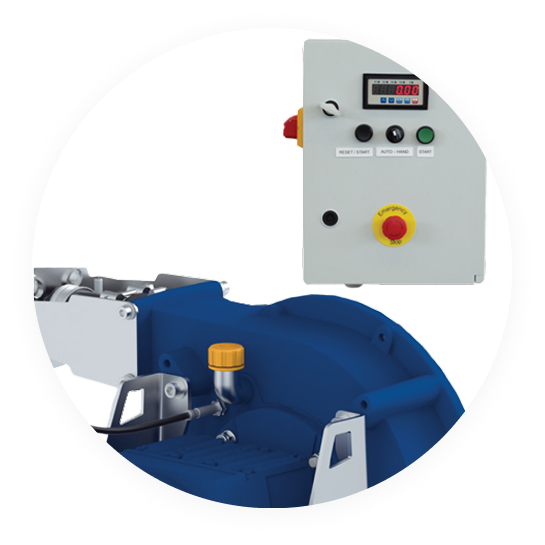
Allows for efficient monitoring of the number of rotor revolutions
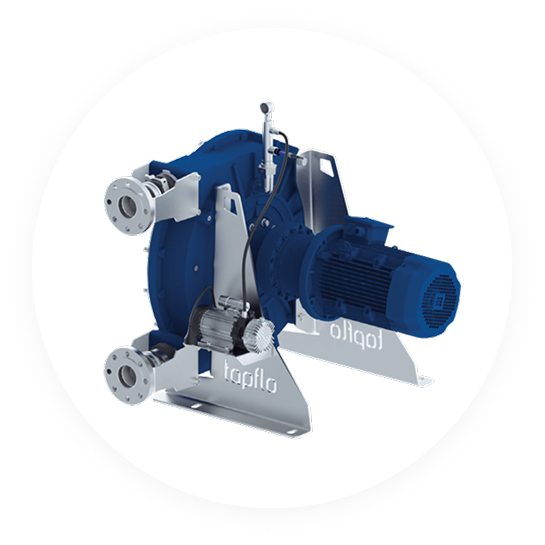
Designed for viscous applications, ensures the hose returns to its original shape
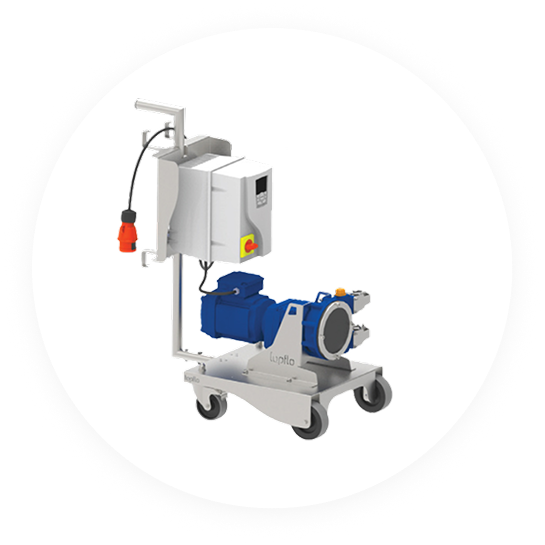
Designed to enhance mobility and enable pump stability
Peristaltic Pumps, often referred to as Hose Pumps, are Positive Displacement Pumps that move fluid through a flexible hose. As the media is contained entirely within the hose, no other pump components come into contact with the fluid, making them ideal for a wide range of applications. Available in both low- and high-pressure models, Peristaltic Pumps also provide exceptional self-priming performance of up to 9 metres.
Peristaltic Pumps can be used for a wide range of applications, specifically those containing solids as the hose maintains shape, protecting the media within the pump.
Yes, Peristaltic Pumps are highly self-priming. They can remove air from the suction line and pump chamber to create a vacuum, allowing fluid to be drawn into the system automatically.
Yes, Peristaltic Pumps are designed to run dry safely, enabling operation in the absence of fluid without adversely affecting pump performance or integrity.
We’ve developed our own hose life expectancy calculator. By factoring in your working parameters, it gives you an estimated hose lifespan, so you can stay ahead of your PPM schedule rather than reacting after the fact.
Curious what yours would be? Get in touch today and we’ll provide a no-obligation hose life estimate tailored to your application.
We don’t just sell pumps; we also provide repairs and maintenance. Simply get in touch with our team, and we’ll be happy to help.
Everything you need to know about Peristaltic Pumps
Key information and factors to consider when selecting a Peristaltic Pump for your sector.
A custom system using a Peristaltic Pump for Gootopia’s slime vending machine!
The difference between low and high pressure Peristaltic Pumps