lead forensics image

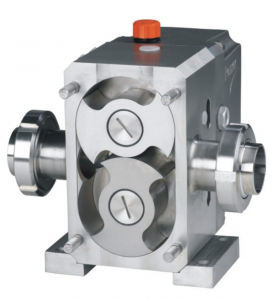
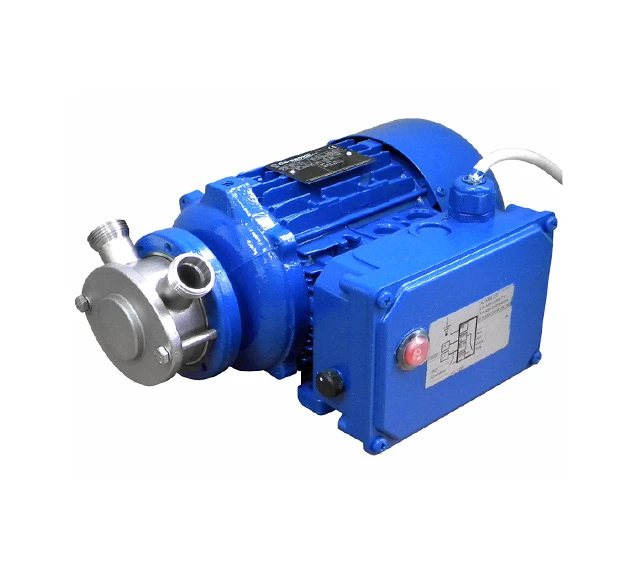
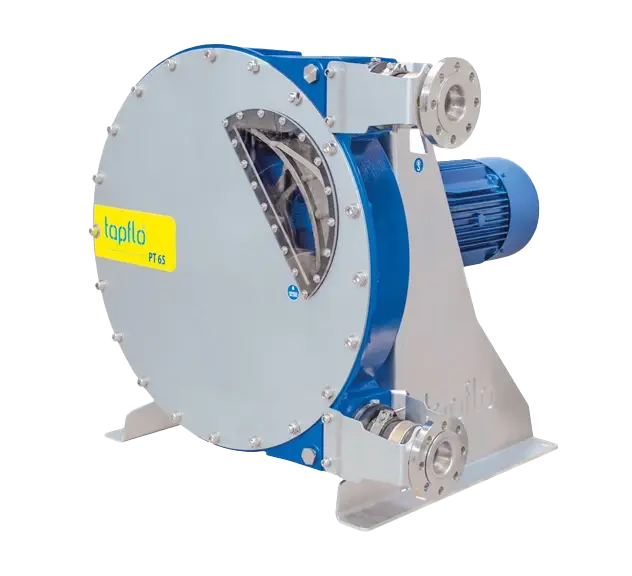
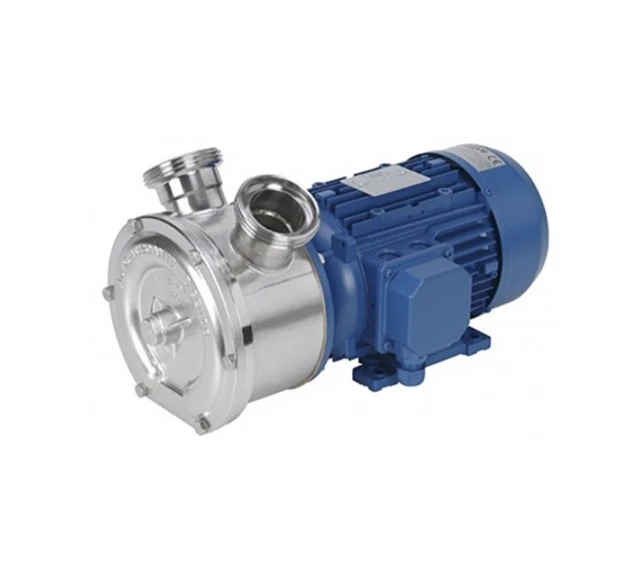
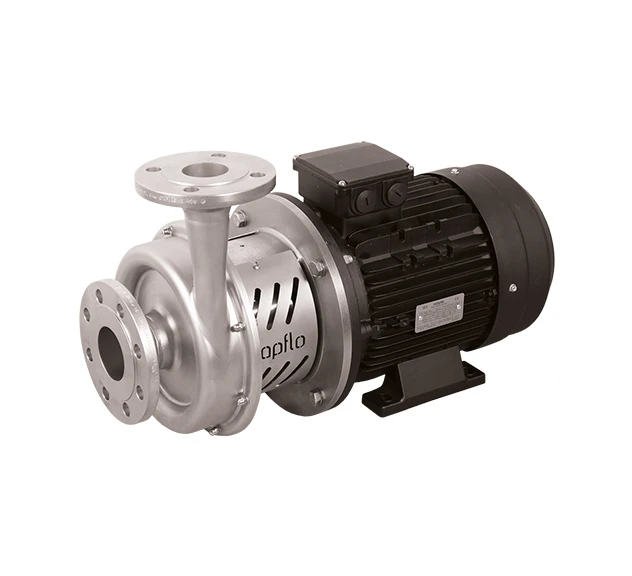
EHEDG & FDA-Approved Hygienic Pumps

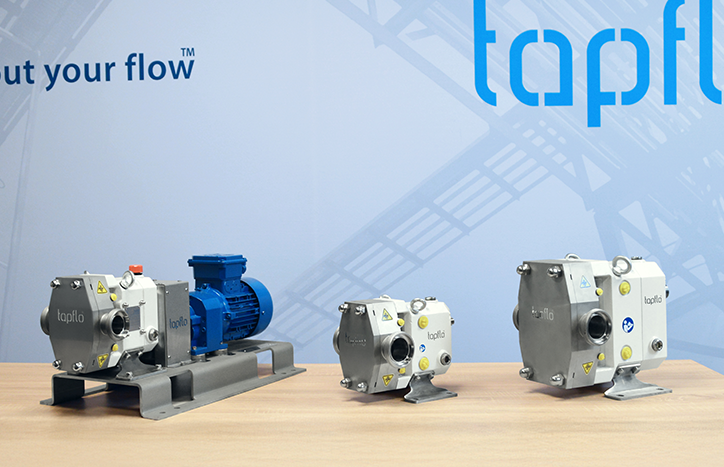
Constructed from premium 316 stainless steel, engineered for high-purity processing and safe, precise handling of products.

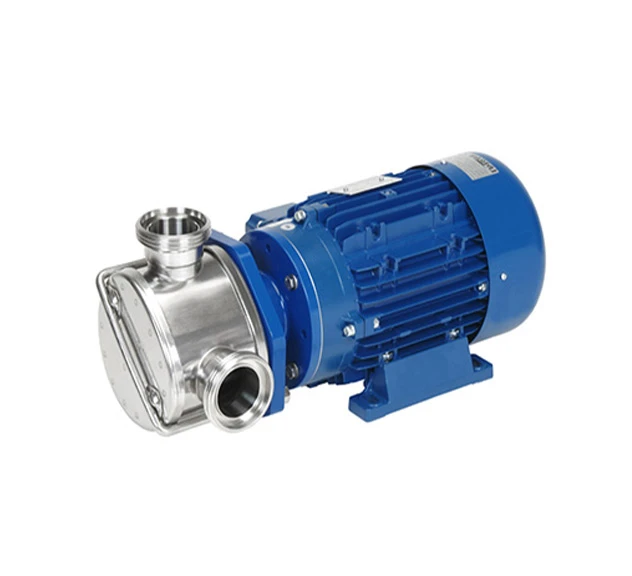
high performance centrifugal pump
see more information
high performance centrifugal pump

filter

Results 13-24 of 62
Results 13-24 of 62

Features & Advantages of Hygienic Pumps

  • Hygienic – Built with the highest standards and constructed from electropolished Stainless Steel and no hidden areas for bacteria to grow
  • CIP & SIP Friendly – Manufactured for CIP & SIP, making cleaning and draining easy and efficient
  • Certified – Comply with FDA & EHEDG standards, making it safe to use on products for humans
  • Customisable – Pumps can be tailored to meet your exact requirements
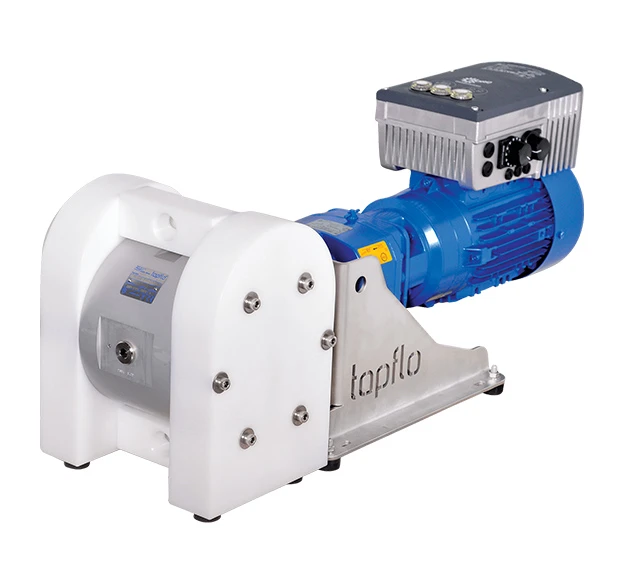
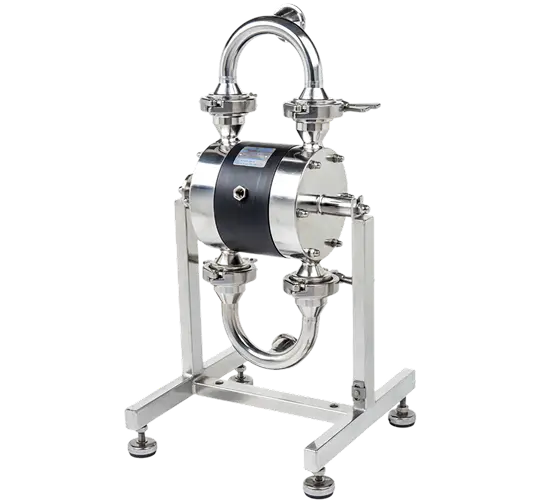
A picture of our Aseptic EHEDG-certified Diaphragm Pump

Learn more about Hygienic Pumps

What are Hygienic Pumps?

Why is having a hygienic pump important?

What industries require hygienic/sanitary pumps?

What are the advantages of Hygienic Pumps?

How to maintain hygiene with Hygienic Pumps

Can accessories be added to Hygienic Pumps?

What to consider when choosing a Hygienic Pump

What are Hygienic Pumps?

Tapflo stock a range of Hygienic Pumps that are ideal for high-purity processing. Built from Stainless Steel 316 for safe and precise handling of products intended for human consumption. By understanding your fluid data, we tailor solutions to your exact needs.

Why is having a hygienic pump important?

When dealing with food, beverage, pharmaceutical or cosmetic products, maintaining hygiene is vital to ensure product safety and quality. Pumps used in these industries must comply with strict hygiene standards, such as being FDA-approved and designed for easy cleaning. Pumps with smooth internal surfaces prevent bacterial build-up, while Clean in Place (CIP) systems ensure that your equipment stays free from residue that could contaminate the next batch.


Hygienic certifications like FDA approval, EHEDG (European Hygienic Engineering & Design Group) certification, and 3-A Sanitary Standards ensure that food-grade pumps and systems are built to the highest sanitary standards. These certifications guarantee that pumps have smooth, crevice-free internal surfaces, preventing bacteria build-up and making cleaning easier through CIP (Clean in Place) procedures.


Our guide on the importance of using Sanitary Pumps for critical, high-risk applications covers all you need to know to ensure ultimate hygiene levels for your operation.

What industries require hygienic/sanitary pumps?

The industries that require hygienic and sanitary pumps are:


  • Food
  • Beverage
  • Cosmetic
  • Pharmaceutical


Any industry that is producing a product that will come into contact or be consumed by people needs to be handled by a hygienic pump to ensure that it maintains high-quality standards.

What are the advantages of Hygienic Pumps?

Tapflo’s extensive range of hygienic and sanitary pumps are built with the highest standard and FDA approval, advantages include:


  • Hygienic Materials: Stainless Steel and electropolished Stainless Steel ensure that hygiene standards are maintained to facilitate easy cleaning.
  • CIP and SIP: These pumps are manufactured for CIP & SIP which makes cleaning extremely easy and efficient.
  • Certified: Tapflo’s range of sanitary pumps comply with FDA & EHEDG standards and are safe to use for products used on humans.

How to maintain hygiene with Hygienic Pumps

Many hygienic pumps support CIP or SIP (Clean In Place or Sterilisation In Place). This ensures that the pump can be cleaned efficiently as the pump can be cleaned when the pipework is flushed through, without having to remove the pump from its installation.

Can accessories be added to Hygienic Pumps?

Yes, accessories like heating jackets, frequency inverters, valves and batch controllers can be added onto certain pumps if needed.

What to consider when choosing a Hygienic Pump

  • Application Compatibility: Ensure the pump is suitable for your application, taking into account the type of fluids, viscosity and any special requirements of your industry.
  • Surface Finish: Look for pumps with a smooth surface finish, typically with low roughness (e.g., <0.8 Ra), to minimise bacterial adhesion and facilitate effective cleaning.
  • Hygienic Design: Choose pumps with a hygienic design that minimise dead spaces and crevices where fluids or contaminants could accumulate.
  • Application Compatibility: Ensure the pump is suitable for your application, taking into account the type of fluids, viscosity and any special requirements of your industry.
  • Certifications: Check for industry certifications such as EHEDG (European Hygienic Engineering & Design Group) or FDA compliance to ensure the pump meets strict hygiene and safety standards.
  • CIP/SIP Capabilities: Opt for pumps with Clean-In-Place (CIP) and Sterilization-In-Place (SIP) capabilities.
  • Sealing Options: Look for pumps with interchangeable sealing options.
  • Self-Draining Features: Consider pumps with self-draining features, especially if they are vertically mounted.
  • Connection Types and Sizes: Look at the available connection types and sizes (e.g. Tri-Clamp, threaded, DIN, BSP) to ensure compatibility with your system and to facilitate easy integration.
  • Ease of Maintenance: Look at the pump’s design for ease of disassembly and maintenance.
  • Supplier Reputation: Choose reputable suppliers with a track record of providing reliable and high-quality Sanitary Pump