lead forensics image

Gear Pumps

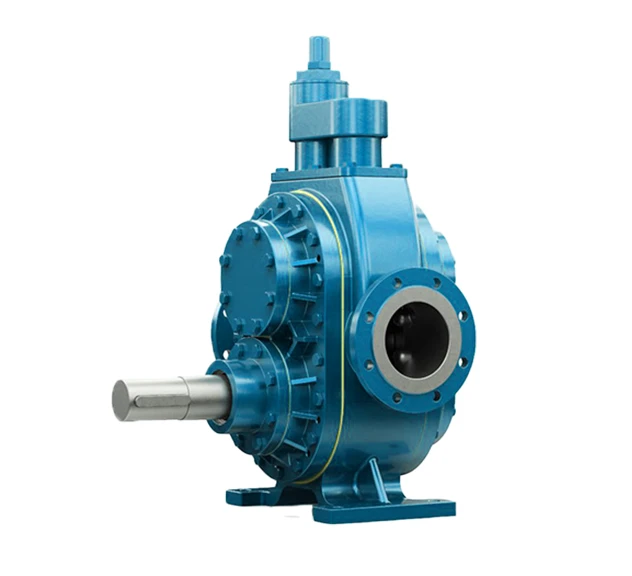
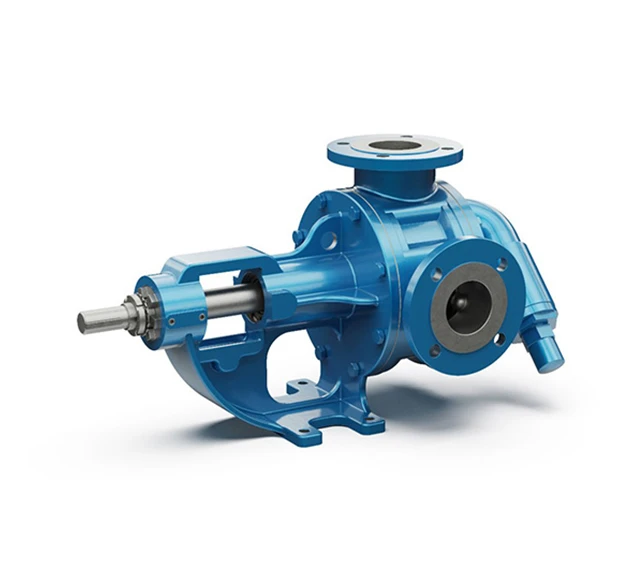
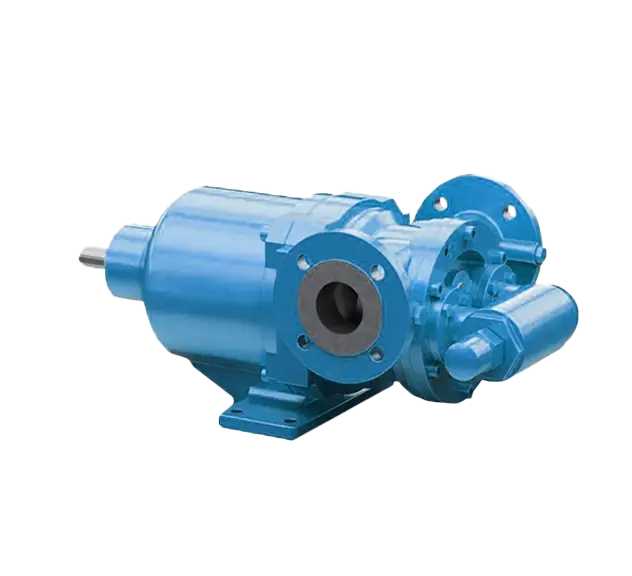
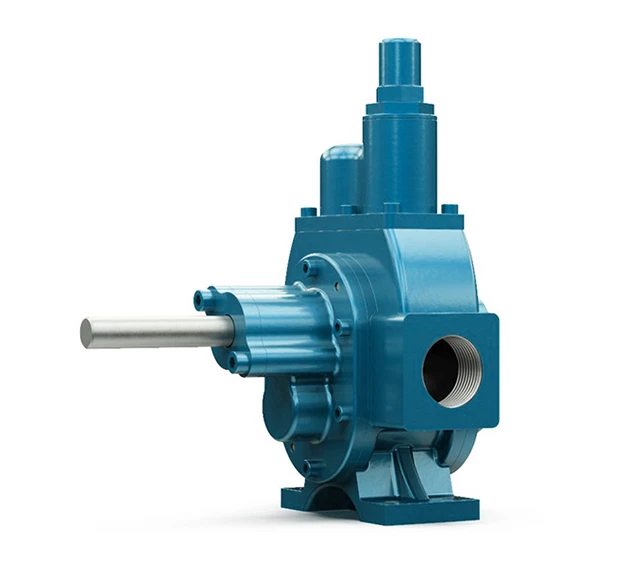
Delivering accurate, pulseless flows at high differential pressures. Ideal for handling medium to high-viscosity fluids across many industries.
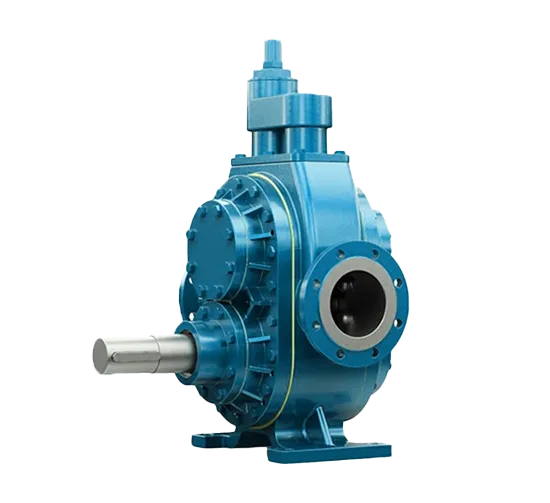

Helical Gear Pump
see more information
Helical Gear Pump

filter

Results 1-5 of 5
Results 1-5 of 5

Features & Advantages of Gear Pumps

  • Accurate – Delivers precise and pulseless flows at all pressures
  • Fluid Handling – Can handle fluids that are too viscous for Centrifugal Pumps
  • Mechanically Efficient – Superior mechanical efficiency across different flow rates and efficient suction lift capabilities
  • Durable – Reliable for continuous duty and ATEX-availability
Gear Pump2

Learn more about Gear Pumps

What is a Gear Pump?

What are the advantages of Gear Pumps?

What are the common industries and applications of Gear Pumps?

Are Gear Pumps self-priming?

Are Gear Pumps suitable for hygienic applications?

What to consider when selecting a Gear Pump

What materials are available for Gear Pumps?

What maintenance is required for Gear Pumps?

What is a Gear Pump?

Gear Pumps are a type of Positive Displacement Pump available in two designs, internal and external gear. They work by enclosing a fixed volume of fluid using interlocking cogs or gears that create a continuous flow of fluid. The external design uses two identical gears rotating next to each other, supported by separate shafts, whereas the internal design consists of two gears of different sizes, with one rotating inside the other.


What are the advantages of Gear Pumps?

Gear Pumps provide numerous benefits and have been engineered to meet the highest safety standards, offering ATEX on request.


  • Accurate and pulseless flow at high differential pressures
  • Can pump fluids too viscous for Centrifugal Pumps
  • Superior mechanical efficiency across varying pressures and flows
  • Efficient suction lift capabilities
  • Bi-directional flow
  • ATEX available

What are the common industries and applications of Gear Pumps?

Gear Pumps are widely recognised for their exceptional fluid transfer capabilities and are well suited to the transfer of viscous and semi-viscous fluids, these can include:


  • Fuels, Oils and Diesel-Fuel Tanks
  • Paints and Dyes
  • Pharmaceutical
  • High volume transfer
  • Transferring molasses
  • Ahesives
  • Solvents
  • Marine

Are Gear Pumps self-priming?

Self-priming means that the pump can create its own suction without the need for additional liquid or air.


Yes, however, only our Magnetic Drive Hot Oil Gear Pump is self-priming up to 6m in water.

Are Gear Pumps suitable for hygienic applications?

Yes, Gear Pumps such as the Magnetically Driven Internal Eccentric, Magnetic Coupled Internal Eccentric, and the Magnetic Drive Hot Oil Gear Pump are suitable for hygienic applications such as food production, cosmetics and pharmaceuticals.

What to consider when selecting a Gear Pump

To choose the appropriate Gear Pump for your application, ask yourself the following questions:


  • What media will be pumped? Consider the chemical composition of the media you will be pumping – is it chemically neutral or corrosive, shear sensitive etc.
  • What is the viscosity of the media you intend to pump? Consider viscosity limitations, shear sensitivity etc.
  • Do you need to pump fluids containing solids?
  • Is your environment or fluid explosive?
  • Will your pump be stationary or do you need it to be portable?

What materials are available for Gear Pumps?

  • Cast Iron
  • Stainless Steel AISI 304/316
  • Cast Steel
  • Steel


Gears are available in various materials to support your application requirements. Some of our materials offer an ATEX option on request for explosive applications and environments.

What maintenance is required for Gear Pumps?

Regular maintenance is crucial to keeping your pump performing at its best and ensuring a long life span. To look after your Gear Pump, you should:


  • Regularly inspect the bearings and replace when necessary
  • Ensure there is enough clearance between gear teeth and chambers
  • Inspect the seals to prevent leakage
  • Check the motor is functioning correctly
  • Monitor the temperature to avoid overheating