BY TYPE
BY APPLICATION
BY BRAND






Official UK partner of Liverani
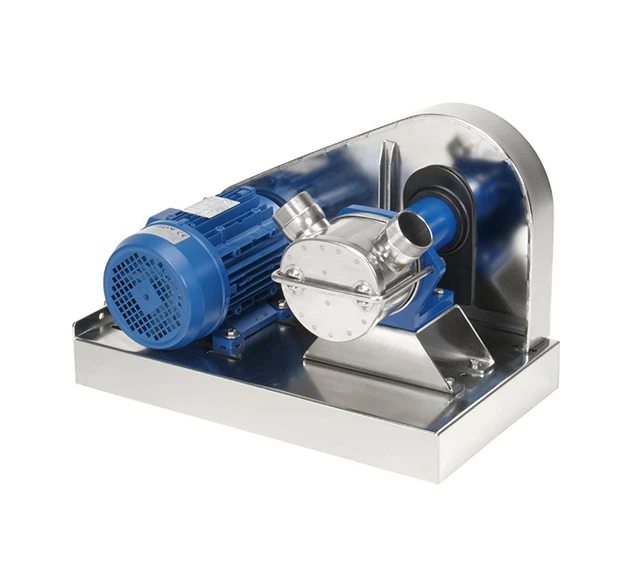
The GR Series V-Belt Drive Flexible Impeller Pump is a self-priming pump designed to handle viscous fluids up to 50,000 cPs. With the ability to self-prime up to 6m from dry, this pump delivers superior suction lift.
This model features a unique belt-driven design that separates the motor from the pump head, preventing overload when handling viscous or solids-laden fluids. Additionally, this pump can be installed on either a baseplate or trolley-mounted and can be supplied with or without a control panel.
Typical applications include:
| Max Flow (m³/hr) | 43.8m³/hr |
| Max Pressure (m) | 24m |
| Max Temperature (°C) | 100°C |
| Max Viscosities (cPs) | Up to 50,000 cPs |
| Self-Priming | Up to 6m from dry |
The GR V-Belt Flexible Impeller Pump is a self-priming positive displacement pump designed for the gentle transfer of viscous and solids-laden liquids. The pump works by trapping fluid between the internal impellers and pushing it from the suction port to the discharge port. Its belt-driven design separates the motor from the pump head, with the belt slipping under excessive load to help protect the motor.
Available with baseplate or trolley mounting and optional control panels, the pump can also be fitted with dry-run protection and manual or spring-loaded bypasses for enhanced performance in demanding applications.
Optional Accessories include:
A custom system using Flexible Impellers for creating faux leather with green waste.
What a Flexible Impeller Pump is, how it works, and how it can be used for your sector.
A mobile pump solution to fill and empty tanks for non-alcoholic botanical drinks.
The pump works by rotating a flexible impeller inside the casing. As the vanes bend, they trap and move liquid and solids from the suction side to the discharge side, creating smooth, pulsation-free flow.
A Centrifugal Pump is a Rotodynamic pump that passes energy from the motor to the liquid, which forces the fluid out of the discharge port. Whereas, the Impeller Pump is a Positive Displacement Pump that traps small amounts of liquid and forces it from the suction to the discharge port.
The GR Series features a V-belt drive that separates the motor from the pump head. This design allows the belt to slip when handling viscous or solids-laden fluids, protecting the motor from overload. This makes it particularly robust and reliable for demanding duties compared to direct-drive alternatives.
Typical applications include oenological, brewery, food and food oils, chemical, cosmetic, pharmaceutical, and wastewater treatment processes.
Yes, they can self-prime up to 6m suction lift from dry.
No. Running dry can damage the impeller or mechanical seal. The GR Series can be fitted with optional dry-run protection, bypasses, or level sensors to help safeguard against this risk.