




This blog explains the importance of ATEX-certified industrial pumps for use in potentially explosive environments, covering how they help reduce ignition risks when handling flammable liquids, vapours, gases, or dusts. It outlines key considerations for selecting ATEX pumps, including certification requirements, suitable pump materials, grounding, and applications across industries such as chemical, pharmaceutical, food, and manufacturing.
What is ATEX
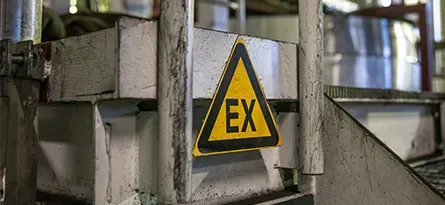
ATEX, which is an abbreviation for ‘Explosive Atmospheres,’ is a certification mandated by law to enhance safety in environments prone to explosive conditions. These environments commonly contain a mixture of gas, vapour and dust which can ignite in certain conditions. This certification encompasses both electrical and mechanical products, categorised based on their risk assessment results.
These electrical and mechanical products are split under the ATEX Directive. Electrical products are required to undergo tests as part of their ATEX certification, whereas non-electrical products can be self-certified.
ATEX Zones
Understanding ATEX zones is vital for selecting the appropriate equipment.
- ATEX Zone 0: Presence of flammable material for extended periods
- ATEX Zone 1: Flammable material likely during normal operation
- ATEX Zone 2: Unlikely presence during normal operation, if it occurs, for a short time
The zone number is followed by G (Gas) and/or D (Dust), indicating the type of explosive material.
Explosive Material Classification
ATEX classifies explosive materials into groups (I, II, III) and assigns a letter for the substance. Temperature classes like T4 or T135° are determined through assessments.
Equipment Protection Level (EPL)
EPL denotes the product’s suitability for specific atmospheres, categorised as:
- EPL_c: Basic requirement for normal operation
- EPL_b: Fine under normal operation, expecting standard malfunctions
- EPL_a: Necessary for high-risk atmospheres, considering various failures
Why ATEX Certification Applies to the Industrial Pump Industry
ATEX certification of a product is required within the Industrial Pump Industry when the product is used in a potentially explosive environment. It is mandatory for products sold in the EU to undergo ATEX certification when used in these conditions. Hazardous areas, such as chemical processing and the paint and varnish industry, are likely to utilise an industrial pump in their factories and will, therefore, need an ATEX-rated pump as there is likely to be a mixture of flammable materials in the atmosphere of these factories.
ATEX Pumps Supplied by Tapflo UK
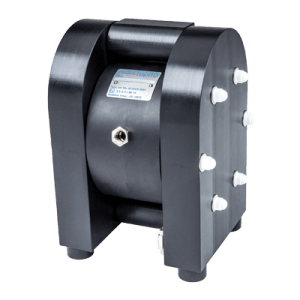
TX ATEX Diaphragm Pumps
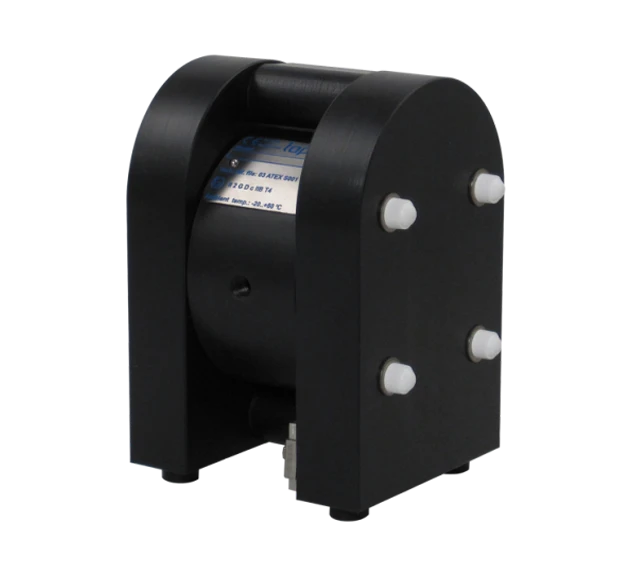
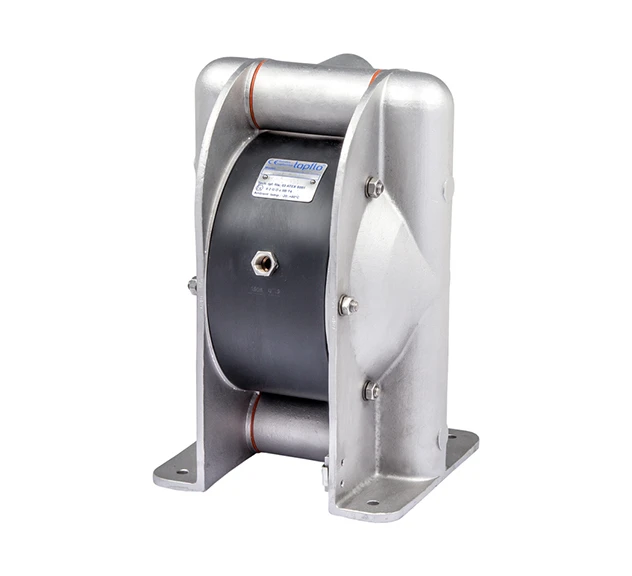
The centre section of our ATEX-rated diaphragm pump is fitted with carbon-filled Polypropylene, aluminium, or Cast Iron, depending on the application/material required. The carbon-filled centre sections are a different colour due to conductive pigments inside the material, which reduces the surface resistance of the pump and ensures that electrostatic charge doesn’t build up inside the pump.
Our TX range of Diaphragm Pumps and our Guardian System is both ATEX rated to Zone 2. It is crucial that all products within a system hold the same ATEX certification to ensure the environment can be classified as ATEX. Our Diaphragm Pumps are available in Metal, HDPE and PTFE materials, and we also offer our Sanitary and Aseptic Diaphragm Pumps as ATEX-rated.
Tapflo now also manufacture a Diaphragm Pump suitable for ATEX Zone 0. The TZ Pump is available across the full Tapflo Diaphragm Pump range, ask the team about this pump using our live chat or call Tapflo UK HQ.
View the full Tapflo ATEX Diaphragm Pump range.
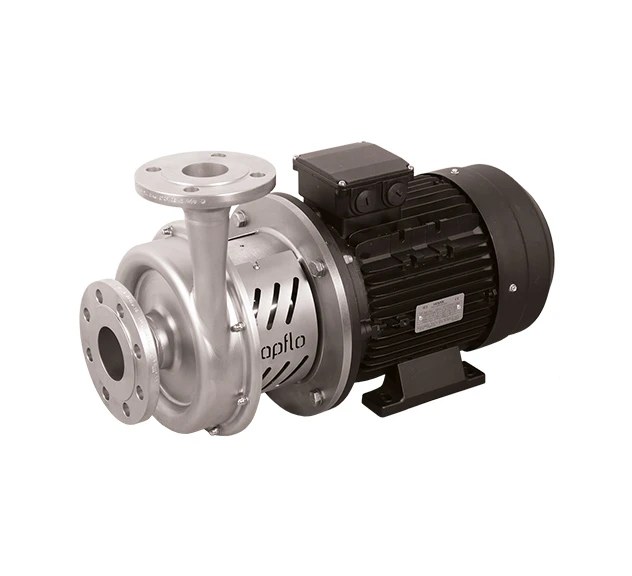
ATEX-Rated Centrifugal Pumps
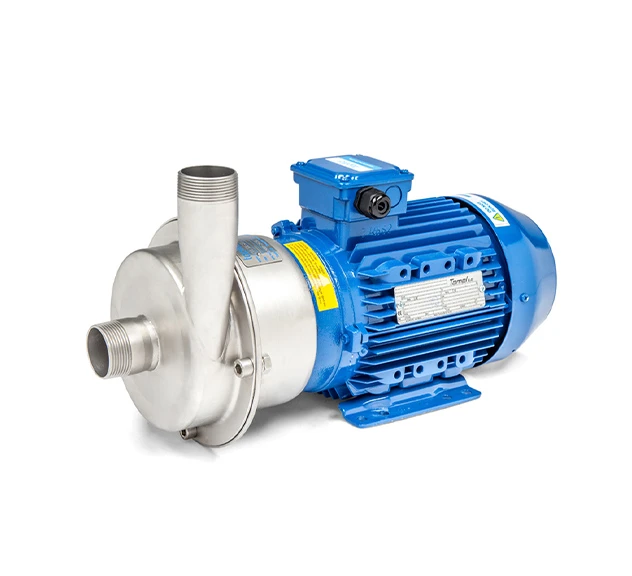
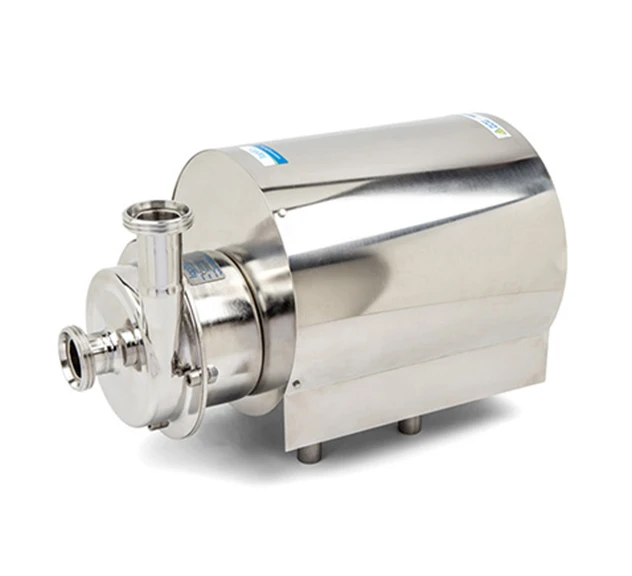
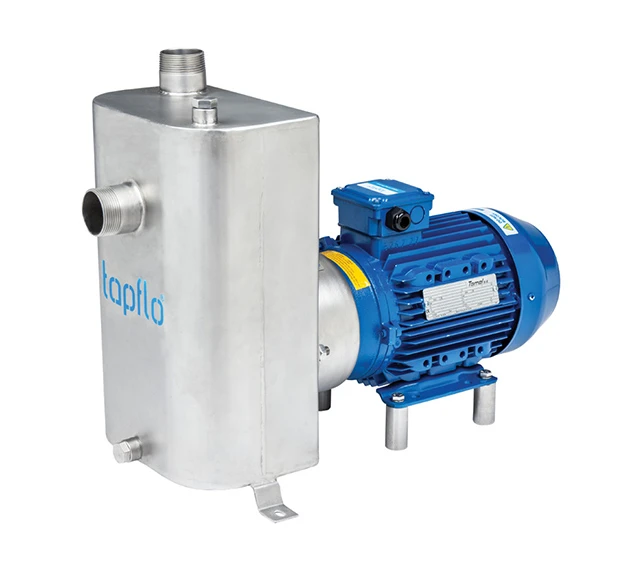
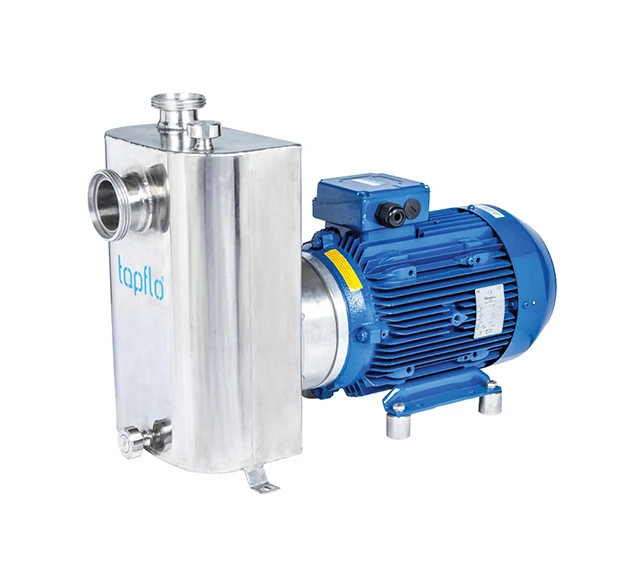
We have several ranges of Centrifugal Pumps that carry ATEX certification:
- Industrial Centrifugal Pump (CTI)
- Hygienic Centrifugal Pump (CTH)
- Industrial Self-Priming Centrifugal Pump (CTS-I)
- Hygienic Self-Priming Centrifugal Pump (CTS-H)
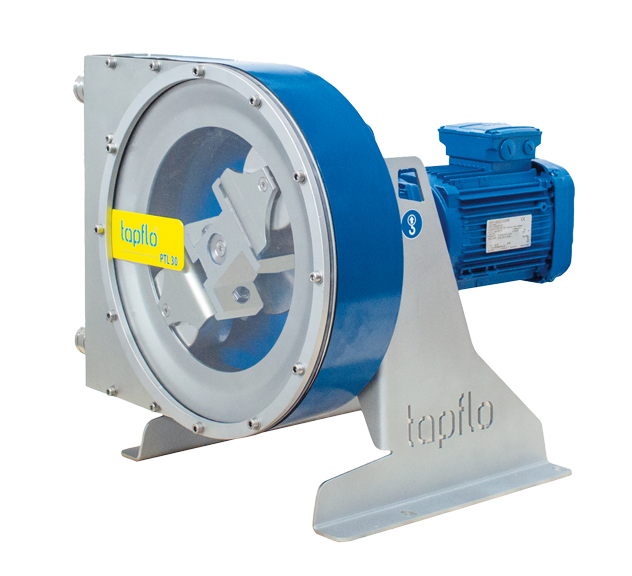
Additional ATEX-Rated Pumps
Verification of ATEX Certification
Proving your pump’s ATEX certification is crucial. Request the ATEX certificate from Tapflo’s Sales Team, ensuring the visible ATEX rating on the pump matches operating conditions. Additionally, all products, including our ATEX Pumps and Guardian System, have to have the ATEX rating visible on the pump. This allows users to see the conditions and protection level applicable to the product.
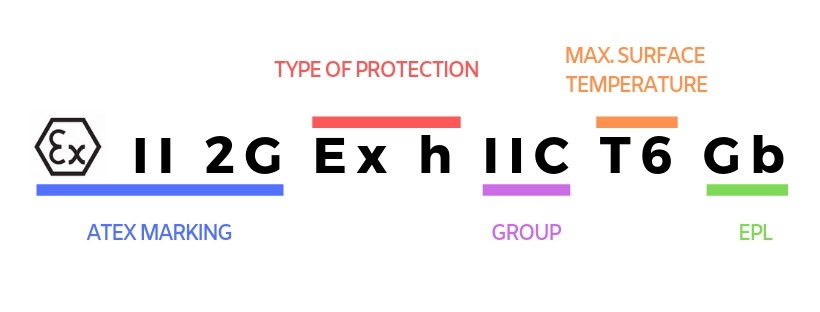 This visible protection level will also include operating conditions such as the ambient temperature or the medium surface temperature. The protection level will also state the conditions of the atmosphere, for example, whether the flammable material is gas or dust.
Tapflo offer ATEX rated industrial pumps across almost our entire range and we have a solution for any application you task us with!
If you’re looking for a reliable ATEX pump supplier, contact us today by messaging us on our live chat system or simply giving us a call on 02380 252 325
ATEX Diaphragm Pump Solution
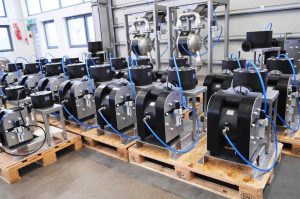
Tapflo UK worked closely with a large European Pharmaceutical Manufacturer to produce an ATEX pump solution for handling a range of process and service applications.
The finished pump systems included multiple ATEX Diaphragm Pumps fitted with dampeners, frames and integrated air treatment systems. To find out more about this ATEX pump project take a look at our case study.
Tapflo UK offers a comprehensive range of ATEX-certified industrial pumps, meeting the highest safety standards. Whether for the Pharmaceutical or Chemical industry as an example, or workplaces that may contain, or have activities that produce explosive or potentially explosive atmospheres, our pumps provide reliable solutions for diverse applications. Contact us today or call 02380 252 325 for your ATEX pump requirements.