lead forensics image

Drum & Container Pumps

Electric and pneumatic options, designed to handle a variety of liquids from low-viscosity to highly viscous, aggressive, and flammable substances.
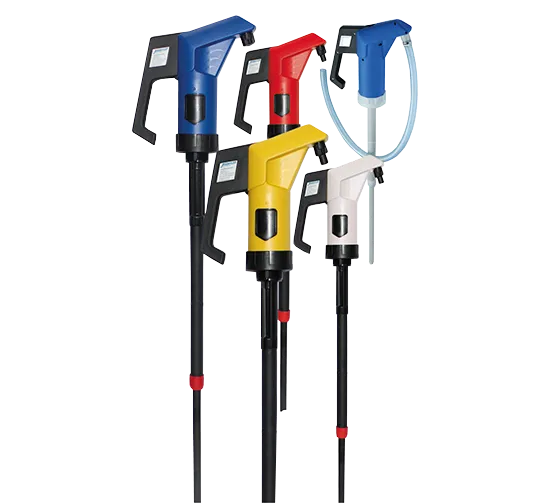

Tapflo Jessberger Drum Pumps
see more information
Tapflo Jessberger Drum Pumps

filter

Oops, we can't find your search results

Please try adjusting your filters or call us for assistance.
CALL US enquiries@tapflopumps.co.uk blue phone icon

02380 252 325

blue email icon

enquiries@tapflopumps.co.uk

Clear Search
If you have any further questions, our pump specialists will have the answer. Please don't hesitate to get in touch:
Tel: 
Email: 

Features & Advantages of Drum Pumps

  • Smooth, High-Performance – Effortless fluid transfer with flow rates of up to 200l/min in a compact pump
  • User-Friendly – Easy installation, safety features and overload protection with many models
  • Durable – Constructed from high-grade materials and robust impeller for continuous operation
  • Chemical Resistance – Ideal for chemical, fuels and mineral oil products with robust seals and corrosion resistant materials
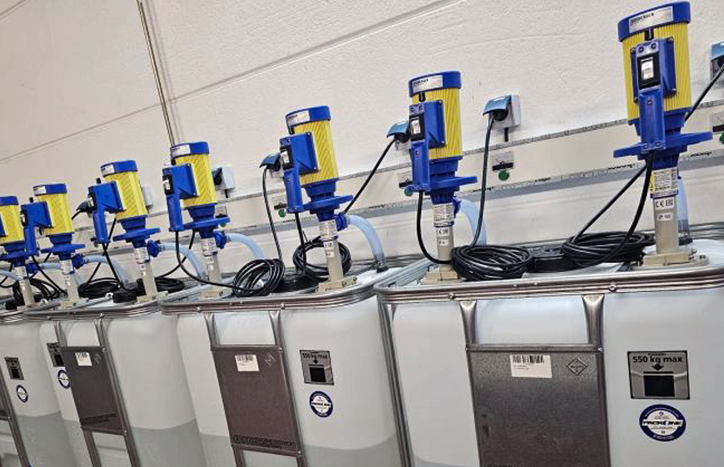
jessberger drum pumps situated on top of IBCs in a facility

Learn more about Drum Pumps

What is a Drum Pump?

What are the advantages of a Drum Pump?

What the common industries and applications of Drum Pumps?

Are Drum Pumps suitable for ATEX environments?

What materials do Drum Pumps use?

What to consider when selecting a Drum Pump

What maintenance is required with a Drum Pump?

What is a Drum Pump?

A Drum Pump is a type of Vertical Immersion pump designed for transferring liquids from drums or containers. They are available in electric, pneumatic and manual options and built to meet the needs of various industries, including chemicals, oils, and other industrial media.

What are the advantages of a Drum Pump?

Drum Pumps offer a compact and flexible solution for transferring a wide range of liquids. Benefits include fast and efficient fluid transfer, versatility across industries, customisable pump tube materials, and ease of use with both electric and pneumatic drive options. They are known for their high reliability and cost-effectiveness.

What the common industries and applications of Drum Pumps?

Drum Pumps are widely used across:


  • Chemical
  • Automotive
  • Pharmaceutical
  • Food & Beverage
  • Petrochemical industries


They are ideal for transferring both low-viscosity and medium-viscosity liquids such as acids, oils, fuels, solvents, and cleaning agents, as well as flammable and non-flammable media.

Are Drum Pumps suitable for ATEX environments?

Yes, most Drum Pumps are suitable for ATEX environments; however, make sure to check the product description.

What materials do Drum Pumps use?

Drum Pumps are made from several materials to suit different media:


  • Polypropylene: Ideal for acids, alkalis, and cleaning agents
  • PVDF: Suitable for highly aggressive chemicals like hydrochloric acid
  • Aluminium: Used for mineral oils and fuels up to 1,000 mPas
  • Stainless Steel (1.4571): Best for flammable liquids, foodstuffs, and applications requiring conductivity

What to consider when selecting a Drum Pump

When choosing a Drum Pump, you must consider a few factors such as:


  • Fluid Compatibility: Ensure the pump material is compatible with the media being pumped
  • Temperature Range: Select the appropriate material based on the fluid’s temperature (e.g., polypropylene for up to 50°C, PVDF for up to 90°C)
  • ATEX Considerations: When pumping flammable liquids, ensure the pump is compatible with ATEX guidance (Ex-Zone 0 or 1)
  • Accessories: Consider additional accessories such as hoses, nozzles, and flow meters to optimise efficiency and safety

What maintenance is required with a Drum Pump?

Drum Pumps require regular maintenance to ensure long-lasting performance. Key maintenance tasks include:


  • Checking the motor coupling, bearings, rotor, and pump tube components.
  • Checking wear parts such as the carbon or PTFE bearing, rotor, and shaft should be inspected periodically and replaced as needed.


Proper maintenance reduces downtime and extends the pump’s lifespan.