lead forensics image

CIP Systems Built to Your Specifications

Designed around your operational needs, our Clean in Place (CIP) systems automate internal equipment cleaning to deliver consistent hygiene, optimised efficiency, and full compliance.
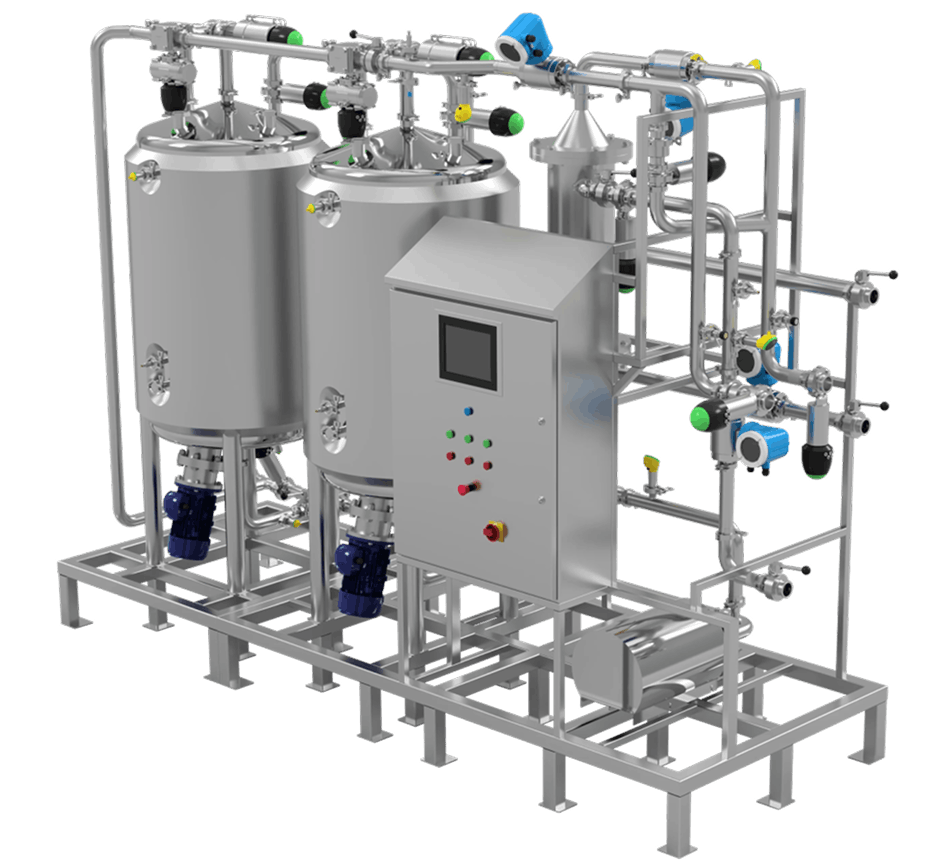

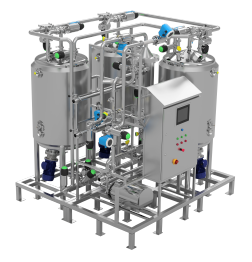
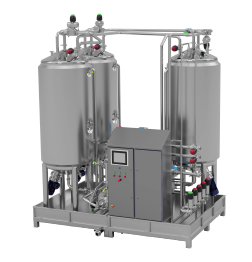
Tapflo Modular CIP System
download brochure
Tapflo Modular CIP System

Custom CIP Systems: Designed by Us. Built for You.

Clean in Place (CIP) involves the circulation of cleaning agents through tanks, pipes, and other equipment to remove residues and contaminants. This method offers several critical advantages:
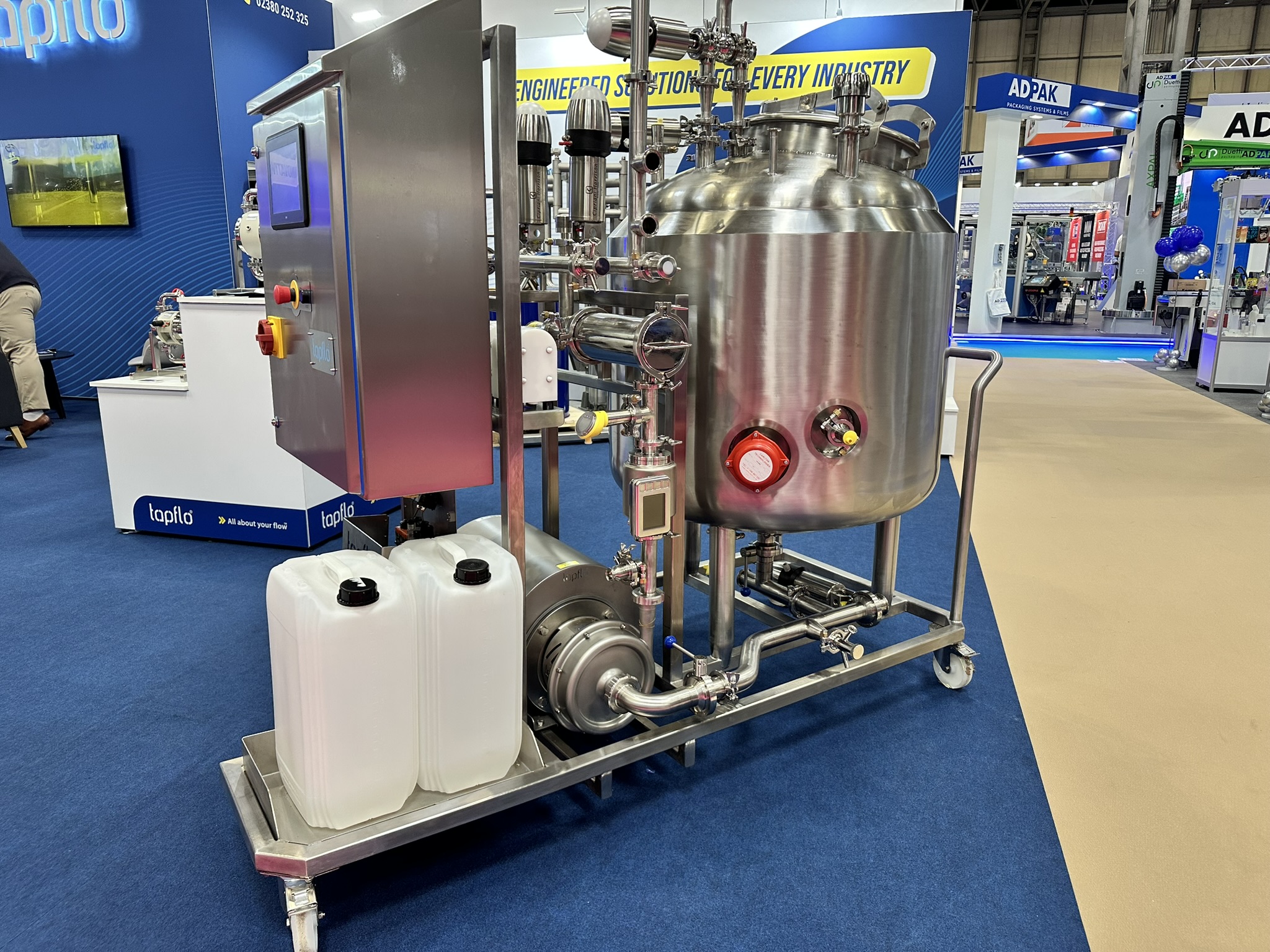
 

  • Enhanced Hygiene: Stainless Steel build & dedicated circuits and tank separation. Prevents cross-contamination and ensures compliance
  • Operational Efficiency: Automates cleaning, reducing downtime and labour
  • Safety and Compliance: Minimises chemical exposure for workers and ensures adherence to regulatory requirements such as FDA, HACCP, and cGMP
  • UK Manufactured: Our CIP systems are designed and manufactured in the UK by our expert team at Tapflo HQ.
Mobile CIP System

Typical Applications

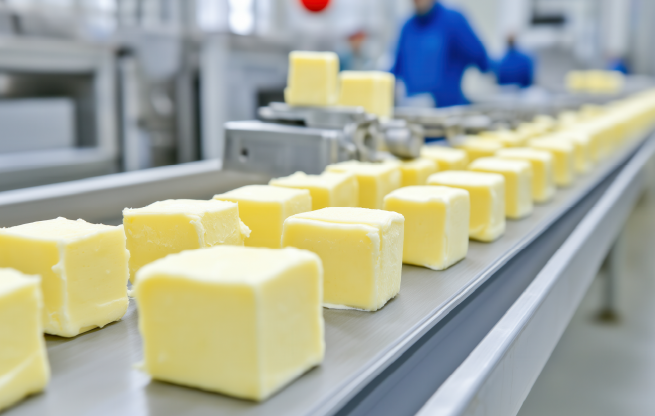
Our CIP Systems can be used for a variety of applications and sectors, including:


  • Food & beverage
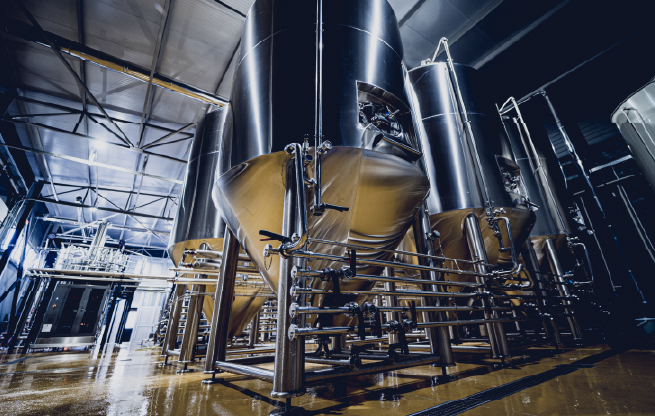
  • Breweries
  • Healthcare
  • Cosmetics


Don’t see your application? Get in touch to discuss your requirements and we can spec the correct system for you.
The 7 Steps of a Typical CIP Program

01

Pre-Rinse  |  with recovered water

01

Temp  |  Ambient °C

Duration  |  5 – 10 min

02

Alkali Clean  |  2% Caustic Solution

02

Temp  |  70–80°C

Duration  |  10–20 min

03

Inter-Rinse  |  with Water

03

Temp  |  Ambient °C

Duration  |  5 – 20 min

04

Acid Clean  |  1% Phosphoric Acid

04

Temp  |  50–70°C

Duration  |  2-10 min

05

Inter-Rinse  |  with Water

05

Temp  |  Ambient °C

Duration  |  5–20 min

06

Final Rinse  |  Quality (Purified) Water

06

Temp  |  Ambient °C

Duration  |  5–20 min

07

Air Purge  |  Sterile Air

07

Temp  |  20–30°C

Duration  |  3–15 min

Key Features of CIP Systems

Automation

Reduces human intervention and increases consistency

Efficiency

Options for reusing water and chemicals for lower running costs

Data Logging

Traceability for validation and audits

Compliance

Aligns with FDA, HACCP and cGMP standards

Unsure if a CIP System is right for you? Let us help.

What is a CIP System?

How do CIP Systems work?

What industries commonly use CIP Systems?

What regulations do CIP systems comply with?

Factors to consider when selecting a CIP System

Are CIP Systems suitable for cleaning food grade equipment?

Types of CIP Systems

What is the role of tanks in CIP Systems?

How can I optimise my CIP System for sustainability?

What are the benefits of CIP Systems for breweries?

What makes CIP Systems essential in the cosmetics industry?

How do CIP Systems support Healthcare/Pharmaceutical applications?

View more

What is a CIP System?

CIP (Clean in Place) Systems are automated cleaning solutions that remove residues and contaminants from internal surfaces of process equipment without requiring dismantling. These systems are critical for ensuring:


  • Hygiene: Prevent cross-contamination and maintain compliance with industry standards (e.g., FDA, HACCP, cGMP)
  • Operational Efficiency: Automate cleaning to reduce downtime and labour costs
  • Safety: Minimise worker exposure to cleaning agents while ensuring thorough cleaning

How do CIP Systems work?

CIP Systems circulate cleaning agents (water, alkaline or acidic solutions) through pipes, tanks, and equipment. A typical CIP programme consists of pre-rinse, cleaning cycles (alkali/acid), intermediate rinses, a final rinse, and an air purge to ensure all residues are removed.

What industries commonly use CIP Systems?

Industries that commonly use CIP Systems are:


  • Food & Beverage
  • Breweries
  • Health Care
  • Cosmetics
  • Pharmaceutical

What regulations do CIP systems comply with?

CIP Systems must comply with industry-specific regulations, including:


  • FDA and cGMP for Pharmaceuticals and Cosmetics
  • HACCP standards for Food-Grade processes
  • Local Water and Waste Management laws for sustainability

Factors to consider when selecting a CIP System

  • Flow Rate: Turbulent flow (≥1.5 m/s) is necessary for effective cleaning
  • Temperature: Cleaning efficiency improves significantly with elevated temperatures
  • Chemical Concentration: Tailored cleaning agents address specific residue types
  • System Design: Factors like circuit balance, tank sizing, and dead leg prevention are crucial for optimal performance
  • Scale: Re-Use Systems for large operations; mobile units for flexibility
  • Residue Type: Oily vs. sugary residues require tailored chemicals
  • Budget: Evaluate upfront costs vs. long-term savings
  • Environmental Impact: Align systems with sustainability goals

Are CIP Systems suitable for cleaning food grade equipment?

Yes, CIP Systems excel in food-grade industries by addressing various residue types:

  • Sugary residues: Cleaned with acidic solutions
  • Oily residues: Cleaned with alkaline detergents
  • Customisation options ensure optimal cleaning of mixers, transfer lines, and storage tanks

Types of CIP Systems

System Type Advantages Disadvantages Best For
Boil-Out Systems Minimal specialised equipment, effective for small setups High water and detergent usage, longer cycles Artisanal breweries, complex geometries
Total Loss Systems Simple design, ideal for infrequent cleaning High operational costs, environmental impact Cosmetics labs, allergen-free food lines
Single-Use Systems Flexible and low cross-contamination risk Higher costs and limited scalability Medium-scale breweries, dairy equipment
Re-Use Systems Cost-efficient and sustainable for large setups High upfront investment, skilled operation needed Large food-grade facilities, healthcare
Mobile CIP Units Portable and adaptable for small operations Limited capacity, less consistent heating Boutique breweries, cosmetics R&D labs

What is the role of tanks in CIP Systems?

CIP tanks store cleaning agents and rinse water, playing a pivotal role in system efficiency. Key considerations include:

  • Capacity: Sufficient to handle cleaning volume and frequency
  • Design: Multi-compartment tanks for re-use systems
  • Energy Efficiency: Insulated tanks maintain temperature to reduce energy costs

How can I optimise my CIP System for sustainability?

  • Opt for Re-Use systems to reduce water and chemical waste
  • Use energy efficient heating elements or insulated tanks to conserve energy
  • Implement advanced monitoring to avoid overuse of cleaning agents

What are the benefits of CIP Systems for breweries?

  • Cleaning of fermenters, brite tanks, and pipelines ensures consistent beer quality
  • Mobile or Re-Use Systems can clean medium to large-scale brewing setups efficiently
  • Hot Water Flushes, or Boil-Out systems are perfect for residues such as hops and sugars

What makes CIP Systems essential in the cosmetics industry?

Cosmetics production involves diverse formulations that can lead to cross-contamination. CIP Systems ensure:

  • Tanks and piping are thoroughly cleaned between batches
  • Sterility and cleanliness, critical for high-purity products
  • Adaptability for small or large-scale production with portable or fixed systems

How do CIP Systems support Healthcare/Pharmaceutical applications?

  • Maintain sterility in equipment handling creams, lotions, or injectable products
  • Minimise bioburden and endotoxins to meet stringent regulatory requirements
  • Single-Use systems or Re-Use setups ensure compliance with cGMP
View more