lead forensics image

Peristaltic Pumps

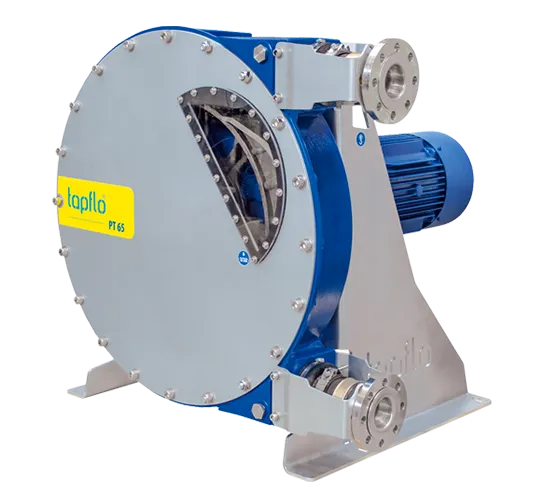
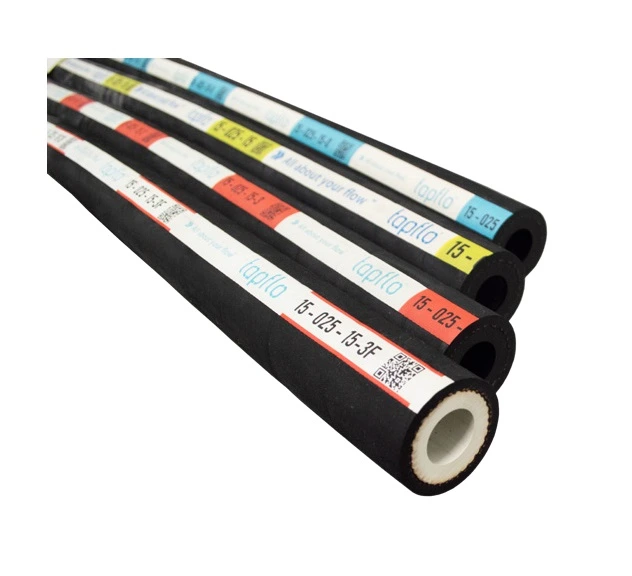
Self-priming up to 9 meters and designed without seals for enhanced hygiene, capable of handling aggressive, abrasive, and solid-laden fluids. Supplied with hoses 30% stronger than others on the market.

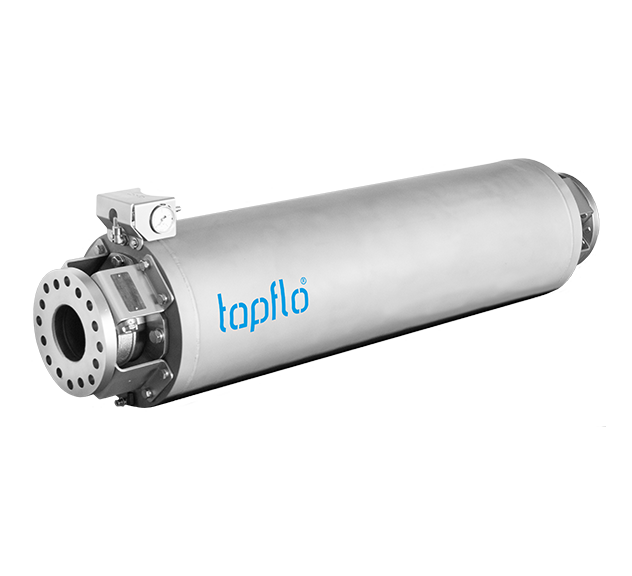
a high pressure peristaltic tapflo pump
see more information
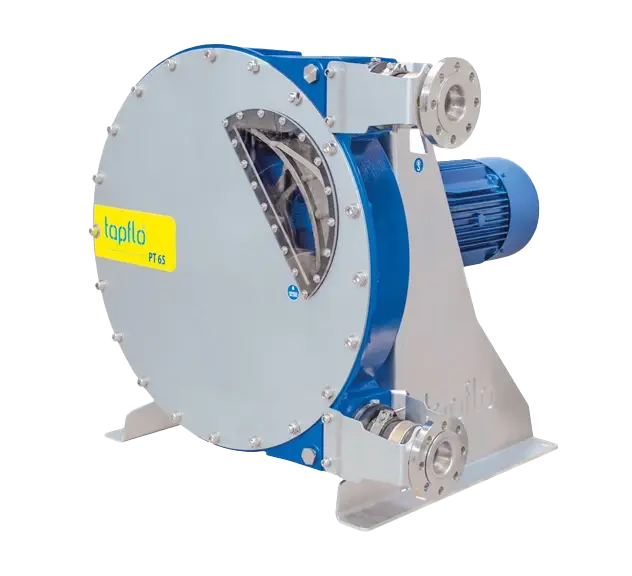
a high pressure peristaltic tapflo pump

filter

Results 1-4 of 4
Results 1-4 of 4

Features & Advantages of Peristaltic Pumps

  • High Versatility – Capable of handling aggressive, abrasive and viscous media at flow rates that suit your application
  • Hygienic – Designed without seals and with hygienic, robust materials ensuring a safe operation for pharmaceutical and food products
  • Self Priming – Efficient self-priming with superior suction capacity
  • ATEX available – Models available for explosive fluids or environments
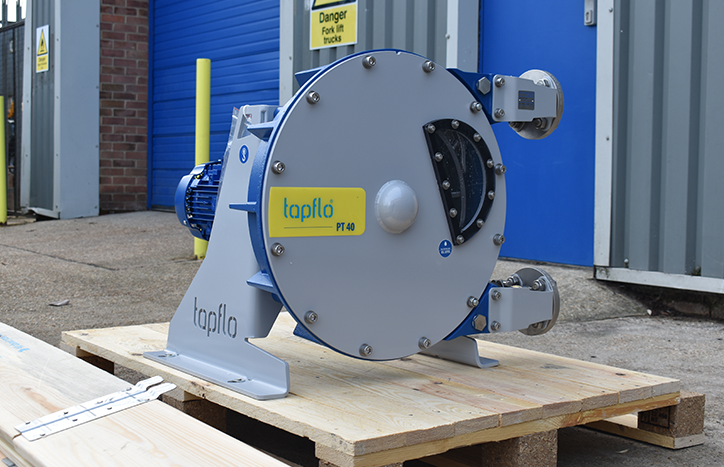
a peristaltic pump placed on a palette outside a warehouse

Learn more about Peristaltic Pumps

What is a Peristaltic Pump?

What are the advantages of Peristaltic Pumps?

What are common industries and applications of Peristaltic pumps?

Are Peristaltic Pumps self-priming?

Can Peristaltic Pumps run dry?

What to consider when selecting a Peristaltic Pump

Which hose materials are available for Peristaltic Pumps?

Are Peristaltic pumps suitable for hygienic applications?

What’s the difference between a Peristaltic Pump and a Hose Pump?

What maintenance is required to keep Peristaltic Pumps running?

View more

What is a Peristaltic Pump?

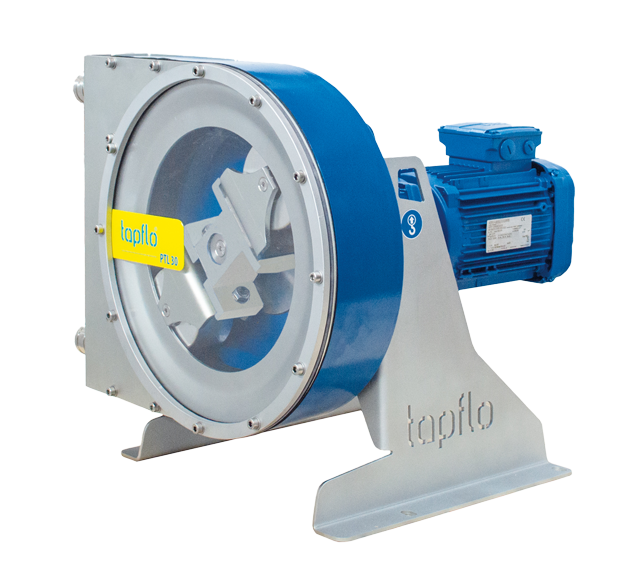
Peristaltic Pumps, also known as Hose Pumps, are a type of Positive Displacement Pump that uses a hose to transfer the fluid, meaning no other part of the pump is in contact with the media. They are highly versatile with both high and low-pressure options and the ability to self-prime up to 9m.

What are the advantages of Peristaltic Pumps?

Peristaltic Pumps are highly versatile and can be easily modified to suit your requirements. Some of the key features of Peristaltic Pumps are:


  • To reduce risk of contamination, the hose is the only part of the pump in contact with the fluid being pumped
  • Our hoses are made from durable materials lasting 30% longer than others on the market
  • Reversible flow
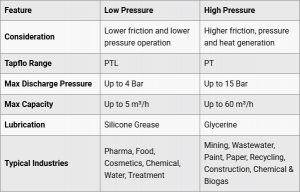
  • Low and high-pressure options up to 15 Bar
  • Capable of handling aggressive and abrasive fluids, as well as those containing gases and solids
  • Sealless design
  • Self-priming options available
  • ATEX available for explosive fluids or environments
  • Easy installation and maintenance
  • CIP & SIP executions available

What are common industries and applications of Peristaltic pumps?

Peristaltic Pumps can be used for a wide range of applications, specifically those containing solids as the hose maintains shape, protecting the media within the pump.


  • Wastewater Treatment
  • Anaerobic Digestion
  • Mineral Processing
  • Agricultural
  • Surface Conditioning
  • Chemical Manufacturing
  • Food & Beverage
  • Pharmaceutical
  • Cosmetics
  • Heavy-Duty Industrial Applications
  • Paint & Print
  • Pulp & Paper
  • Ceramics

Are Peristaltic Pumps self-priming?

Yes, Peristaltic Pumps have superior self-priming capabilities. Self-priming means they can eliminate air from the pump and suction line, creating a vacuum that draws in fluid.

Can Peristaltic Pumps run dry?

Yes, Peristaltic Pumps are safe to run dry which means they can operate without the presence of additional liquid through the pump.

What to consider when selecting a Peristaltic Pump

To choose the appropriate Peristaltic Pump for your application, ask yourself the following questions:


  • What media will be pumped? Consider the chemical composition of the media you will be pumping – is it chemically neutral or corrosive, shear sensitive etc.
  • What is the viscosity of the media you intend to pump? Consider viscosity limitations, shear sensitivity etc.
  • Do you need to pump fluids containing solids?
  • Is your environment or fluid explosive?
  • Do you require self-priming?
  • Do you require CIP/SIP?
  • What type of hose do you require?
  • Will your pump be stationary, or do you need it to be portable? If you require portability, Peristaltic Pumps can be fitted to trolleys of any size to suit your needs.
  • Will you require additional accessories for your pump? Pulsation dampeners to reduce pulsation and vibration within your piping system, and assemblies and fittings for your hoses are available for Peristaltic Pumps.

Which hose materials are available for Peristaltic Pumps?

  • NR – Natural Rubber, our most flexible hose, offering high abrasion resistance
  • NR Food – Natural Rubber for the food and beverage industry with FDA approval
  • NBR – Nitrile Buna, ideal for oils, greases, and polymers
  • NBR Food – Nitrile Buna for the food and beverage industry with FDA approval
  • EPDM – high chemical resistance
  • Hypalon/Synthetic Rubber – Chlorosulfonated Polyethylene – high chemical resistance to fluids such as sodium, hypochlorite, chromic, nitric, sulfuric acids
  • Viton/FKM – high chemical & temperature resistance to solvents, lubricants, petrol and fuels


Some of our materials offer an ATEX option on request for explosive applications and environment.

Are Peristaltic pumps suitable for hygienic applications?

Yes, we suggest choosing the CIP pump as this can be easily cleaned and sanitised and is suitable for the food & beverage, pharmaceutical and cosmetics industries. Multiple hoses made from various materials are available, including FDA-approved hoses for hygienic applications.

What’s the difference between a Peristaltic Pump and a Hose Pump?

A hose pump is another term for a Peristaltic Pump. Peristaltic Pumps contain a hose in a shoe design, which is compressed, creating a suction and discharge of fluids.

What maintenance is required to keep Peristaltic Pumps running?

  • Regularly check for wear and tear on the hose
  • Ensure proper tension of the hose, it must be fitted correctly
  • Lubricate the shoes and bearings as needed


Depending on the size of your pump and the fluid you are pumping, a more detailed maintenance schedule may be required.

View more