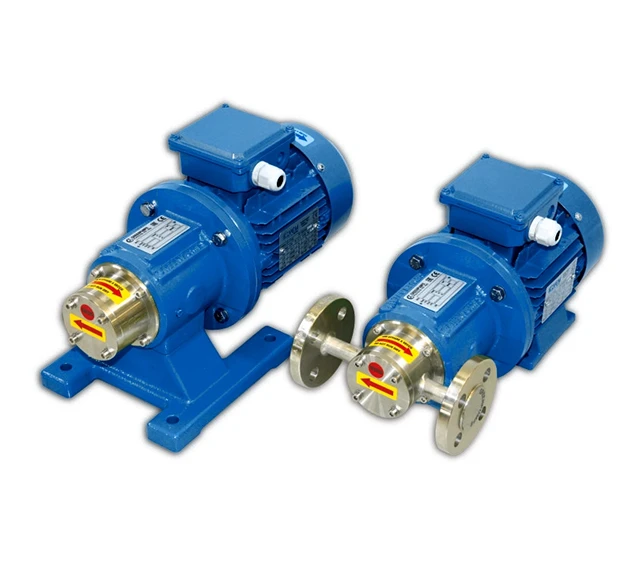
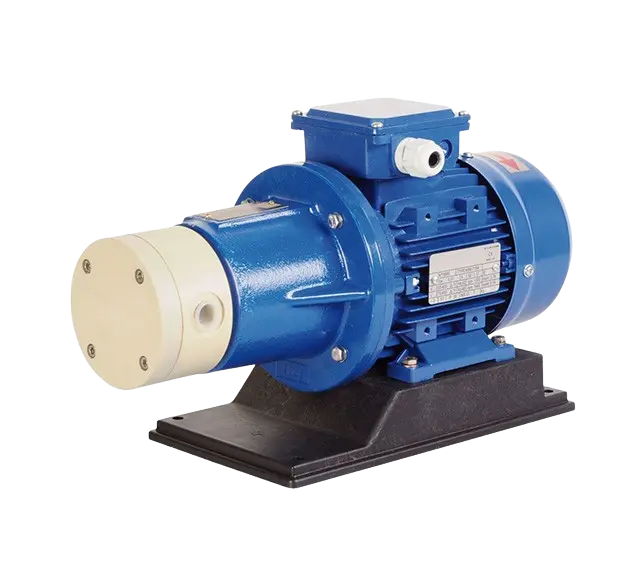
lead forensics image

Magnetic Drive Pumps

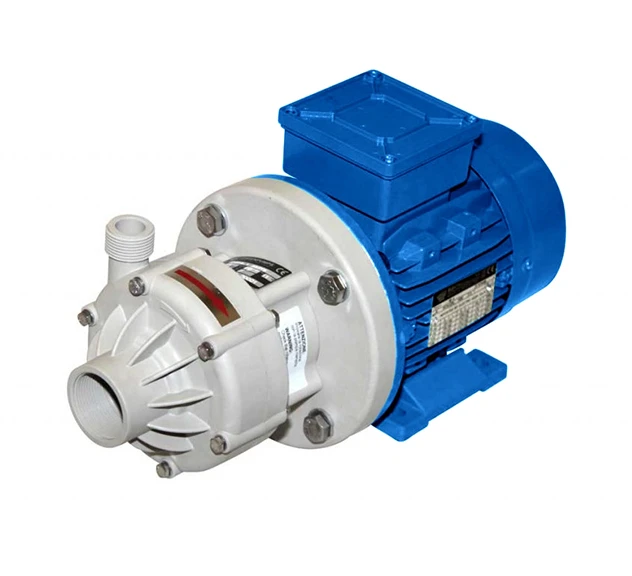
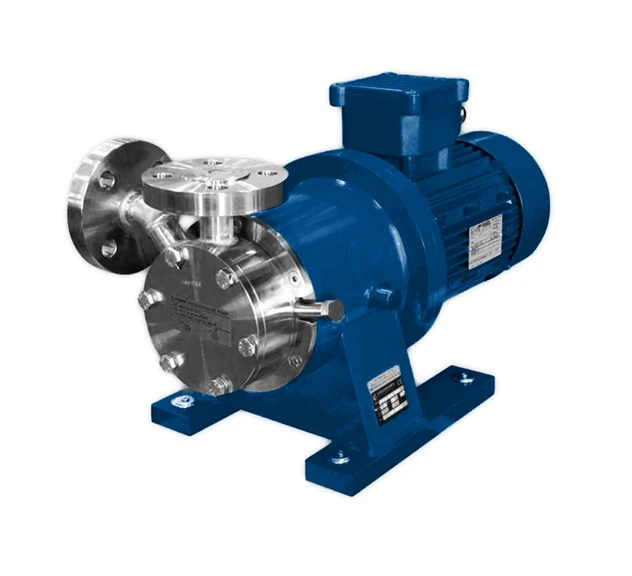
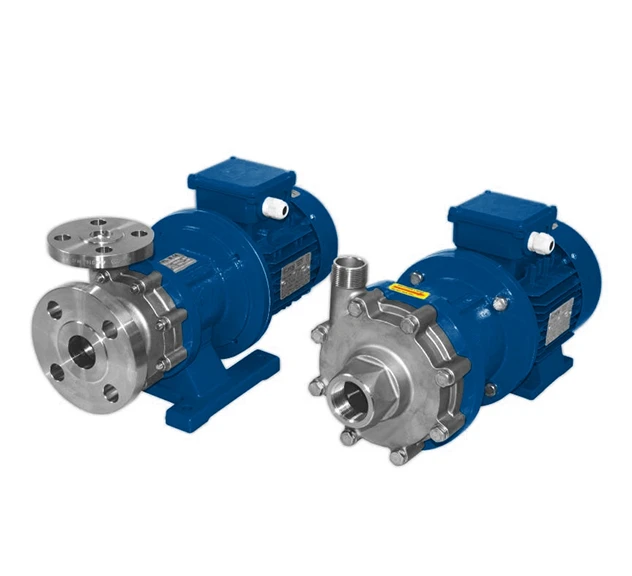
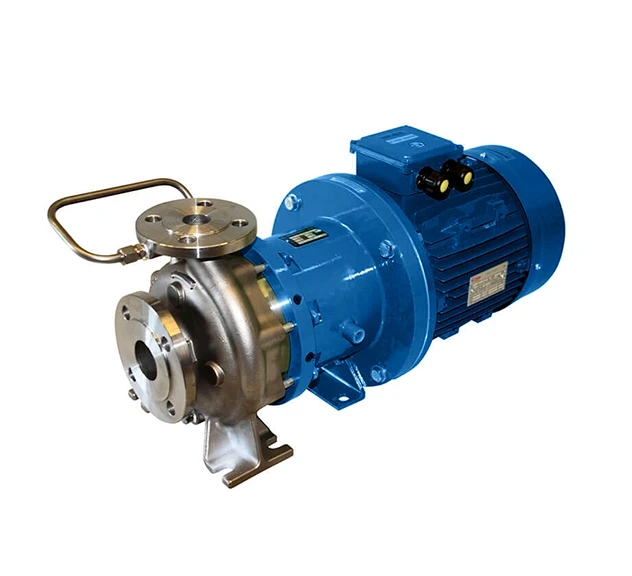
Available as Vane, Centrifugal, or Turbine Mag Drive Pumps, they offer superior corrosion resistance for Industrial & Hygienic sectors.
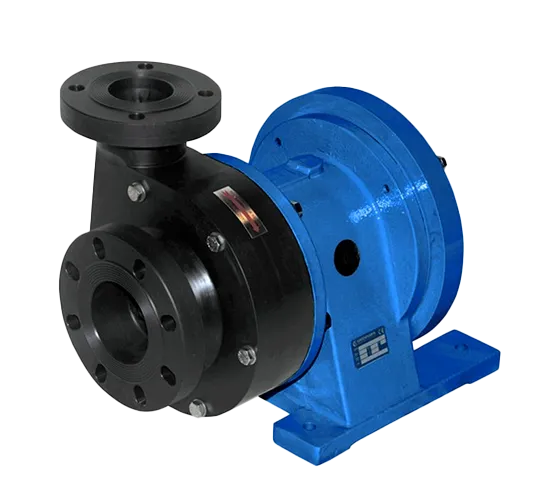

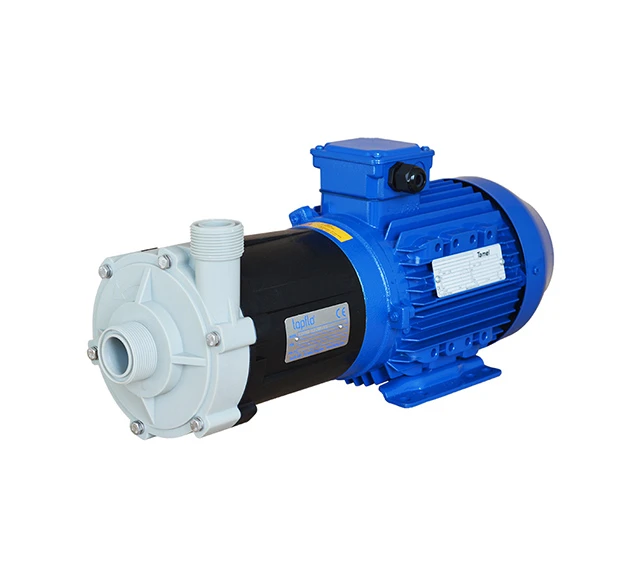
a mag drive tapflo pump
see more information
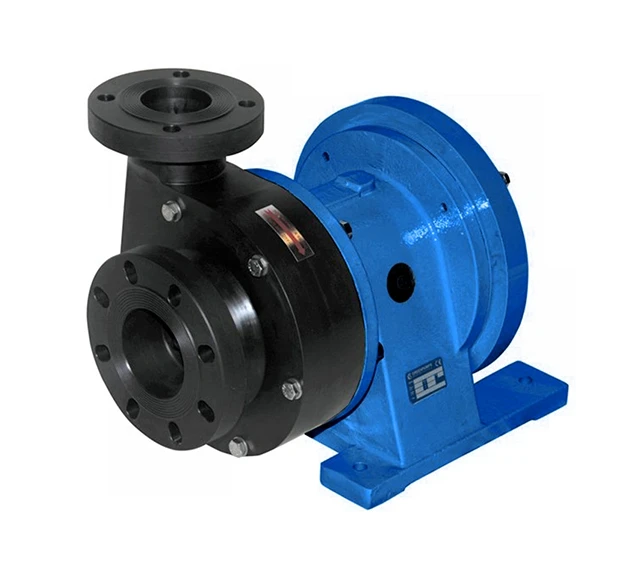
a mag drive tapflo pump

filter

Results 1-9 of 9
Results 1-9 of 9

Features & Advantages of Magnetic Drive Pumps

  • Corrosion Resistant – Offer superior corrosion resistance, ideal for industrial and hygienic sectors
  • Safe – No seals and hermetic design for safe, leak-free transfer of chemically corrosive media
  • Reliable – Constructed from robust materials and a reliable design
  • Easy to maintain – Has little working parts so they are easy to clean and maintain, making for a cost-effective solution
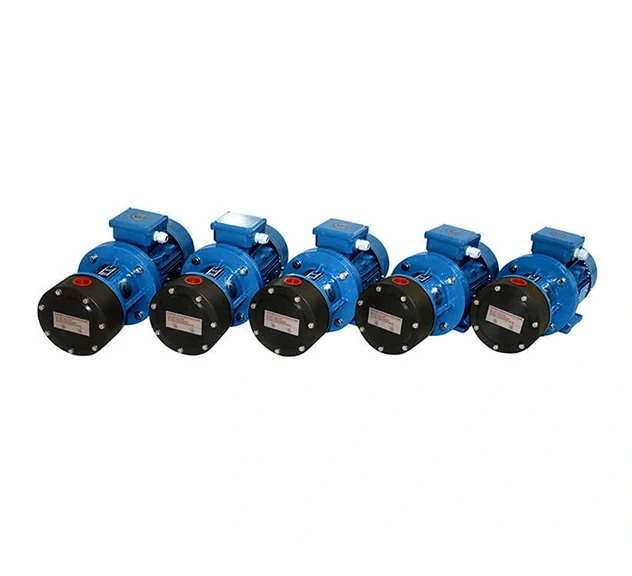
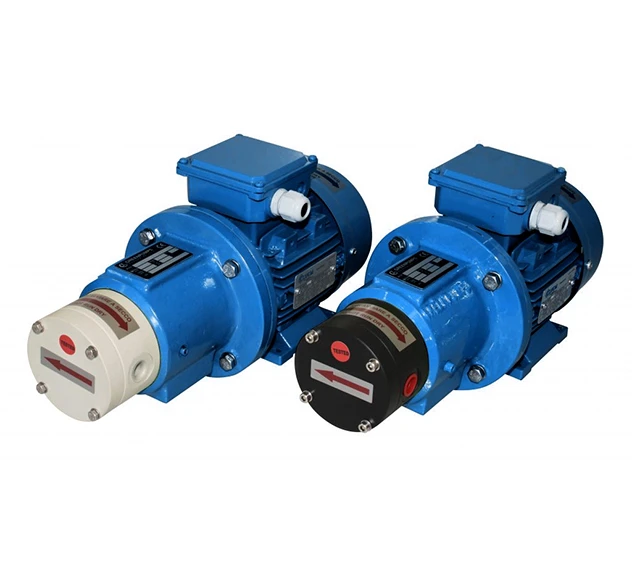
Magnetically Driven Rotary Vane Pump Plastic

Learn more about Magnetic Drive Pumps

What is a Magnetic Drive Pump?

What are the advantages of Magnetic Drive Pumps?

What are the common applications and industries of Magnetic Drive Pumps?

Are Magnetic Drive Pumps are self-priming?

Are Magnetic Drive pumps ATEX compliant?

What to consider when selecting a Magnetic Drive Pump

What maintenance will be required to keep your Mag Drive Pump running?

What is a Magnetic Drive Pump?

Magnetic Drive Pumps, commonly referred to as Mag Drive Pumps, are Centrifugal Pumps designed to transmit power from the motor to the impeller using a magnetic coupling. These pumps are available as Vane, Centrifugal, or Turbine Mag Drive Pumps, and offer superior corrosion resistance in industrial and hygienic settings.

What are the advantages of Magnetic Drive Pumps?

All Tapflo Magnetic Drive Pumps are sealless in design and feature an innovative impeller magnet assembly, designed with robust bushings that eliminate the need for fragile, crack-prone shafts. Some key benefits of using Mag Drive Pumps are:


  • Specifically designed for safe and efficient transfer of chemically corrosive materials
  • Hermetic system
  • No seals in design
  • Features magnetic couplings enhanced by a unique magnet cage system
  • Material options available to enhance temperature handling capabilities
  • Dry run protection available
  • Direct starting motor
  • Flanges available on request
  • Reliable design for safe handling of hazardous fluids
  • ATEX options

What are the common applications and industries of Magnetic Drive Pumps?

The common applications and industries of Mag Drive Pumps include:


  • Chemical
  • Surface Treatment
  • Mechanical
  • Paint
  • Wastewater Treatment
  • Pharmaceutical
  • Oil & Gas
  • Textile

Are Magnetic Drive Pumps are self-priming?

Yes, most Magnetic Drive pumps are self-priming or have self-priming variants. Self-priming means that the pump can create its own suction without the need for additional liquid or air.

Are Magnetic Drive pumps ATEX compliant?

Yes, Magnetic Drive pumps are ATEX-rated, meaning they can operate in hazardous conditions.

What to consider when selecting a Magnetic Drive Pump

To choose the appropriate Magnetic Drive Pump for your application, ask yourself the following questions:


  • What media will be pumped? Consider the chemical composition of the media you will be pumping – is it chemically neutral or corrosive, shear sensitive etc.
  • What is the viscosity of the media you intend to pump? Consider viscosity limitations, shear sensitivity etc.
  • Do you need to pump fluids containing solids?
  • Is your environment or fluid explosive?
  • Do you require CIP/SIP?
  • Will your pump be stationary, or do you need it to be portable?

What maintenance will be required to keep your Mag Drive Pump running?

To keep your Magnetic Drive Pump in full working order, maintenance is required which includes:


  • Conduct routine visual inspections for signs of wear, leaks, and corrosion to the pump casing and impellers
  • Ensure the pump is operated within its temperature limits
  • Ensure the alignment of the pump and motor shaft is correct to prevent wear and excess vibrations
  • Ensure accurate clearance between the impeller and casing
  • Maintain the integrity of the magnetic coupling
  • Ensure sufficient lubrication of bearings and other moving components
  • Inspect electrical connections and wiring for any signs of damage
  • Monitor flows and pressures to ensure your pump is operating at optimal levels
  • Listen for excessive noise as this could indicate a mechanical problem


Depending on the size of your pump and the fluid you are pumping, a more detailed maintenance schedule may be required.